Practice area Personal Injury
Utility Injuries & Property Damage
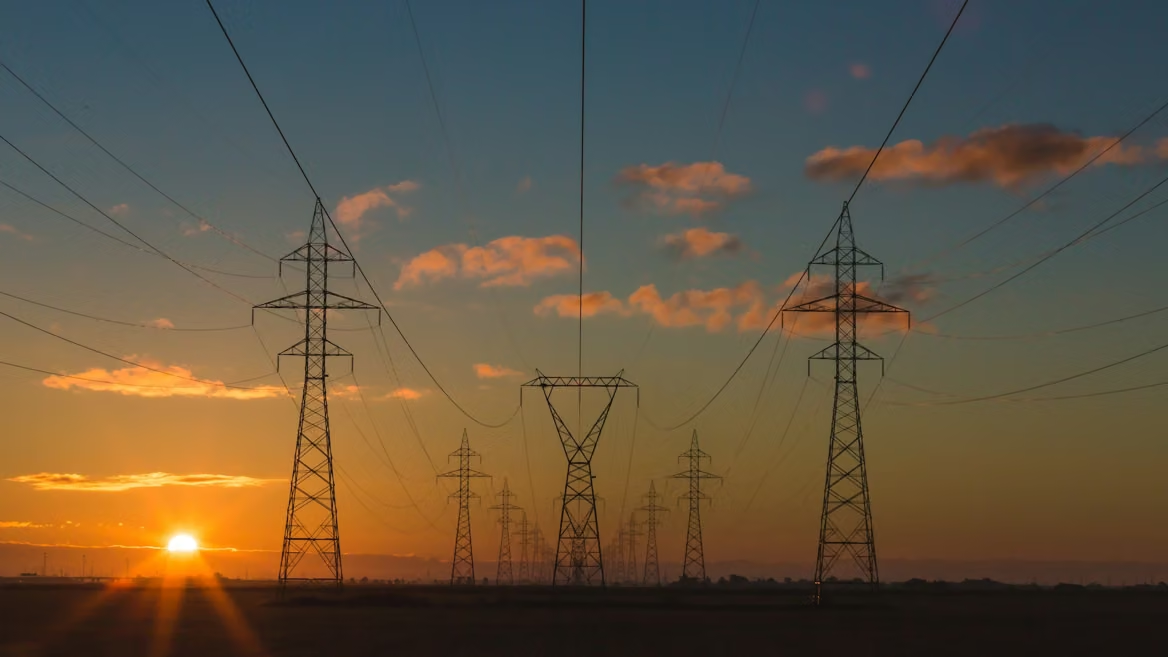
Hurt, sickened or left with a damaged home after a utility failure? Tell us your story.
Water, power and gas systems run through every neighborhood. When one fails, the harm can range from an illness to a destroyed home. CBW Law reviews what happened, who owned and maintained the system, and which deadlines apply. Tell Us Your Story. Contacting us does not create an attorney-client relationship.
Topics
Utility injury and property damage topics
Each page explains the hazard, the warning signs, who may be responsible, the records to keep and the deadlines that can apply.
-
Contaminated Public Water Supply
PFAS, lead, arsenic, chemicals and germs in public drinking water, advisories, testing records and when exposure may warrant a legal review.
-
Downed Live Wire & Electrocution Injuries
Fallen power lines, energized ground and equipment, electrical burns, falls and fatal electrocutions, and who may be responsible.
-
Gas Line Explosions & Leaks
Natural gas and propane leaks, fires and explosions, the difference between utility and customer piping, and the records that show what went wrong.
-
Utility-Caused Wildfires
Wildfires linked to power lines and electrical equipment, how cause is determined, losses, insurance and the state rules that shape claims.
-
Water Main Breaks & Flooding
Flooding, erosion and structural damage from broken water mains, how breaks differ from sewer and storm flooding, insurance and notice rules.
Utility systems are built to run quietly in the background. When a water supply is contaminated, a power line comes down, a gas line leaks, electrical equipment sparks a fire or a main bursts, the effects can reach many households at once. A failure does not, by itself, mean anyone was negligent. A utility injury lawyer looks at the system's ownership, its maintenance history and what was known before the harm, and checks the notice rules that often apply when a government owns the system.
Utility hazards this section covers
- Contaminated Public Water Supply: PFAS, lead, arsenic, chemicals and germs in tap water
- Downed Live Wire & Electrocution Injuries: fallen lines, energized equipment and electrical burns
- Gas Line Explosions & Leaks: natural gas and propane leaks, fires and explosions
- Utility-Caused Wildfires: fires linked to power lines and electrical equipment
- Water Main Breaks & Flooding: burst mains, erosion and flooded property
Safety comes before evidence
Never put yourself at risk to document a hazard for a utility injury lawsuit. Government safety agencies give clear first steps:
- Downed power line: never touch it or anything touching it, and report it to the power company2.
- Gas smell: leave on foot, avoid anything that could spark, and call 911 from a safe place3.
- Water advisory: follow the specific instructions, because boiling helps with germs but not every contaminant4.
- Wildfire: follow evacuation orders, and return only when officials allow.
Who owns the system matters
Utilities are not all alike. A public water system may be owned by a government or a private company1. Electricity may come from an investor-owned utility, a cooperative or a city department. Gas operators may not maintain the buried piping on the customer's side of the meter, and federal rules require them to tell customers when they do not13. Ownership shapes which rules apply, who may be responsible and how quickly a claim must be started.
A utility failure raises questions. The answers come from records: who owned the system, what they knew and what they did about it.
Who may be responsible in a utility injury claim
- Water, power and gas utilities
- Cities, districts and public authorities
- Contractors who dug, built or repaired
- Tree-trimming and line crews
- Industrial polluters
- Landlords and property managers
- Equipment and appliance makers
Many systems are aging. More than 2 million miles of drinking water pipe run under U.S. communities, and much of it is at or near the end of its design life6. Age alone does not establish fault, but inspection records, earlier complaints and repair delays can.
Injuries and losses these claims can involve
- Burns, electrical injuries and smoke inhalation
- Illness linked to contaminated water
- Fatal injuries and wrongful death
- Destroyed or damaged homes and belongings
- Displacement and temporary housing costs
- Business interruption and lost income
Many of these overlap with our other injury pages, including Severe Burn Injuries and premises liability.
Investigations can take time
Fire departments, state regulators, federal agencies and the utilities themselves may all investigate a serious event. Wildfire investigators follow a systematic origin-and-cause process5, and reports can take many months. A suspected cause is not the same as an official finding, and an official finding is not the same as a court judgment.
Insurance and a legal claim are separate
A homeowners policy usually includes property damage, additional living expenses, liability and medical payments coverage, but flood is its most important exclusion7. An insurance payment does not necessarily end your rights against a responsible party, and insurers often seek repayment from that party themselves.
Notice rules and filing deadlines for utility claims
There is no single national deadline. When a government owns the system, many states require a formal notice of claim within months: 90 days in New York9 and six months in California8 and Texas10. Claims against a federal agency must be presented within two years11. Each topic page explains the deadlines in more detail, and a utility injury attorney can check the rules for your state before a deadline passes.
Records that help every utility claim
Records and evidence to keep
From the utility
- Bills and account numbers
- Notices, advisories and outage messages
- Service tickets and complaint numbers
Your losses
- Medical records and bills
- Photos taken from a safe place
- Repair estimates and receipts
- An inventory of damaged property
Timeline
- Dates and times of events
- Names of witnesses and neighbors
- Insurance claim letters
What happens after you contact CBW Law
How a utility claim review works
-
You tell us what happened
Share the hazard, the location, the date and how you were affected.
-
We identify the system owner
We look at who owned and maintained the system and whether notice rules apply.
-
We review the records
With your permission, we gather reports, utility records and medical or repair documents.
-
We explain what we see
We tell you plainly whether we think a claim may be possible.
Plain English
Medical, Health & Insurance
Utility claims bring together medical, technical and insurance terms. Here are a few.
Utility terms
Health terms
- Electrical injury
- Damage to skin or internal organs from contact with electric current.
- Boil water advisory
- An instruction to boil tap water because germs may be present4.
Claim and insurance terms
Questions
Frequently asked utility injury questions
Short answers to questions people ask after a utility failure.
Can I sue a utility company?
Sometimes. A utility injury lawsuit generally requires evidence that the utility, or someone else, failed to meet a legal duty and that the failure caused your harm. Special rules often apply when a government owns the utility.
Is a claim against a city utility different from one against a private company?
Usually. Government bodies often require a notice of claim within months, such as 90 days in New York9, and may have immunity rules or damage limits.
What does a utility injury lawyer look at first?
Who owned the system, what records show about maintenance and prior problems, and which deadlines apply. A utility injury lawyer also reviews your medical and property records.
Does my insurance claim affect a lawsuit against the utility?
They are separate. Insurance may pay part of your loss, and your insurer may pursue the responsible party. A claim may address losses insurance did not cover.
What if many people were affected?
Large events can lead to coordinated cases or settlement programs. Each person still needs to document their own losses.
Do I need to prove the utility was negligent?
Usually, though some states use other legal theories for certain events, such as inverse condemnation for some California wildfires12. The rules depend on the state and the type of claim.
How much does it cost to talk to a utility attorney at CBW?
Telling us your story costs nothing, and contacting us does not create an attorney-client relationship.
What if I am not sure which topic fits?
Tell us what happened. Many events involve more than one hazard, like a downed line that starts a fire, and we will sort it out.
Tell Us Your Story
Utility failures can harm health, homes and businesses, and the answers often sit in records that only the utility and investigators hold.
If you were hurt or your property was damaged by a water, power or gas failure, tell us what happened. CBW Law will review your information and explain what we see. Submitting information does not create an attorney-client relationship or guarantee representation.
Tell Us Your Story Call (800) 476-2416
This page is general information about utility-related injuries and property damage. It is not legal, medical or insurance advice and does not create an attorney-client relationship. An accident, outage or service failure does not, by itself, establish that anyone was negligent or legally responsible. Laws and deadlines differ by state, and no outcome can be promised.
