Case type Personal Injury
Premises Liability
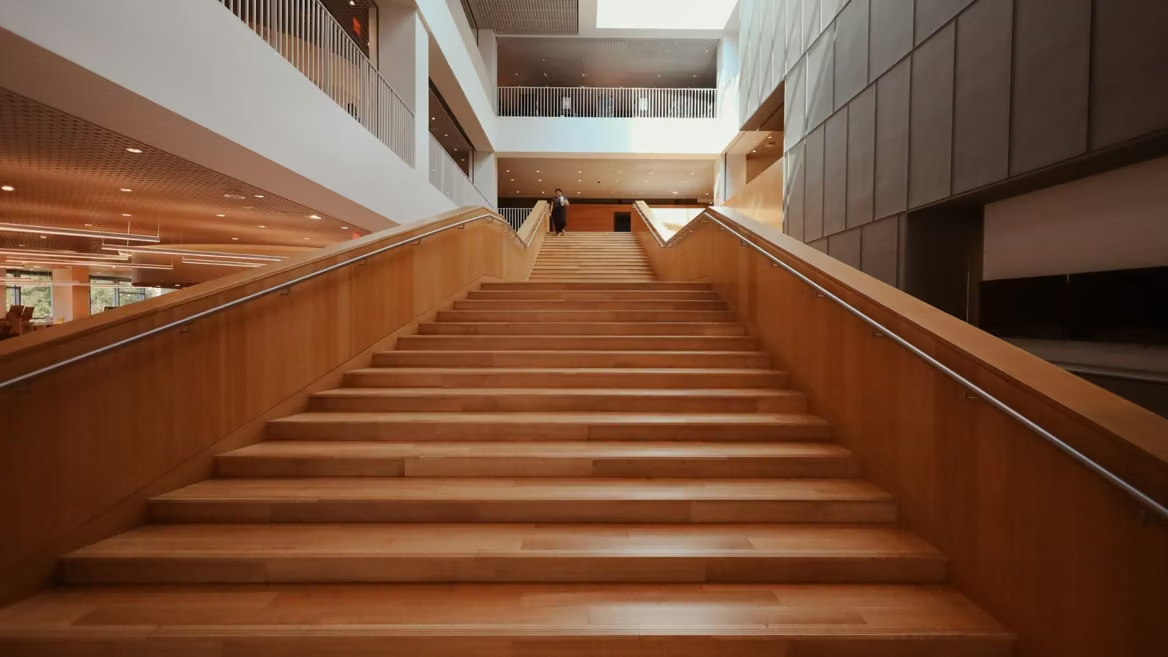
You were hurt at a store, an apartment complex, an office or someone's home because something on the property was broken, dark, loose or unsafe. Tell us your story.
We hear from people injured on property they did not own or control, and from families trying to understand how it happened. CBW Law looks at who controlled the property, what the owner knew, and what the records show. Tell Us Your Story. Contacting us does not create an attorney-client relationship.
Premises liability is the area of law that deals with injuries caused by unsafe conditions on land or in buildings. It covers a wide range of places, from grocery stores and parking garages to rental homes and public parks. An injury on someone else's property does not, by itself, mean the owner did anything wrong. A premises liability claim asks narrower questions: who controlled the property, what that person knew or should have known about the hazard, what a reasonable owner would have done about it, and whether that failure caused the harm.
How unsafe property conditions cause injuries
Most premises cases start with something ordinary that was left in poor shape. A handrail works loose. A light burns out over a stairwell and stays out for weeks. Boxes are stacked too high on a top shelf. None of these is unusual, which is part of the problem. Hazards that look minor can go unaddressed until someone gets hurt.
- Maintenance problems, such as rotted decking, broken pavement, leaking roofs or failed drainage that leaves water in a walkway
- Unsafe stairs, including missing or loose handrails, uneven step heights, worn treads and broken or uneven steps
- Falling objects, such as merchandise stacked on high shelves, loose ceiling tiles, signs, light fixtures or unsecured building materials
- Inadequate lighting in parking lots, hallways, stairwells and entrances
- Unsecured hazards, such as open holes, exposed wiring, uncovered drains, cords across a floor or construction areas left open to visitors
- Collapsing structures, such as balconies, railings, shelving or furniture that gives way
Several kinds of property claims are common enough that we address them on their own pages. Falls caused by spills, uneven floors and loose flooring are covered in Slip, Trip & Fall Injuries. Assaults tied to broken locks, poor lighting or missing security are covered in Negligent Security. Drownings and pool injuries are discussed in Swimming Pool & Drowning Claims, and Arizona's separate dog-bite rules appear in Dog Bites & Animal Attacks.
Injuries linked to property hazards
The injury depends on the hazard and the person. A child, a healthy adult and an older adult may be hurt very differently by the same broken step. Government and research data help show how often property conditions play a part.
What the data show
- Stairs
- A study of national emergency department data estimated an average of 1,076,558 stair-related injuries treated each year from 1990 through 2012. Sprains and strains, soft tissue injuries and fractures were the most common types6.
- Where people are hurt
- In the same study, the lower body and the head and neck were the body regions most often injured. Most of the patients were between 11 and 60 years old6.
- Head injuries
- The CDC reports that falls lead to nearly half of traumatic brain injury hospitalizations7.
- Older adults
- The CDC lists broken or uneven steps among home hazards that make falls more likely, and reports that falls can cause wrist, arm, ankle and hip fractures5.
- Sprains and strains
- Broken bones
- Head injuries and concussion
- Neck and back injuries
- Cuts and crush injuries
- Injuries that worsen a prior condition
Some injuries are clear right away. Others, such as a concussion, may take time to show. Head injuries are discussed further in Traumatic Brain Injury.
How a premises liability lawyer evaluates responsibility
A premises liability attorney does not start with the injury. The review starts with the property and works forward. The same questions come up in almost every case.
- Control. Who owned, leased, managed or maintained the area where you were hurt? A landlord, a tenant business, a property manager and a maintenance contractor may each control different parts of the same building.
- Duty. Did the law require that person to use care toward you? In Arizona, whether a duty exists is a threshold question for the court, and without a duty a negligence claim cannot go forward4.
- Notice. Did the owner know about the hazard, or had it been there long enough that a reasonable owner should have found it?
- Inspection. What kind of checks would a careful owner of this type of property have done, and were they done?
- Warnings and repairs. Was the hazard fixed, blocked off or clearly marked, and was that enough under the circumstances?
- Causation. Did the condition actually cause the injury, or did something else?
Notice and inspection
Arizona courts usually require proof that the owner created the hazard, knew about it (actual notice), or that it existed long enough that ordinary care would have found and fixed it (constructive notice)2. The notice must be of the hazard itself, not just general conditions that might produce one. For constructive notice, the most important question is often how long the hazard was there2. That is why inspection logs, maintenance records and video matter so much.
Visitor status
Many states, including Arizona, have traditionally sorted visitors into categories. An invitee is someone invited onto the property, either as a member of the public or for business. Arizona landowners owe invitees a duty to keep their property reasonably safe, and that duty can shrink if the visitor goes into areas where the owner did not invite them1. A visitor who goes beyond the invitation may be treated as a licensee or a trespasser, depending on the circumstances1. States do not all handle these categories the same way. Some have changed or dropped them, so the rules differ by state.
An injury is where the questions begin; the records show whether anyone is responsible.
Arizona rules that shape premises liability claims
Arizona offers a useful example of how state law affects these claims. Other states use different rules for visitor status, obvious hazards, shared fault and deadlines.
Arizona at a glance (as of October 2026)
- Duty to invitees
- A possessor of land must use reasonable care to make the premises safe for invitees, which includes discovering and correcting or warning of hazards it should reasonably foresee3.
- Open and obvious
- An obvious hazard is a factor in deciding whether the owner acted reasonably. It does not erase the duty. Where the owner should expect harm despite the obvious danger, obviousness is not conclusive3.
- Foreseeability
- The Arizona Supreme Court has held that foreseeability is not used to decide whether a duty exists. It bears on breach and causation, which are usually fact questions4.
- Shared fault
- If an injured person is partly at fault, Arizona generally reduces damages in proportion to that share rather than barring the claim8.
- Recreational land
- An owner, lessee or occupant of certain land is not liable to people who use it for recreation or education without paying an admission fee, unless the owner's wilful, malicious or grossly negligent conduct directly caused the injury11.
Warning signs deserve special mention. A sign can be part of acting reasonably, but it does not automatically end the question. In Arizona, whether a warning was enough is part of deciding whether the owner acted reasonably, and an obvious hazard is not conclusive if the owner should have expected people to be hurt anyway3.
Who may be responsible for a dangerous property
More than one party may share control of a property. None of them is presumed responsible. Depending on the facts, a premises liability claim might involve:
- The property owner
- A business that leases and operates the space
- A landlord or homeowners' association responsible for common areas
- A property management company
- A maintenance, security, janitorial or construction contractor
- A city, county or state agency that controls public property
Leases, management agreements and service contracts often decide who was supposed to inspect and repair a given area. Those documents can point toward one party or away from another.
Evidence in a premises liability claim
Property conditions change fast. A spill is mopped, a bulb is replaced, a broken railing is repaired. The record of what the place looked like on the day you were hurt can be lost if no one saves it.
Records that may help
From the scene
- Photos and video of the hazard, the lighting and the surrounding area
- Names and contact details of witnesses
- The clothing and shoes you were wearing, kept as they were
- Any incident report you filed, and the name of the person who took it
From the property
- Surveillance video, which is often recorded over on a set schedule
- Inspection logs and walk-through checklists
- Maintenance and repair records and work orders
- Prior complaints or reports about the same hazard
About your injury
- Emergency, urgent care and follow-up records
- Imaging and therapy records
- Work absence and wage records
- A short written account of what happened, made while it is fresh
When to talk to a premises liability attorney
Speaking with a lawyer does not commit you to filing a lawsuit. A claim review looks at whether the facts support the elements Arizona requires and whether any special rules apply. It may make sense to reach out when:
- Your injury needed medical care or kept you from work or daily activities
- The property's insurer has contacted you or asked for a recorded statement
- The hazard was on public property, such as a city sidewalk or a state building
- You were hurt at a rental property and are unsure whether the landlord or tenant was responsible
- Video or records may be deleted if no one asks for them
- A family member died after an injury on someone else's property
Filing deadlines for a premises liability lawsuit
Deadlines vary by state and by the type of defendant. In Arizona, most personal injury lawsuits must be filed within two years after the cause of action accrues9.
Claims against government bodies move faster. If the property belongs to a public entity, a written notice of claim must be filed within 180 days after the cause of action accrues. It must include enough facts to explain the claim and a specific amount for which it can be settled, with facts supporting that amount10. A claim not filed in that window is barred10. A lawsuit against a public entity or public employee must then be brought within one year12. Other states have their own notice rules and deadlines, and exceptions can apply to either rule.
What happens after you contact CBW Law
How a review works
-
You tell us what happened
Share where you were hurt, what the hazard was and when it happened. Rough dates are fine.
-
We look at control and deadlines
We identify who may have owned or managed the area and whether any public-entity notice rule may apply.
-
We ask about the records
With your permission, we gather your medical records and, where appropriate, ask the property to preserve video, logs and reports.
-
We explain what we found
We tell you plainly what the facts suggest, what questions remain and what options may be open to you.
Plain English
Medical, Health & Insurance
Property, medical and insurance records use terms that are easy to misread. These are some you may see.
Legal terms
- Invitee
- A person invited onto property, either as a member of the public or for business. In Arizona, owners must keep their property reasonably safe for invitees1.
- Actual notice
- The owner knew about the hazard before the injury2.
- Constructive notice
- The hazard existed long enough that the owner, using ordinary care, should have found and fixed it2.
- Comparative fault
- A rule that reduces a person's damages by their share of fault rather than barring the claim, as in Arizona8.
Medical terms
- Traumatic brain injury (TBI)
- An injury that affects how the brain works, caused by a bump, blow or jolt to the head or a penetrating injury7.
- Sprain and strain
- A sprain is a stretched or torn ligament. A strain is a stretched or torn muscle or tendon.
- Soft tissue injury
- Damage to muscles, tendons, ligaments or skin rather than bone.
Insurance and billing terms
- Liability insurance
- Coverage that pays claims against a business or homeowner when they are found legally responsible for an injury.
- Medical payments coverage
- Coverage in some property policies that pays limited medical bills regardless of fault. Whether it applies depends on the policy.
- Lien
- A claim by a health plan, hospital or government program to be repaid from any recovery for bills it paid.
- Recorded statement
- An interview an insurer records about how the injury happened. You can ask to speak with a lawyer first.
Questions
Frequently asked premises liability questions
Short answers to questions people often ask after being hurt on someone else's property.
What is premises liability?
Premises liability is the part of negligence law that covers injuries caused by unsafe conditions on property. The claim is against whoever controlled the property, such as an owner, tenant business or manager. It asks whether that person failed to use reasonable care about a hazard they knew of or should have found. An injury alone does not prove that.
Does a property owner have to keep me completely safe?
No. Arizona's Supreme Court has said a business owner must keep premises reasonably safe for invitees, but is not an insurer of their safety2. A premises liability lawyer looks at whether the owner acted reasonably given what it knew or should have known.
If there was a warning sign, can I still bring a claim?
Possibly. A warning is one factor. In Arizona, an obvious or known hazard bears on whether the owner acted reasonably, but if the owner should have expected people to be hurt anyway, the warning or obviousness is not conclusive3. The answer depends on the hazard, the sign and the circumstances.
What if I was partly at fault?
In Arizona, your own share of fault reduces your damages in proportion; it does not automatically bar the claim8. Other states use different comparative fault rules, and some bar recovery if the injured person's share passes a set level. An attorney can explain how the rule applies where you were hurt.
Does it matter why I was on the property?
It can. Arizona and many other states consider whether a visitor was invited for public or business purposes. An invitee who goes into areas the owner did not open to them may be owed a lesser duty1. Some states have moved away from these categories, so the rules differ.
I was hurt on a city sidewalk. Is that different?
Who pays for my medical bills after an injury on someone's property?
It depends. Your own health insurance usually pays first, and it may later ask to be repaid from any recovery. Some property policies include medical payments coverage, and a liability claim may cover bills if the owner is found legally responsible. No payment is automatic.
Should I talk to the property's insurance company?
You can, but be careful. Insurers often ask for a recorded statement early. Stick to facts, do not guess about your injuries, and remember you can ask to speak with a premises liability attorney before giving one.
How long do I have to file a premises liability lawsuit?
Tell Us Your Story
Premises liability claims turn on control, notice and what a reasonable owner would have done, not on the injury alone. The records that answer those questions can disappear quickly.
If you or someone you love was hurt because of an unsafe condition on someone else's property, tell us what happened. We will listen and explain what a claim review could involve.
Tell Us Your Story Call (800) 476-2416
This page is general information about premises liability. It is not legal or medical advice and does not create an attorney-client relationship. An accident, an injury or a loss does not, by itself, establish that anyone was negligent or legally responsible, and the law differs from state to state. No outcome can be promised in any case.