Case type Personal Injury
Car Accidents
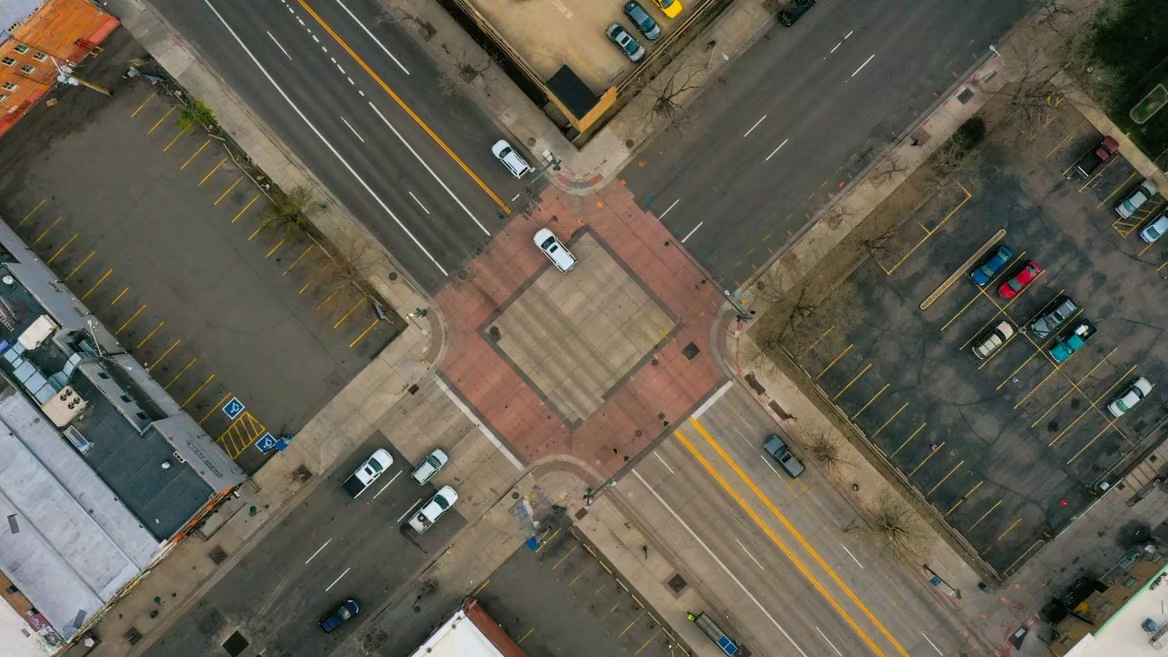
You were hurt in a crash, the bills are arriving, and an adjuster wants a statement before you know how bad the injury is. Tell us your story.
We hear from drivers, passengers and families after collisions of every kind, often while the insurance picture is still unclear. CBW Law reviews the crash evidence, the medical records and the policies that may apply, and tells you plainly what we see. Tell Us Your Story. Contacting us does not create an attorney-client relationship.
Most car accidents come down to a few seconds: a glance at a phone, a late brake, a turn across traffic. What happens next can take months, because a car accident claim depends on proof of how the crash happened, how you were hurt and which insurance applies. The type of collision does not settle who is responsible. A car accident lawyer looks at the physical evidence, the records and the law of the state where the crash happened before reaching any view on fault.
What causes car accidents
Traffic deaths in the United States have been falling. NHTSA estimates that 36,640 people died in motor vehicle crashes in 2025, down 6.7% from 2024, when 39,254 people were killed1. Behind those totals are many more injury crashes, and the same driving behaviors show up again and again.
- Distracted driving: NHTSA counts any activity that pulls attention from driving, from texting to adjusting a navigation screen. Distracted driving crashes killed 3,208 people and injured 315,167 in 20242.
- Impaired driving: In 2024, 30% of U.S. traffic deaths involved an alcohol-impaired driver, or 11,904 lives. NHTSA also warns that cannabis and other drugs impair driving3.
- Speeding: Speeding-related crashes killed 11,288 people in 2024, 29% of all traffic deaths, and injured an estimated 316,757 more4.
- Unsafe lane changes: Merging into an occupied lane, cutting back in after passing, or drifting across a lane line.
- Intersection crashes: Red-light running, left turns across oncoming traffic, and failures to yield at stop signs.
- Rear-end collisions: Following too closely, stop-and-go traffic, and drivers who look away just as traffic slows.
These patterns are a starting point, not a conclusion. A rear-end crash may involve a vehicle that cut in and braked hard. An intersection crash may involve a signal that was not working. Crashes that involve a commercial vehicle or a ride-hail trip raise their own questions, covered on our pages on truck and 18-wheeler accidents and rideshare accidents.
Car crash injuries and symptoms that show up later
Some injuries are obvious at the scene. Others are easy to miss in the rush of police, tow trucks and phone calls. MedlinePlus lists car accidents among the common causes of neck pain and describes whiplash as a soft tissue injury to the neck, also called a neck sprain or strain6. The CDC notes that some concussion symptoms appear right away, while others may not show up for hours or days5.
- Neck and back sprains, including whiplash
- Concussion and other brain injuries
- Broken bones and joint injuries
- Chest and abdominal injuries from belts, airbags or the steering wheel
- Cuts, burns and scarring
- Anxiety, poor sleep and fear of driving after the crash
If you have been in a crash, get checked by a medical professional, and follow up if new symptoms appear. The CDC advises calling 911 or going to an emergency department right away for danger signs after a head injury, such as a headache that gets worse and does not go away, repeated vomiting, slurred speech or not being able to wake up5. Prompt care protects your health first. It also creates a record that links your symptoms to the crash. Severe injuries have their own pages on traumatic brain injury and spinal cord injury.
How fault is decided in a car accident claim
A car accident claim is usually a negligence claim. In plain terms, the question is whether a driver, or someone else, failed to use reasonable care, and whether that failure caused your injuries. The answer comes from evidence: where the vehicles were, how fast they were going, what each driver could see, and what the traffic signals showed.
Fault can also be shared. Arizona follows pure comparative fault. If an injured person is found partly at fault, the claim is not barred, but the damages are reduced by that person's share of fault7. Other states use different fault rules, and some can bar recovery when an injured person's share of fault is high enough. That is one reason the location of the crash matters.
Injury claims, property damage claims and insurance
A single crash often produces two separate claims. A bodily injury claim covers harm to people, such as medical bills, lost wages and pain and suffering. A property damage claim covers the vehicle and other property. The National Association of Insurance Commissioners (NAIC) describes bodily injury liability and property damage liability as separate parts of most auto policies9. The two claims can move at different speeds, and settling the car repair does not have to mean settling the injury claim. Read anything you sign carefully, and ask before signing a release.
Coverage that may come into play
- Arizona minimum liability
- For policies issued or renewed since July 1, 2020, Arizona requires at least $25,000 for injury to one person, $50,000 for two or more people and $15,000 for property damage10.
- Policy limits
- If a case settles or ends in a judgment, the at-fault driver's insurer pays up to the policy limit. Any amount above the limit is the driver's own responsibility9.
- Collision coverage
- Optional coverage that pays for physical damage to your own car after a collision9.
- No-fault benefits
- Some states use no-fault insurance, where your own insurer pays certain losses regardless of who caused the crash, and lawsuits for pain and suffering are limited by a threshold11. Arizona's required coverage is liability insurance for harm the insured driver causes to others10.
- Uninsured and underinsured motorist coverage
- In Arizona, insurers must offer these coverages in writing. Buying them is the policyholder's choice12.
Uninsured and underinsured motorist coverage matters when the at-fault driver has no insurance, carries only minimum limits, or cannot be identified. It has its own rules and deadlines, which our page on uninsured and underinsured motorist claims covers in detail. Health insurance or optional medical payments coverage may also pay early bills. In Arizona, an auto insurer that pays more than $5,000 in medical payments benefits may claim a lien on a later recovery for the amount above $5,00012.
Who may be responsible for a car crash
Responsibility is never presumed. Depending on the evidence, a claim review may look at:
- The driver whose conduct caused the collision
- The vehicle owner, depending on state law and how the car was being used
- An employer, if the driver was working at the time
- A rental, rideshare or delivery company, under its own policy terms
- A vehicle or parts maker, if a defect played a role
- A government agency or contractor, for a dangerous road design, a broken signal or an unsafe work zone
- Another driver whose actions set off a chain of collisions
Evidence that helps a car accident lawyer reconstruct the crash
Much of the best evidence disappears quickly. Vehicles are repaired or salvaged, video is recorded over, and memories fade. Your vehicle may carry an event data recorder, which NHTSA describes as a device that records vehicle and occupant information for a brief period (seconds, not minutes) before, during and after a crash. It may record how the vehicle was moving and its system status, driver inputs, and seat belt use and airbag deployment8.
Records to keep or request
From the scene
- The police crash report number and the agency that responded
- Photographs of the vehicles, the road, skid marks, debris and signals
- Names and phone numbers of witnesses
- The other driver's name, insurer and policy number
Vehicles and video
- Repair estimates, total-loss valuations and towing records
- Event data recorder downloads, before a vehicle is scrapped
- Dashcam, doorbell, business and traffic camera footage
Medical and financial
- Emergency room, urgent care and follow-up records
- Imaging, therapy notes and prescriptions
- Bills, explanation-of-benefits statements and pay stubs
- A short daily note on pain, sleep and missed activities
Keep your own messages with insurers too. A short log of who called, when, and what they asked for can help later.
When to talk to a car accident attorney
Many minor crashes are handled directly with an insurer. A conversation with a car accident attorney may make sense when:
- You needed emergency care, surgery or ongoing treatment
- Fault is disputed, or the insurer says you were partly to blame
- More than one vehicle, a commercial truck or a work vehicle was involved
- The at-fault driver had no insurance or very low limits
- An adjuster is pressing for a recorded statement or a quick release
- A family member died, which raises wrongful death questions
- A government vehicle or road condition may be involved, with short notice deadlines
A review weighs the evidence on fault, the medical picture, the insurance available and the time left to act. No one can tell you at the outset what a car accident claim is worth, and a careful lawyer will not try. Nor is there a set point at which you must settle. That decision depends on your recovery and the facts.
Filing deadlines for a car accident lawsuit
In Arizona, a personal injury lawsuit generally must be filed within two years after the claim accrues. When an injury leads to death, the two years run from the date of death13. Insurance talks can run longer than people expect, so keep the date in view.
Claims against an Arizona public entity, such as a city, county or state agency, have stricter rules. A written notice of claim must be filed within 180 days after the claim accrues. It must include the facts and a specific amount for which the claim can be settled14. The lawsuit itself generally must be filed within one year15. Deadlines differ in other states, and some rules can shorten or extend the time in particular cases. Asking early protects your options.
What happens after you contact CBW Law
How a claim review works
-
You tell us about the crash
Share the date, the place, who was involved and how you were hurt. A rough timeline is enough to start.
-
We look at what exists
With your permission, we gather the crash report, photos, insurance details and medical records, and note any evidence that should be preserved.
-
We check coverage and timing
We identify which policies may apply, including any uninsured or underinsured motorist coverage, and which deadlines govern your claim.
-
We give you a straight answer
We explain what the evidence suggests, what is still unknown, and whether we can help.
The type of crash is never the whole story; the evidence is.
Plain English
Medical, Health & Insurance
Medical records and insurance letters after a crash use their own vocabulary. These are terms you may see.
Common crash injuries
Care and records
- Imaging
- Tests such as X-rays, CT scans or MRI used to look for fractures and internal injuries.
- Discharge instructions
- Written guidance from the hospital or clinic on warning signs and follow-up care.
- Event data recorder (EDR)
- A device in many vehicles that records a few seconds of data before, during and after a crash8.
Insurance
- Bodily injury liability
- The at-fault driver's coverage for other people's injuries, including medical costs, lost wages and pain and suffering9.
- Property damage liability
- The at-fault driver's coverage for damage to other people's vehicles and property9.
- Personal injury protection (PIP)
- First-party benefits used in no-fault states that pay certain losses regardless of fault11.
- Policy limit
- The most an insurer will pay under a coverage for one person or one accident9.
Legal
- Comparative fault
- A rule that reduces damages by the injured person's share of fault. Arizona's version does not bar the claim7.
- Statute of limitations
- The deadline to file a lawsuit. In Arizona it is generally two years for personal injury13.
- Release
- A signed agreement that ends a claim in exchange for payment. Once signed, it is usually final.
Questions
Frequently asked car accident questions
Short answers to questions people ask in the weeks after a crash.
Does the driver who rear-ended me automatically pay?
Not automatically. Many people assume the driver in back is at fault, but fault in a rear-end crash still depends on the facts, such as whether another car cut in suddenly or a vehicle had no working brake lights. Evidence like video, vehicle data and witness accounts decides the question, not the type of collision.
What if I was partly at fault for the crash?
In Arizona, you can still bring a claim. Your damages are reduced by your share of fault rather than barred7. Other states use different rules, and some bar recovery once a person's share of fault passes a set point. A car accident lawyer can explain which rule applies where your crash happened.
Should I give a recorded statement to the other driver's insurer?
You can take time to decide and ask to speak with a lawyer first. The other driver's insurer works for its own policyholder, not for you. Your duties to your own insurer are set by your policy, so check it. Whatever you say, stick to facts you know and do not guess about speed, distance or injuries.
Is a property damage claim the same as an injury claim?
No. Property damage liability pays for vehicles and other property, while bodily injury liability pays for harm to people9. They are often handled separately and on different timelines. Settling your car repair does not have to settle your injury claim, but read any release closely before you sign.
What if the other driver has no insurance or too little?
Uninsured or underinsured motorist coverage on your own policy may help, if you bought it. Arizona insurers must offer both coverages in writing, but buying them is optional12. These claims have their own notice rules and deadlines, so it helps to check your declarations page early.
What is no-fault insurance, and does it apply in Arizona?
In a no-fault system, your own insurer pays certain losses regardless of fault, and lawsuits for pain and suffering are limited by a threshold11. Arizona's required coverage is liability insurance for harm the insured driver causes to others10, so an injured person there usually looks to the at-fault driver's liability coverage. Health insurance or optional medical payments coverage may help with early bills.
How long do I have to file a car accident lawsuit in Arizona?
My pain started a few days after the crash. Is that unusual?
It can happen. The CDC notes that some concussion symptoms do not appear for hours or days5. Get checked if symptoms start or change, and tell the provider about the crash so the record reflects it. Your own doctor is the right person to assess your symptoms.
How much is my car accident claim worth?
No one can answer that honestly at the start. Value depends on proof of fault, the extent of the injuries, the course of treatment, lost income, the insurance available and the state's law. Be wary of anyone who quotes a number before seeing the records.
Will CBW Law take my car accident case?
Not every crash leads to a claim we can pursue. We review what happened, the injuries, the insurance and the deadlines, and then tell you honestly whether we can help. If we cannot, we will say so. Contacting us does not create an attorney-client relationship.
Tell Us Your Story
Car accident claims turn on evidence, insurance terms and deadlines, and each crash has its own facts. Fault, coverage and timing all depend on where the collision happened and what the record shows.
If you or someone you love was hurt in a crash, tell us what happened. We will listen, look at what is available, and tell you honestly what a claim review could involve.
Tell Us Your Story Call (800) 476-2416
This page is general information about car accidents. It is not legal or medical advice and does not create an attorney-client relationship. An accident, an injury or a loss does not, by itself, establish that anyone was negligent or legally responsible, and the law differs from state to state. No outcome can be promised in any case.