Case type Personal Injury
Bicycle Accidents
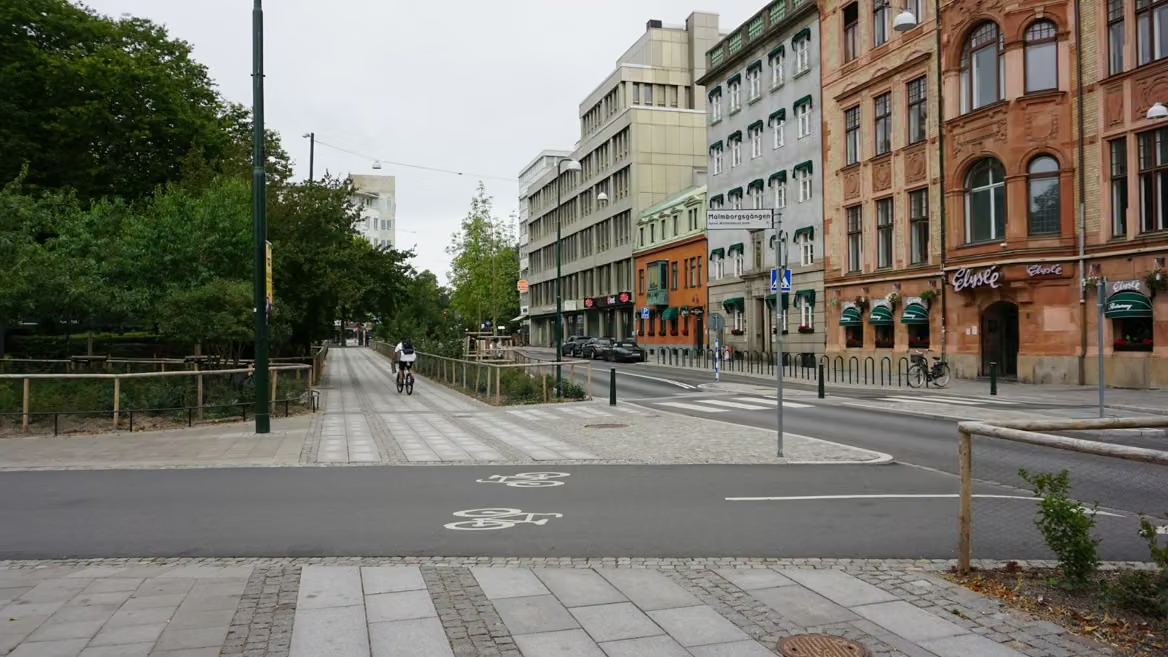
You were riding where you had every right to be when a car turned, passed too close or a door swung open, and now you are hurt and unsure what comes next. Tell us your story.
We hear from commuters, recreational riders, parents of young cyclists and families who have lost someone. CBW Law reviews how the crash happened, which rules of the road applied and which insurance may be available, then explains what we see. Tell Us Your Story. Contacting us does not create an attorney-client relationship.
When a car and a bicycle collide, the cyclist takes nearly all of the force. NHTSA reports that 1,103 bicyclists were killed in U.S. traffic crashes in 20241, and many more were hurt. In Arizona, a person riding on the road has the same rights and duties as a driver, with some special rules2. Whether a driver, a property owner or someone else is legally responsible depends on what the evidence shows, not on who was on the bike. A bicycle accident lawyer looks at the facts first and the labels last.
Where bicycle crashes tend to happen
IIHS found that 81% of bicyclists killed in crashes with motor vehicles in 2024 died in urban areas, 39% died at intersections, and deaths peaked between 6 p.m. and 9 p.m.3. Two-thirds (66%) happened on major roads other than interstates and freeways3. The crash types behind many cycling claims include:
- Right hooks. A driver passes a cyclist and then turns right across the cyclist's path, or turns right from a stop without checking the bike lane.
- Left crosses. An oncoming driver turns left in front of a cyclist going straight through an intersection.
- Unsafe passing. A driver overtakes too closely, clips the cyclist with a mirror or forces the rider off the road.
- Dooring. A person in a parked car opens a door into the path of an approaching cyclist.
- Driveways and parking lots. A driver pulls out of a driveway, alley or parking lot without looking toward the bike lane or sidewalk.
- Rear-end strikes. A driver hits a cyclist from behind, often at dusk or at night.
- Roadway hazards. Potholes, broken pavement, debris, drainage grates, uneven seams and poorly marked construction can throw a rider.
Research on large crash databases helps explain some of these patterns. In a study of nearly 128,000 British bicycle crashes on road segments from 1991 to 2020, door crashes were strongly linked to urban areas and to taxis and private-hire cars, and overtaking crashes were more likely when the vehicle involved was a heavy goods vehicle4. Those are trends across many crashes. They do not decide what happened in yours.
Injuries cyclists commonly face
CDC estimates about 120,000 emergency department visits each year for bicyclists hurt in crashes5. In a majority of bicyclist deaths, the most serious injuries are to the head3. Injuries that come up in bicycle accident claims include:
- Concussions and other traumatic brain injuries
- Broken collarbones, wrists, arms and hips
- Facial and dental injuries
- Spinal and neck injuries
- Deep abrasions and lacerations
- Knee, shoulder and soft-tissue injuries
Helmets help but do not prevent every injury. A review of 40 studies covering more than 64,000 injured cyclists found that helmet use was linked to lower odds of head, serious head, facial and fatal head injury6. Brain injury symptoms can be delayed and may appear days or weeks later7. MedlinePlus advises getting medical care right away for emergency signs such as seizures, repeated vomiting, confusion that does not go away or weakness on one side7. A prompt medical visit also creates a record that links your symptoms to the crash. If a head injury is part of your story, our traumatic brain injury page goes further.
How responsibility is sorted out in a bicycle accident claim
Most bicycle accident claims are negligence claims. A review asks four questions: what duty each person had, whether someone fell short of it, whether that shortfall caused the crash, and what harm followed. Arizona's traffic laws help define those duties. A driver passing a cyclist going the same way must leave at least three feet until safely past8. A person may not open a car door unless it is reasonably safe and will not interfere with traffic9. Cyclists, in turn, follow the rules of the road that apply to drivers2.
Arizona applies pure comparative fault. If a jury finds an injured cyclist partly at fault, the claim is not barred; damages are reduced in proportion to that share10. Insurers sometimes point to a missing helmet, riding position or dark clothing. Those points do not end a claim. At most, they raise a fact question about whether the cyclist's conduct contributed to the injury, and how much10.
A cyclist who rides lawfully on a public road has the same right to safety as anyone in a car.
Arizona bicycle laws, helmets and insurance coverage
Bicycle laws vary widely by state and sometimes by city. Arizona's main rules, as of October 2026:
Arizona at a glance (as of October 2026)
- Three-foot rule
- Drivers must leave at least three feet when passing a bicycle until safely past. A violation that causes serious injury or death can bring a civil penalty8.
- Where to ride
- Slower cyclists generally ride as close as practicable to the right, but may move left to pass, turn left, avoid hazards or when the lane is too narrow to share11.
- Bike lanes
- Vehicles may not stop, park or stand in a designated bike lane except in an emergency or to cross it11.
- Helmets
- Arizona's statewide helmet law covers motorcycles, ATVs and motor-driven cycles, not bicycles12. Some local rules apply. According to the Pima Association of Governments, bicyclists under 18 must wear a helmet in Tucson and Pima County13.
- E-bikes
- Electric bicycle riders have the rights and duties of bicycle riders, and e-bikes are not subject to the state's vehicle insurance requirement14.
One detail of the passing statute deserves care. Its civil-penalty subsection does not apply to a cyclist injured in a vehicle traffic lane when a designated bike lane or path is present and passable8. That limit concerns the state's penalty. It does not, by itself, decide whether a driver was negligent in a civil case.
Insurance is often the practical question. The driver's liability policy is usually the first place to look. Your own auto policy may also matter: Arizona insurers must offer uninsured and underinsured motorist coverage, which covers persons insured under the policy, though buying it is optional15. Whether that coverage applies while you were on a bicycle depends on the policy's wording. Our uninsured and underinsured motorist claims page covers those claims in more detail. Other states handle insurance differently, and some use no-fault benefits, so the law where the crash happened matters.
Who may share responsibility for a bike crash
No one is presumed responsible. Depending on the facts, a review may consider:
- The driver who struck the cyclist, and in some cases the vehicle's owner
- A passenger who opened a door into traffic
- An employer or delivery company, if the driver was working; a rideshare trip raises its own insurance questions (see our rideshare accidents page)
- A city, county or state agency responsible for road surface, signals or bike-lane design
- A property owner or business whose driveway, landscaping or construction blocked sight lines
- The maker or seller of a bicycle, e-bike or component, if a defect is shown
Records and evidence for a bicycle accident claim
Crash reports in bicycle cases are sometimes thin. The cyclist may have been taken away by ambulance before giving a statement. That makes other evidence more important, and much of it is short-lived. Business and home security video is often recorded over. Keep the bicycle, helmet and clothing unrepaired and unwashed until they can be photographed or inspected.
What to gather
The crash
- The crash report number and responding agency
- Photos of the scene, lane markings, signs and any road defect
- Witness names and phone numbers
- Video from bike cameras, dash cams, homes or businesses
- Ride data from a GPS app or cycling computer
Your equipment
- The bicycle, as it was after the crash
- Your helmet, even if it looks undamaged
- Torn clothing, shoes and lights
- Repair estimates or replacement receipts
Your recovery
- Ambulance, ER and follow-up records
- Imaging, therapy and prescription records
- Medical bills and insurance statements
- Notes on missed work, pain and daily limits
Questions a bicycle accident lawyer will ask
A bicycle accident attorney can help you decide whether a claim is worth pursuing. Not every crash leads to a lawsuit, and a review is often how you find out. Expect questions like these:
- Where exactly were you riding: bike lane, traffic lane, shoulder or crosswalk?
- What was the driver doing just before impact, and what did they say afterward?
- Is there video, and has anyone asked for it to be saved?
- What injuries were diagnosed, and what treatment is still ahead?
- Which insurance policies may apply, including your own household's auto policy?
- Did a road defect, a government agency or a commercial driver play any part?
Bicycle and walking crashes raise many of the same issues; our pedestrian accidents page covers the overlap. If a crash took someone's life, the wrongful death page explains who may bring that claim.
Deadlines for an Arizona bicycle accident lawsuit
In Arizona, a personal injury lawsuit generally must be filed within two years after the cause of action accrues, and a wrongful death claim accrues at death16. When the claim is against a public entity, such as a city responsible for a broken road surface, a notice of claim generally must be filed within 180 days17, and the lawsuit generally within one year18. For injured children, Arizona generally does not count the period before age 18 toward the limitation period19, but public-entity notice rules have their own terms17.
Every state sets its own deadlines and exceptions. Waiting can cost evidence as well as time, so it is worth having the dates checked soon after a crash.
What happens after you contact CBW Law
How a review works
-
Tell us about the ride
Let us know when and where the crash happened and what you remember. You do not need every detail yet.
-
We gather what exists
We look at the crash report, photos, medical records and insurance information, and identify video or witnesses worth pursuing.
-
We map the rules and deadlines
We check which traffic laws, insurance policies and filing deadlines likely apply, including any public-entity notice.
-
We give you a clear answer
We explain what the evidence suggests, what is still unknown and what options you may have.
Plain English
Medical, Health & Insurance
Hospital records, crash reports and insurance letters often use unfamiliar terms. Here are some you may see after a bicycle crash.
Injuries
- Concussion
- A milder form of traumatic brain injury. Symptoms can include confusion, headache and memory loss, and may appear later7.
- Traumatic brain injury (TBI)
- An injury that affects how the brain works, caused when the head strikes an object or is struck7.
- Laceration
- A cut or tear in the skin, which may need stitches or other closure.
Crash terms
- Dooring
- A crash in which a vehicle door is opened into the path of a cyclist. Arizona law restricts opening doors into traffic9.
- Right hook
- A crash in which a vehicle turns right across the path of a cyclist traveling straight on its right.
- Safe passing distance
- In Arizona, at least three feet when a driver passes a bicycle going the same way8.
Insurance
- Bodily injury liability
- Coverage in a driver's policy that pays others for injuries the driver is legally responsible for.
- Uninsured motorist (UM) coverage
- Coverage on your own policy for injuries caused by a driver with no insurance. Arizona insurers must offer it15.
- Underinsured motorist (UIM) coverage
- Coverage on your own policy when the at-fault driver's limits are too low15.
Legal terms
- Comparative fault
- A rule that reduces damages by an injured person's share of fault rather than barring the claim10.
- Statute of limitations
- The deadline for filing a lawsuit; generally two years for personal injury in Arizona16.
- Notice of claim
- A written claim that must be filed with a public entity before suing it, generally within 180 days in Arizona17.
Questions
Frequently asked bicycle accident questions
Short answers to questions cyclists and families often ask after a crash.
Can I still make a claim if I wasn't wearing a helmet?
Not wearing a helmet does not automatically bar a bicycle accident claim. Arizona has no statewide bicycle helmet law12, though some local governments, such as Tucson and Pima County, require helmets for riders under 1813. Under Arizona's comparative fault law, any fault a jury assigns to an injured person reduces damages in proportion; it does not end the claim10.
How much room must drivers give cyclists in Arizona?
At least three feet when passing a bicycle traveling in the same direction, until the driver is safely past8. If a violation causes a collision resulting in serious physical injury or death, the driver can face a civil penalty of up to $500 or $1,0008. A passing violation can also be evidence in a civil claim, though a bicycle accident lawyer still has to show it caused the harm.
Who is responsible when a car door opens in front of me?
Arizona law says no one may open a vehicle door unless it is reasonably safe and will not interfere with moving traffic9. That duty can apply to a driver or a passenger. Who is legally responsible, and which insurance applies, depends on who opened the door and the facts of the crash.
Do I have to ride in the bike lane?
Arizona generally asks slower cyclists to ride as close as practicable to the right, with exceptions for passing, turning left, avoiding hazards and lanes too narrow to share11. Riding outside a bike lane does not by itself make a cyclist at fault. The question is what each person did and whether it caused the crash.
The driver who hit me drove away. What can I do?
Report the crash to police right away and gather any video or witness details you can. If the driver is never found, your own uninsured motorist coverage may help, depending on your policy's terms. Arizona insurers must offer UM coverage, though buying it is optional15. A bicycle accident attorney can review your policy language.
Does it matter that I was riding an e-bike?
It can. In Arizona, an electric bicycle rider has the same rights and duties as a bicycle rider, and e-bikes are not subject to the state's vehicle insurance requirement14. The class of e-bike, its speed and local rules may all matter. A review looks at the specific bike and the crash.
How long do I have to file a bicycle accident lawsuit in Arizona?
My child was hit while riding. Are the rules different?
Some are. Arizona generally pauses the personal injury limitation period while the injured person is under 1819. Local helmet rules may apply to young riders, such as the under-18 helmet rules in Tucson and Pima County13. A child's age can also affect how fault is evaluated, so a review looks closely at the facts.
Should I talk to the driver's insurance company?
You can report the claim, but be careful with recorded statements before you understand your injuries and the evidence. Early statements can be quoted later. Many people choose to speak with a bicycle accident lawyer first, especially when injuries are serious or fault is disputed.
Tell Us Your Story
Bicycle crashes often turn on a single turn, pass or opened door, and the proof of what happened can fade quickly. A missing helmet or a disputed lane position does not, on its own, end a claim in Arizona.
If you or your child was hurt while riding, or you lost someone in a bicycle crash, we are here to listen. Tell us what happened, and we will help you understand what a claim review could involve.
Tell Us Your Story Call (800) 476-2416
This page is general information about bicycle accidents. It is not legal or medical advice and does not create an attorney-client relationship. An accident, an injury or a loss does not, by itself, establish that anyone was negligent or legally responsible, and the law differs from state to state. No outcome can be promised in any case.