Case type Personal Injury
Negligent Security
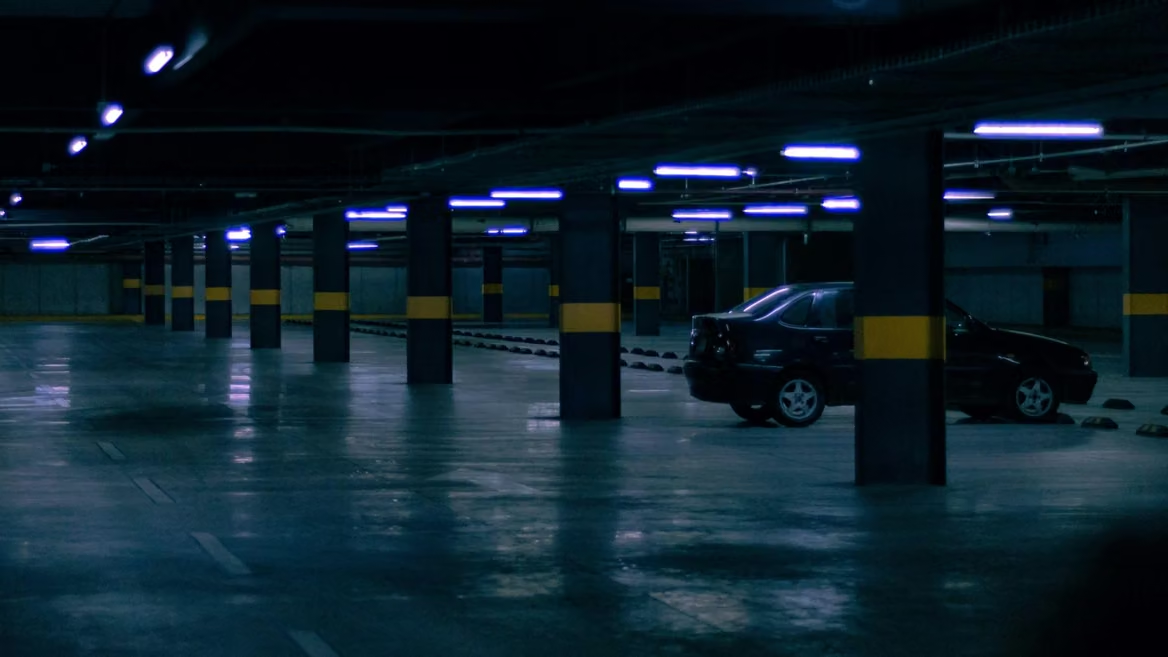
You were attacked, robbed or hurt at an apartment complex, hotel, parking garage, store or venue, and you keep wondering whether better security would have stopped it. Tell us your story.
CBW Law reviews cases where people were hurt by a crime on someone else's property and the property's security may have been part of the reason. We look at what the owner or manager knew, what precautions were in place, and whether a lawyer can help. Tell Us Your Story. Contacting us does not create an attorney-client relationship.
The person who commits a crime is responsible for it. A negligent security claim asks a different question: did the landlord, business or manager that controlled the property take reasonable steps against a danger it knew about or should have expected? A crime on someone's property does not, by itself, answer that question. A negligent security lawyer looks at the property's history, its locks, lights, cameras and staffing, and what happened in the minutes before and after the attack.
Where negligent security claims come up
Most of these cases begin with an assault, robbery, shooting or other violent act at a place open to residents, guests or customers. Places that come up often include:
- Apartment complexes, including parking areas, laundry rooms, stairwells, pools and gates
- Hotels and motels, especially room doors, hallways and outdoor walkways
- Parking garages and surface lots at offices, stores, hospitals and transit stops
- Shopping centers, convenience stores and gas stations, often late at night
- Bars, nightclubs, concert halls, stadiums and other entertainment venues
- Office buildings, campuses and other places that limit who can come in
Some places carry built-in risks. A guide for police on thefts in parking facilities notes that many lots have poor lighting, blind spots and nooks where cars cannot easily be seen, little watching by passersby or attendants, and open access for people on foot8. That guide was about car theft, not every crime, but it shows why the layout of a property is part of any review.
The security questions in a case usually involve some mix of these:
- Lighting in lots, walkways and entrances
- Door locks, gates, key cards and fobs
- Who can get into the building and how
- Guards, staff or patrols and their training
- Cameras and whether anyone watches them
- How staff respond to threats and fights
None of these is a universal legal requirement. Whether a property needed a particular measure depends on the facts, the setting and the law of the state where it happened.
Common patterns we hear about
At apartment complexes, people often describe a gate that stayed broken for weeks, a stairwell light that tenants reported again and again, or a former resident who still had a working key fob. At hotels, the questions tend to be about room door locks, who can get a key card, and whether staff acted when a guest reported someone suspicious. At bars and venues, they are often about staffing, training and whether anyone stepped in as a confrontation built. Each is a starting point for investigation, not proof of fault.
How an attack on poorly secured property can affect your life
Crimes on poorly secured property range from a purse snatching to a shooting, and the injuries vary just as widely. Some, such as a traumatic brain injury, can affect a person for years. When an attack ends a life, the family may have questions about a wrongful death claim.
The emotional effects can last longer than the physical ones. The National Institute of Mental Health says people commonly feel anxious, sad or angry after an act of violence, and may have trouble sleeping or concentrating. Most people recover over time. Some develop post-traumatic stress disorder, which may be diagnosed when symptoms last and interfere with daily life, such as relationships or work10. People with PTSD often have other conditions too, such as depression or anxiety disorders10.
The costs often reach beyond the hospital:
- Emergency care, surgery and follow-up visits
- Counseling or other mental health treatment
- Time away from work, or a change in the work you can do
- Moving out of an apartment or changing a routine that no longer feels safe
- Strain on family members who help with care
If you or someone you know is struggling, NIMH points people to the 988 Suicide & Crisis Lifeline by call or text at 988, and to 911 in a life-threatening situation10.
How responsibility is decided in a negligent security lawsuit
A property owner does not insure the safety of everyone who walks onto its property. Whether a negligent security claim can go forward usually turns on a few plain-language questions:
- Duty. Did the owner, landlord or operator owe you a duty of care? Courts often look at your relationship to the property, such as tenant, hotel guest or customer, and at who controlled the place where the attack happened.
- Foreseeability. Was this kind of harm something the property should have anticipated? Earlier crimes on or near the property, complaints and warnings can matter. States treat foreseeability differently. Some weigh it in deciding whether a duty exists at all; others weigh it later, in deciding whether the owner acted reasonably.
- Notice. Did the owner or its staff know, or should they have known, about the danger, such as a broken gate or a person making threats?
- Reasonable precautions. Given what was known, what would a reasonable operator have done, and what did this one actually do?
- Causation. Would a reasonable precaution have made a difference? A broken lock on a door the attacker never used may have nothing to do with the harm.
Lighting is a good example of why the details matter. A 2025 study of ten years of police records in South Yorkshire, England, found that the overall risk of crime was higher after dark than in daylight, but the effect differed by type of crime and by area7. A guide for police on street lighting notes that the link between lighting and crime is not as simple as people usually assume9. A dim parking lot may or may not have mattered in a particular attack.
Arizona fault rules and the attacker's share
Arizona is our main example. Other states use different rules, so treat this as one state's approach, not a national standard.
Arizona rules that often apply
- Fault is divided
- In most Arizona injury cases, each defendant is liable only for its own percentage of fault, not the whole amount of damages1.
- Everyone's fault counts
- The jury considers the fault of every person who contributed to the injury, whether or not that person was or could have been sued. That can include the attacker1.
- Your own conduct
- If you are found partly at fault, your damages are reduced by your share, but the claim is not barred2.
- Apartments
- Arizona landlords must keep common areas of the premises in a clean and safe condition6. How that applies to security is a fact-specific legal question.
Because the attacker's share is counted separately, a property owner found liable in Arizona generally pays only the part of the damages that matches its own percentage of fault. Arizona law makes a party answer for someone else's share only in narrow situations, such as acting in concert, and it says acting in concert does not apply to a person whose conduct was negligent rather than intentional1.
Other states may divide fault differently or set their own tests for when a business must guard against crime by others. A negligent security attorney who knows the law where the attack happened can explain which rules apply.
The criminal case is separate
A police investigation and any prosecution focus on the person who committed the crime. In Arizona, a court can order a convicted person to pay restitution for the financial costs of the crime. Each county also has a crime victim compensation board that may help with some expenses, such as medical care, counseling and lost wages, when eligibility conditions are met, though meeting them does not ensure an award12. Neither one is a claim against the property owner. A civil claim does not depend on whether anyone was arrested or convicted.
Who may be responsible for inadequate security
Responsibility is never presumed. It depends on who controlled the property and its security when the attack happened. Depending on the facts, a claim might involve:
- The owner of the property
- A property management company
- A landlord or homeowners association
- A hotel, store, bar or venue operator that leases the space
- A security company hired to guard or patrol the property
- A public entity, such as a city that runs a garage or housing complex, under special notice rules
Contracts often decide who was in charge of what. A lease may give a store control of its own doors while the landlord keeps the parking lot. A security contract may limit a guard company to certain hours, posts or duties. For unsafe conditions that do not involve a crime, such as a broken stair or a wet floor, see our premises liability overview. If the attack was a sexual assault, our sexual assault and abuse practice reviews those cases.
Evidence in a negligent security case
Much of the important evidence belongs to the property owner or its contractors, and some of it does not last. Many video systems record over old footage on a schedule. A written request to preserve evidence, sent early, can make a real difference.
Records that can help
What happened
- Police report and incident number
- The property's own incident report
- Photos of the scene, lighting, locks and gates
- Names and contact details of witnesses
- Medical records and bills
What the property knew
- Earlier incident and crime reports for the property
- Tenant or guest complaints, emails and texts
- Police calls for service to the address
- Warnings about a specific person
- Past security reviews or recommendations
What the property did
- Security policies and guard post orders
- Guard schedules, logs and training records
- Work orders for lights, locks and gates
- Camera locations and how long video is kept
- Leases, management and security contracts
Don't assume the lack of a police report ends the question. Many violent crimes are never reported. National survey estimates for 2024 put the rate of nonfatal violent victimization at 23.3 per 1,000 people age 12 or older, and the rate of violent victimizations reported to police at 11.2 per 1,00011. Medical records, messages and witnesses can still show what happened.
When to talk to a negligent security lawyer
It may make sense to speak with a lawyer about a negligent security claim if:
- You were hurt somewhere you had reason to expect basic security, such as your apartment building or hotel
- You know of earlier crimes, complaints or warnings at the same property
- A lock, gate, light or camera was broken and had already been reported
- Staff ignored a threat or a fight that was building
- The property's insurance company has contacted you or asked for a recorded statement
- A family member died after an attack on someone else's property
A claim review looks at who controlled the property, what it knew, what a reasonable response would have been, how that response might have changed what happened, and which state's law applies. Talking with an attorney does not commit you to filing a lawsuit.
Filing deadlines for negligent security claims
In Arizona, most personal injury lawsuits must be filed within two years after the claim accrues, and a wrongful death claim is treated as accruing at the death3. Claims against a public entity or public employee follow stricter rules. A notice of claim must usually be filed within 180 days after the claim accrues, with enough facts to explain the basis for liability and a specific amount for which the claim can be settled4. The lawsuit itself generally must be filed within one year5.
Other states set different deadlines, and exceptions can shorten or extend them. Video and other records may be lost long before any legal deadline, so it helps to act early.
What happens after you contact CBW Law
How a review works
-
You tell us what happened
Share where and when the attack happened and what you remember. You decide how much to share at first.
-
We look at the property
We consider who owned and managed it, what security was in place, and what you know about earlier incidents.
-
We work to preserve evidence
If we take a closer look, we can ask the owner and its contractors in writing to keep video, logs and reports.
-
We explain your options
We tell you what we found, which state's law likely applies, and whether we can help. Contacting us does not commit you to anything.
People hurt on someone else's property deserve a straight answer about whether its security choices played a part.
Plain English
Medical, Health & Insurance
Medical records, police reports and insurance letters after an attack use their own words. These are the ones that come up most in negligent security cases.
Health terms
- Post-traumatic stress disorder (PTSD)
- A condition that may be diagnosed when stress reactions after a traumatic event last and interfere with daily life10.
- Traumatic brain injury (TBI)
- An injury to the brain caused by a blow, jolt or penetrating wound to the head. Symptoms can be mild or severe.
- Co-occurring condition
- Another health problem present at the same time, such as depression alongside PTSD10.
Legal terms
- Duty of care
- A legal obligation to act reasonably to protect others from harm. Whether a property owed one depends on state law and the relationship.
- Foreseeability
- Whether a reasonable person in the owner's position would have anticipated the kind of harm that happened.
- Actual or constructive notice
- Actual notice means the owner knew of a danger. Constructive notice means it should have known, for example because the problem existed long enough to be found.
- Comparative fault
- Dividing responsibility by percentage. In Arizona, your own share reduces your damages but does not bar the claim2.
- Nonparty at fault
- A person who is not a defendant, such as an unidentified attacker, whose share of fault the jury may still consider in Arizona1.
- Preservation letter
- A written request asking a property or company to keep video, logs and other records that may be evidence.
Insurance and payment terms
- Commercial general liability insurance
- Insurance many businesses and landlords carry for injury claims made against them. Coverage depends on the policy.
- Crime victim compensation
- A state program, run by counties in Arizona, that may pay some crime-related expenses when conditions are met12.
- Restitution
- Money a criminal court orders a convicted person to pay a victim for financial losses12.
- Lien
- A claim by a health insurer or other payer to be repaid from a settlement or judgment for bills it covered.
Questions
Frequently asked negligent security questions
Short answers to questions people ask after an attack on someone else's property.
What is negligent security?
It is a claim that a property owner, manager or operator failed to take reasonable security steps and that the failure contributed to a crime that hurt someone. The claim is against the property side, not the attacker. Whether one exists depends on the facts and on the law of the state where it happened.
If I was attacked on someone's property, is the owner automatically responsible?
No. A crime on a property does not, by itself, make the owner responsible. A claim usually needs evidence that the owner owed a duty, knew or should have known of the risk, failed to take reasonable precautions, and that a reasonable step would likely have made a difference.
Can I sue the property if the attacker was never caught?
Possibly. A negligent security lawsuit is about the property's own conduct, so it does not depend on an arrest or conviction. The attacker's identity can still matter, because in Arizona the jury considers the fault of everyone who contributed to the injury, including people who are not part of the lawsuit1.
Do earlier crimes at the property matter?
Often, yes. Earlier incidents, complaints and warnings can help show what the owner knew or should have expected. How much weight they carry varies by state and by how similar and how close in time they were to what happened to you.
What if there were no cameras or guards?
Cameras and guards are not a universal legal requirement. The question is whether a reasonable operator in that setting, knowing what this one knew, would have done more, and whether that would have changed what happened. A missing camera can matter in some cases and not at all in others.
How does fault get divided between the attacker and the property owner?
In Arizona, liability is generally divided by percentage of fault, and each defendant pays only its own share1. Your damages may also be reduced if you are found partly at fault2. Other states handle this differently, which is one reason to talk with a lawyer who knows the rules where the attack happened.
Is this the same as a premises liability claim?
Negligent security is a type of premises claim, but it centers on crimes by other people rather than on physical hazards like a broken step. Both depend on who controlled the property and what it knew. Our premises liability overview covers the broader category.
I live in public housing or was hurt in a city-run garage. Does that change anything?
Can victim compensation and a civil claim both apply?
They are separate. Arizona's county crime victim compensation programs may help with certain expenses when conditions are met12. A civil claim against a property owner is a different process with different rules. An attorney can explain how one may affect the other in your situation.
How long do I have to file a negligent security claim?
In Arizona, most injury lawsuits must be filed within two years3, with shorter deadlines for public entities. Other states differ. Evidence such as video can be lost much sooner, so reaching out early helps even if the deadline seems far away.
Tell Us Your Story
A crime on someone else's property does not make the owner responsible on its own. A negligent security claim depends on what the property knew, what it did, and whether reasonable steps would likely have changed what happened.
If you or someone in your family was hurt in an attack where security may have failed, CBW Law can look at what happened with you. We will be honest about what we find and whether we can help.
Tell Us Your Story Call (800) 476-2416
This page is general information about negligent security. It is not legal or medical advice and does not create an attorney-client relationship. An accident, an injury or a loss does not, by itself, establish that anyone was negligent or legally responsible, and the law differs from state to state. No outcome can be promised in any case.