Case type Utility Injuries & Property Damage
Water Main Breaks & Flooding
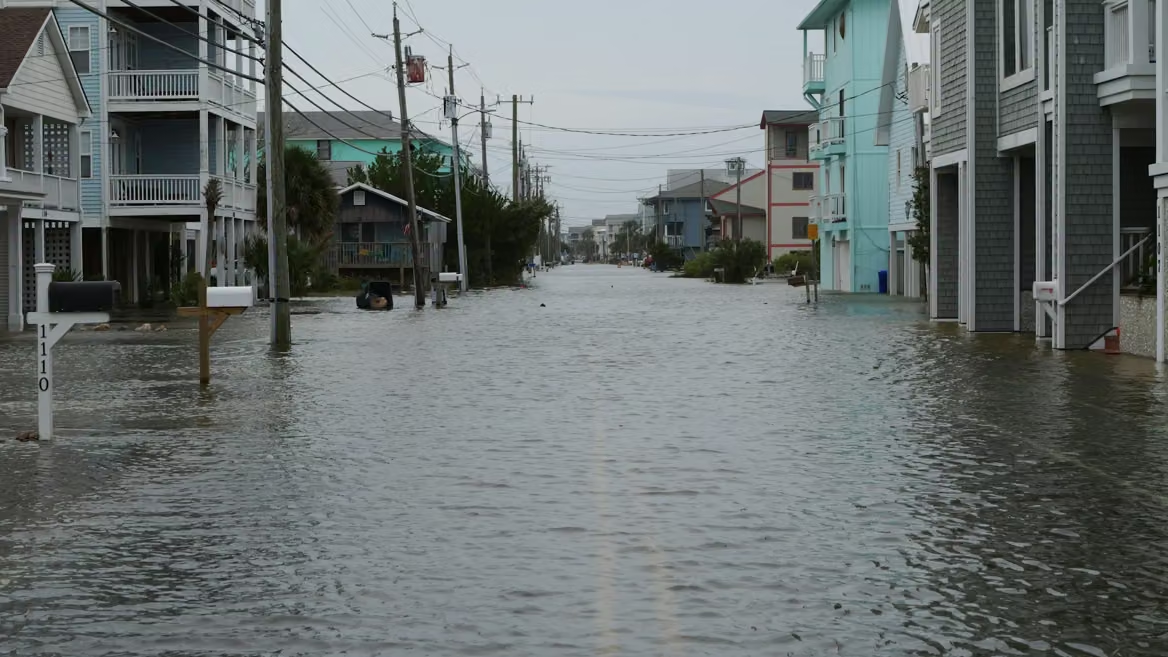
Did a broken water main flood your home, undermine your foundation or shut down your business? Tell us your story.
This page is for homeowners, renters and business owners whose property was damaged when a public or private water main failed. CBW Law reviews what happened, who owns the main and which notice deadlines apply. Tell Us Your Story. Contacting us does not create an attorney-client relationship.
A water main carries treated water under pressure beneath streets and neighborhoods. When one breaks, a large volume of water can reach homes and businesses within minutes, flooding basements, washing out soil and cracking foundations. Many mains are decades old, and breaks are common across the country. A break alone does not prove that the owner was negligent. A water main break lawyer looks at the pipe's history, earlier leak reports and how quickly the utility responded, and moves early because claims against cities often have short notice deadlines.
Why water mains break
The United States has more than 2 million miles of drinking water pipe. Some pipes were laid in the 19th century, and many installed after World War II are reaching the end of a 75 to 100 year design life1. Research on main breaks in the U.S. and Canada examines how pipe material, age, corrosion, pressure and soil corrosivity contribute to failures2.
- Age and corrosion of metal pipe2
- Corrosive soils around the pipe2
- Pressure changes and surges in the system2
- Extreme weather, including hurricanes and flooding1
- Ground movement, settling and nearby excavation
- Pipe material and how it was installed2
Only about 30% of utilities have fully implemented an asset management plan, the tool that helps predict and prevent failures1. Whether a particular utility's planning was reasonable is a fact question in each case.
Places where breaks are more likely
Any system can fail, but some conditions raise the odds. Communities with the oldest pipe networks, mains laid in corrosive soil and areas exposed to hurricanes or flooding face more stress on their systems12. Neighborhoods with heavy construction nearby, and streets where the same main has broken before, also deserve a closer look. Knowing that a main sits in a higher-risk setting does not prove a claim, but it can shape what a utility should have anticipated.
How investigators assess a main break
After a break, the owner usually repairs the pipe quickly. Records and the failed section of pipe can show what happened:
- The pipe's age, material and repair history
- Earlier breaks or leaks on the same main or street
- Customer complaints about low pressure, wet pavement or sinkholes
- Maintenance, inspection and replacement schedules
- Pressure data around the time of the break
- Response times from the first call to the shutoff
Engineers may examine the broken section for corrosion, cracks or installation defects, and compare it with the utility's own condition ratings. A water main break attorney may ask the utility in writing to keep the removed pipe and the related records, because failed sections are often discarded after repairs.
Water main breaks versus sewer backups, stormwater and plumbing
Flooding has many sources, and the source changes the claim and the insurance answer.
| Source | What it is | Typical signs |
|---|---|---|
| Water main break | Failure of a pressurized drinking water pipe, usually under a street | Clean water flowing from the ground or pavement, loss of water pressure |
| Sewer backup | Untreated sewage backing up from the sewer system into a building3 | Dirty water and odor coming up through floor drains or toilets |
| Stormwater flooding | Rain runoff that overwhelms drains or low areas | Flooding during or after heavy rain |
| Private plumbing failure | A burst pipe or fixture inside the building or on the owner's side | Water from a wall, ceiling, appliance or service line on the property |
Sometimes more than one source is involved. A review starts by identifying where the water came from and who owned that part of the system.
Flooding, erosion, structural damage and road hazards
- Flooded basements, crawl spaces and ground floors
- Ruined flooring, drywall, furniture, appliances and stored goods
- Soil washed out from under slabs, driveways and sidewalks
- Foundation cracks and settling
- Sinkholes and collapsed pavement that damage vehicles or injure drivers and pedestrians
- Mold growth after water sits too long
Floodwater can be contaminated and hide debris, and downed or underground lines can energize it20. Be careful entering a flooded building, and shut off electricity only if it is safe to do so21. If someone was injured on a collapsed road or sidewalk, our premises liability page explains related claims.
Interruptions to homes and businesses
A main break can leave a neighborhood without water for hours or days. Businesses may close, and families may need to leave a damaged home. Losses can include:
- Lost sales and income while closed
- Spoiled inventory and damaged equipment
- Hotel and meal costs while displaced
- Cleanup, drying and mold remediation
- Higher costs to keep operating elsewhere
Drinking water advisories after a break
When pressure drops, outside water can be drawn into pipes through cracks, breaks and joints7. EPA reports that main breaks, repairs and loss of pressure can compromise the distribution system and result in microbial contamination8. That is why utilities often issue boil water advisories after a break.
When health may be immediately affected, suppliers must notify the public within 24 hours11. Follow the advisory your utility issues. CDC explains the difference between boil water, do not drink and do not use advisories9, and notes that tap water may not be safe after a water main break10. For contamination that lasts beyond a break, see Contaminated Public Water Supply.
A broken pipe is a fact. Whether it is someone's legal fault depends on what they knew about the pipe and what they did about it.
Who may be responsible for water main break damage
Public water systems may be owned by governments or private companies22. Depending on the facts, a claim review may look at:
- City or county water departments
- Water districts and authorities
- Private water companies
- Contractors who damaged the main
- Contractors who installed or repaired it
- Property owners, for private service lines
Evidence that often matters includes prior leak reports, maintenance history, inspection records and response times. A utility that knew about repeated breaks on the same line and delayed repairs presents different questions than one hit by a sudden failure no one could foresee.
Notice requirements, immunity and filing deadlines
Claims against a city or other public water system usually follow special rules. Many states require a written notice of claim before any lawsuit, often within months:
Examples of notice deadlines for public bodies
Some states also give governments immunity for certain decisions or cap what can be recovered. Those rules differ widely, and some apply differently to how a system is designed than to how it is maintained. A claim against a private water company usually follows ordinary deadlines, such as three years for property damage in New York17 and two years in Texas18.
Insurance coverage and mitigation costs
Insurance questions after a main break can be complicated. A standard homeowners policy is a legal contract that usually covers property damage and additional living expenses, but flood is its most important exclusion5. FEMA notes that most homeowners insurance does not cover flood damage4, and flood policies generally take effect 30 days after purchase6. How a policy treats water from a broken main depends on its wording.
- Read the water damage, flood and sewer backup sections of your policy.
- Report the loss promptly and keep the claim number.
- Take reasonable steps to limit further damage, such as drying and removing wet materials, and keep the receipts.
- Ask the adjuster in writing how the cause of the water is being classified.
- Keep denial letters. A denial does not decide whether the utility is responsible, and a water main break lawyer can review it alongside the utility's records.
Mitigation costs, deductibles and uncovered damage may be part of a claim against the party responsible for the main.
Documenting water main break damage
Records and evidence to keep
The break
- Photos and video of water flow, the street and your property
- The date and time the water arrived and stopped
- Utility notices, work orders and boil water advisories
- Names of neighbors and witnesses
Damage and repairs
- An inventory of damaged items19
- Repair, drying and engineering estimates
- Receipts for cleanup, fans, dehumidifiers and storage
- Photos before materials are removed
Communications and business
- Emails, letters and call notes with the utility and city
- Insurance claim papers and adjuster reports
- Business sales records and payroll for lost time
- Hotel and meal receipts while displaced
Stay clear of the work zone
Do not walk into flooded streets, open excavations or areas near damaged pavement. Photograph from a safe place and let crews work.
Property damage and business loss claims
Depending on the facts and state law, a water main break lawsuit or claim may seek repair or replacement costs, loss of use, business interruption, cleanup and mitigation costs, and compensation for injuries if anyone was hurt. Some states limit damages against public bodies, and no amount can be promised.
When someone is hurt
Most main break claims are about property, but people are sometimes injured: a driver whose car drops into a collapsed street, a pedestrian who falls on undermined pavement, or someone hurt cleaning up a flooded basement. Injury claims follow their own deadlines and evidence. Get medical care, report the hazard, and keep photos taken from a safe place.
What happens after you contact CBW Law
How a water main break claim review works
-
You tell us what happened
Share where and when the main broke and what was damaged.
-
We identify the owner and deadlines
We look at who owns the main and whether a notice of claim is required.
-
We review the records
With your permission, we look at repair history, prior breaks and response times.
-
We explain what we see
We tell you plainly whether we think a claim may be possible and how insurance fits in.
For other utility hazards, see our Utility Injuries & Property Damage overview.
Plain English
Medical, Health & Insurance
Water utilities, insurers and courts use specialized terms. Here are some you may see.
Water system terms
- Water main
- A large pipe that carries treated drinking water under pressure, usually beneath a street.
- Service line
- The smaller pipe that connects a building to the main.
- Backsiphonage
- Outside water being drawn into pipes when pressure drops7.
- Sanitary sewer overflow
- Untreated sewage released from a sewer system, sometimes into homes3.
Health terms
- Boil water advisory
- An instruction to boil tap water before drinking or cooking because germs may be present9.
- Mold
- Fungus that can grow on wet building materials after flooding.
Insurance and legal terms
- Flood exclusion
- A standard homeowners policy term that removes flood damage from coverage5.
- Mitigation
- Reasonable steps to stop damage from getting worse, such as drying a flooded room.
- Notice of claim
- A formal written notice many states require before suing a government body13.
- Business interruption
- Lost income when a business cannot operate because of damage.
Questions
Frequently asked water main break questions
Short answers to questions people ask after a main break floods their property.
Who may be responsible for the damage?
Usually the owner of the main, which may be a city, district or private water company22. A contractor who hit or badly repaired the main may also be responsible.
Does homeowners insurance cover it?
It depends on your policy. Flood is a common exclusion5, and policies treat water from different sources differently. Ask your insurer in writing how it classifies the loss.
What if I own a business?
Business owners may have claims for property damage, inventory and lost income. Keep sales records, payroll and receipts, and check whether your commercial policy has business interruption coverage.
Are claims against a city different?
Is a water main break lawsuit possible if the city fixed the pipe quickly?
Possibly. Fast repairs help, but the question is often whether the pipe's condition or earlier warnings should have led to action sooner.
How is a sewer backup different?
A sewer backup involves untreated sewage coming up through drains3. It follows different rules and insurance terms than a clean-water main break.
Should I clean up before the utility inspects?
Take reasonable steps to prevent more damage, but photograph everything first and keep removed items or samples if you can.
What if I rent?
Renters can have claims for their own belongings, displacement costs and any injuries. The landlord usually handles the building's structure.
When should I call a water main break lawyer?
As soon as you can, especially if a public utility owns the main, because notice deadlines can be short.
Tell Us Your Story
A burst main can damage a home or business in minutes and leave you dealing with insurers, utilities and repair crews for months. Short notice deadlines often apply when a city owns the pipe.
If a water main break flooded or damaged your property, tell us what happened. CBW Law will review your information and explain what we see. Submitting information does not create an attorney-client relationship or guarantee representation.
Tell Us Your Story Call (800) 476-2416
This page is general information about water main breaks and flooding. It is not legal or insurance advice and does not create an attorney-client relationship. A main break, a flood or a service failure does not, by itself, establish that anyone was negligent or legally responsible. Laws, immunity rules and deadlines differ by state, and no outcome can be promised.
