Product liability Product Liability
Defective Auto Parts
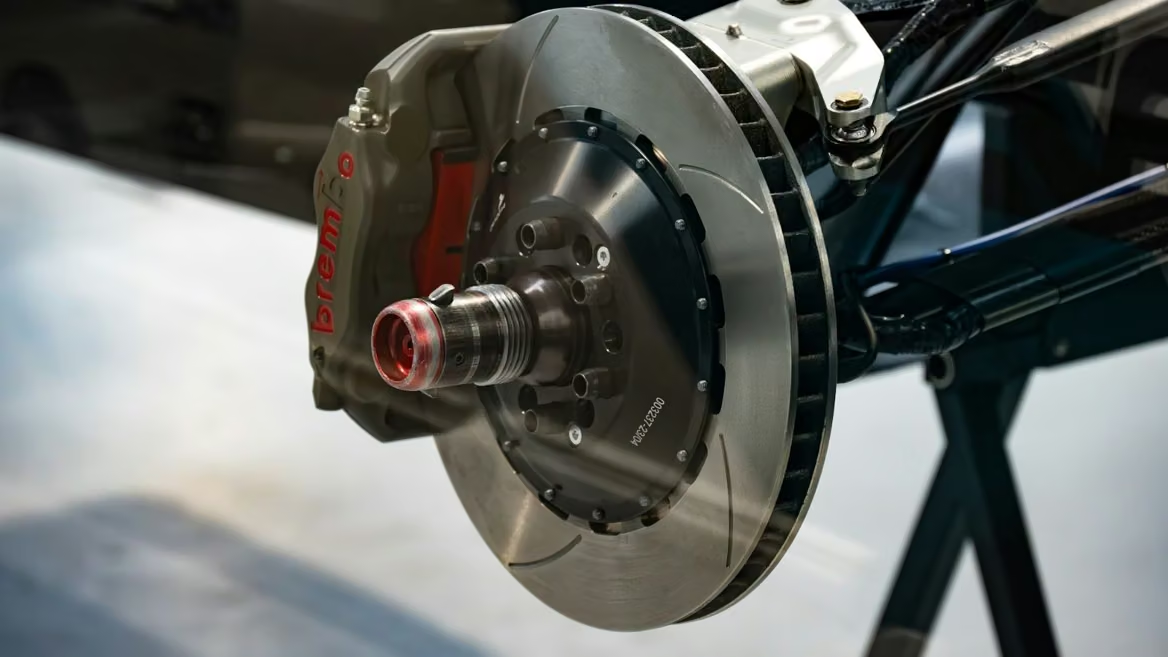
Hurt in a crash you think a failed car part caused or made worse? Tell us your story.
When a part fails on the road, the results can be devastating. CBW Law reviews what failed, whether the vehicle or part was recalled, and who designed, built or sold it. Tell Us Your Story. Contacting us does not create an attorney-client relationship.
Topics
Vehicle defect topics
Three kinds of vehicle defects with their own pages.
-
Advanced Driver Assistance System Failures
Automatic emergency braking, lane keeping and adaptive cruise control that failed or acted unexpectedly.
-
Airbag Defects
Exploding inflators, air bags that did not deploy and unexpected deployments.
-
Tire Defects & Tread Separation
Tread separation, blowouts and tire recalls, and how investigators tell a defect from wear.
Cars are built from thousands of parts made by many companies. When a brake line, steering part, fuel system, air bag or tire fails, a crash can follow, or a survivable crash can become a catastrophic one. A defect is not the same as wear or bad luck, and a crash alone does not prove a part was defective. A defective auto parts lawyer looks at the vehicle, its recall history and the crash data to find out what happened.
What counts as a vehicle safety defect
Federal law defines motor vehicle safety as protection against unreasonable risk of crashes caused by a vehicle's design, construction or performance, and against unreasonable risk of death or injury in a crash1. A safety defect is a problem with a vehicle or its equipment that creates that kind of risk. Not every breakdown qualifies. A part that wears out after years of normal use, or a repair done badly by a shop, is a different problem from a part that was designed or built wrong.
Defect claims usually involve parts whose failure can cause a crash or make a crash worse:
- Brakes, brake lines and anti-lock braking components
- Steering, suspension and axle parts
- Fuel system parts that can leak or catch fire
- Electrical faults, including wiring fires and loss of power
- Seat belts, seats, latches and door locks
- Air bags and their inflators
- Tires and wheels
- Driver assistance software and sensors
Three topics have their own pages because they come up often and raise their own questions: driver assistance system failures, air bag defects and tire defects and tread separation.
Why vehicle defect lawsuits are filed
A product liability lawsuit over a car part generally claims that the part was defective in its design, its manufacture or its warnings, and that the defect caused the crash or the injuries2. Some claims say the part caused the crash. Others say the crash was going to happen anyway, but a defect made the injuries worse, for example a seat that collapsed or a fuel tank that leaked. Lawyers often call this a crashworthiness claim.
Vehicle defects at a glance
- Regulator
- NHTSA, which sets safety standards and oversees recalls3.
- Reporting
- Manufacturers must report a safety defect to NHTSA within 5 working days of determining it4.
- Recall repairs
- Free, with limits for vehicles first sold more than 15 years before the recall5.
- Who decides fault
- A court, based on the evidence in each case. A recall is not a finding of fault.
Recalls, investigations and what they show
Most vehicle recalls start with the manufacturer, not the government3. NHTSA also reviews owner complaints and can open an investigation, which may end in a recall or close without one3. When a recall is issued, the manufacturer must offer a free repair, replacement or refund, but the free-remedy requirement does not apply to a vehicle first sold more than 15 years before the recall notice5.
NHTSA's VIN lookup shows unrepaired recalls on a specific vehicle. It does not list repaired recalls, recalls more than 15 years old, some recalls by small manufacturers, or very new recalls for which VINs have not been added yet3.
Defect or something else? How a crash is investigated
Crashes usually have more than one cause. An investigation looks at the vehicle, the road, the weather, the drivers and the maintenance history together. In a defect case, the questions include:
- Which part failed, and when in the crash sequence it failed
- Whether the part was original, replaced, aftermarket or recently repaired
- Whether the failure matches a known recall, investigation or complaint pattern
- What the vehicle's event data recorder captured before and during the crash
- Whether wear, damage or poor maintenance could explain the failure instead
Event data recorders store short snapshots of data around a crash, such as speed and braking. NHTSA has adopted expanded pre-crash recording requirements that phase in starting September 1, 20286. Data can be overwritten or lost when a vehicle is repaired or salvaged, which is why the vehicle itself is often important evidence.
Injuries in vehicle defect cases
- Head and brain injuries
- Spinal cord injuries and fractures
- Burns from fuel or electrical fires
- Injuries from air bag inflator fragments
- Crush injuries after a rollover or roof collapse
- Fatal injuries, which may lead to a wrongful death claim
See also our pages on car accidents, traumatic brain injury and wrongful death. A crash claim against another driver and a defect claim against a manufacturer can exist side by side.
Who may have a vehicle defect claim
A review considers:
- The year, make, model and VIN of the vehicle
- What failed and how the crash happened
- Whether the vehicle is still available and unaltered
- Any recall notice, repair or dealer visit for the problem
- The injuries and the medical records
- Where the crash happened and when
Who may be responsible
Depending on the evidence, a vehicle defect claim may involve businesses anywhere in the chain of distribution2:
- The vehicle manufacturer
- The maker of the part or component
- A supplier of replacement or aftermarket parts
- A dealer that sold the vehicle or failed to complete a recall repair
- A repair shop, when its work caused the failure
Filing deadlines for vehicle defect lawsuits
Each state sets its own deadline. Examples:
- Arizona: generally two years for personal injury and wrongful death7.
- California: two years for personal injury or death caused by another's wrongful act or neglect8.
- New York: three years for personal injury9.
- Texas: two years for personal injury and wrongful death10, and most product liability claims must be brought within 15 years of the product's sale11.
Other rules can apply, such as special notice rules when a government vehicle or road is involved, or rules for minors. A crash also raises insurance deadlines that run on their own clock. Ask a product liability attorney to check your state's rules early.
Evidence that matters after a vehicle crash
Records and evidence to keep
The vehicle
- Where the vehicle is now (tow yard, insurer, salvage)
- Photos you already have of the damage and interior
- The VIN and any recall letters
The crash
- The police crash report
- Names of witnesses
- Dashcam or phone video, if any
Your records
- Medical records and bills
- Repair and maintenance receipts
- Insurance claim letters
What happens after you contact CBW Law
How a vehicle defect review works
-
You tell us what happened
Share the vehicle, the date, the place and how you were hurt.
-
We check the vehicle's history
We look up recalls, investigations and complaints for that model.
-
We review the records
With your permission, we gather the crash report, medical records and vehicle information.
-
We explain what we see
We tell you plainly whether a defect claim may be possible and which deadlines apply.
A crash is not proof of a defect. The answer comes from the vehicle, the data and the records, and they need to be preserved early.
Plain English
Medical, Health & Insurance
Vehicle defect cases mix engineering, medical and insurance terms.
Vehicle terms
Health terms
- Traumatic brain injury
- Damage to the brain from a blow or jolt to the head.
- Spinal cord injury
- Damage to the spinal cord that can cause loss of movement or feeling.
Claim and insurance terms
- Recall
- A manufacturer's action to fix a safety defect, offered free within legal limits5.
- Spoliation
- The loss or destruction of evidence, which can hurt a case.
- Total loss
- When an insurer decides a vehicle is not worth repairing and takes it for salvage.
Questions
Frequently asked defective auto parts questions
Short answers to the questions people ask first.
Can I sue a car manufacturer for a defective part?
Sometimes. A defective auto parts lawsuit generally has to show that the part was defective and that the defect caused the crash or made the injuries worse2.
My car was recalled. Does that mean I have a claim?
Not by itself. A recall shows a safety problem in certain vehicles. A lawyer still needs to connect that problem to your crash and your injuries.
What if the part was never recalled?
A part does not have to be recalled to be defective. Investigations, complaints and expert inspection can all show a defect.
Should I keep the car?
If you think a part failed, try to keep the vehicle from being repaired or scrapped until it can be inspected, and tell your insurer in writing. Do not take the part apart yourself.
Are recall repairs free?
Usually. Manufacturers must remedy recalled defects without charge, but not for vehicles first sold more than 15 years before the recall notice5.
Can I have a claim against the other driver and the manufacturer?
Yes. A crash can involve both a negligent driver and a defective part. Each claim is evaluated separately.
How long do I have to file a defective auto parts lawsuit?
What does a defective auto parts attorney at CBW look at first?
The vehicle, the part that failed, the recall history for that model, the crash report and your medical records.
How much does it cost to talk to a defective auto parts lawyer at CBW?
Telling us your story costs nothing, and contacting us does not create an attorney-client relationship.
Tell Us Your Story
Vehicle defect cases depend on evidence that can disappear quickly, especially the vehicle itself.
Tell us what happened. CBW Law will review your information and explain what we see. Submitting information does not establish an attorney-client relationship or guarantee representation.
Tell Us Your Story Call (800) 476-2416
This page is general information about defective vehicle parts. It is not legal or engineering advice and does not create an attorney-client relationship. A crash, a recall or a complaint does not, by itself, establish that a part was defective or that anyone is legally responsible. Laws and deadlines differ by state, and no outcome can be promised.