Case type Product Liability
Household Appliance Fires
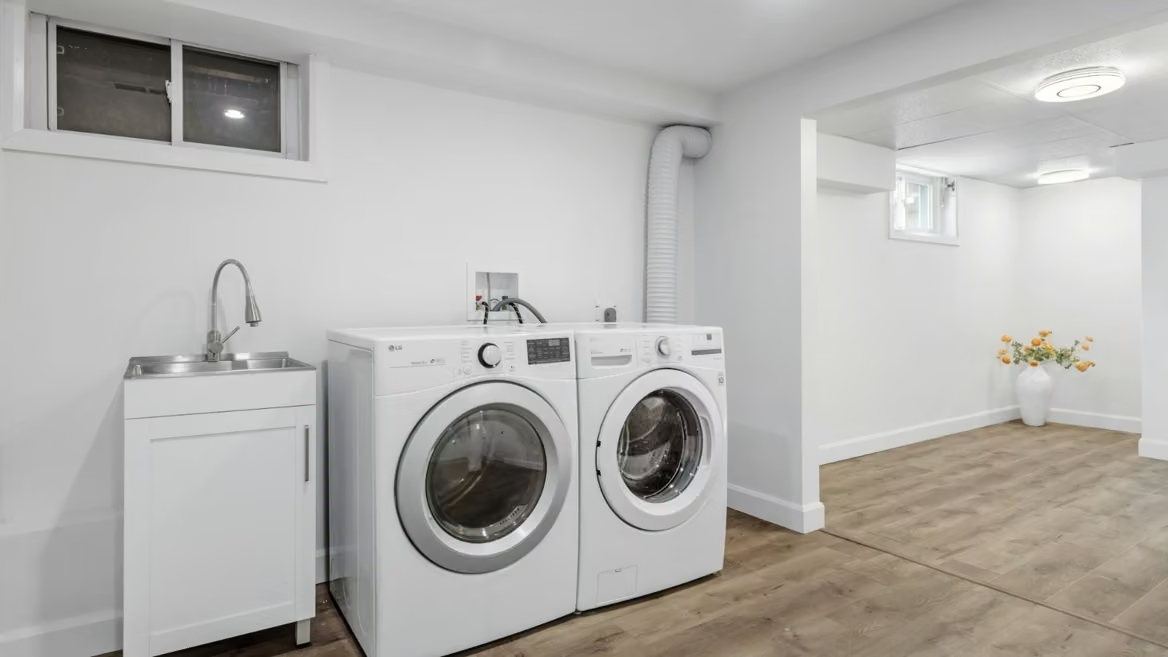
Hurt, or was your home damaged, in a fire that started in an appliance? Tell us your story.
When a dryer, refrigerator or other appliance starts a fire, the cause can be hard to see. CBW Law reviews the fire investigation, the appliance and its recall history. Tell Us Your Story. Contacting us does not create an attorney-client relationship.
A home appliance should not start a fire. When a dryer, refrigerator, dishwasher or other appliance does, the result can be burns, smoke injuries, a lost home or a death. A fire alone does not prove a defect, because installation, maintenance and other sources can also cause fires. An appliance fire lawyer looks at the fire investigation, the model's recall history and the appliance itself.
Appliances that can start fires
Electrical and appliance fires are a significant source of home fires. The U.S. Fire Administration estimates there were 24,200 residential building electrical fires in 2021, causing 295 deaths, 900 injuries and more than $1.2 billion in property loss1. Fires involving appliances can start in:
- Clothes dryers
- Refrigerators and freezers
- Dishwashers
- Ranges, ovens and microwaves
- Space heaters and portable heaters
- Small appliances such as toasters, air fryers and coffee makers
Fires that start in a lithium-ion battery, such as in an e-bike or power tool, are covered on our lithium-ion battery fires page.
Defect, installation or maintenance?
A fire alone does not show that an appliance was defective. Investigators consider several possible causes:
| Possible cause | Examples |
|---|---|
| Design or manufacturing defect | Faulty wiring, components that overheat, failed safety controls |
| Installation | Improper venting, wrong electrical connection, use of an extension cord with a major appliance1 |
| Maintenance | Lint buildup in dryers; failure to clean was the leading factor in home dryer fires from 2018 to 20201 |
| Use | Items left on a cooktop, blocked vents |
| Other sources | Building wiring, other devices nearby |
More than one cause can be true. A dryer can have a design that lets lint reach the heating element and also have a clogged vent. Fire investigators work to find where the fire started and what ignited it.
Appliance recalls
Appliance recalls are announced through CPSC. A recall applies only to the brand and model numbers named in the notice, sometimes limited to certain manufacturing dates2. The model and serial number plate, usually inside a door or on the back, is how a recall is matched to a particular appliance. Remedies may be a repair, replacement or refund, depending on the recall2.
Why appliance fire lawsuits are filed
An appliance fire claim generally argues that a defect in the appliance's design, manufacture or warnings caused the fire and the resulting injuries or losses3. Claims can involve personal injury, wrongful death and property damage. Homeowners insurers often pursue manufacturers after paying a fire claim, which is separate from an injured person's own claim.
Injuries and losses
- Burns
- Smoke inhalation
- Injuries during escape
- Fatal injuries
- Destroyed homes and belongings
- Displacement costs
CPSC says more than 2,200 people die each year in unintentional home fires, and a working smoke alarm can cut the risk of dying in a home fire by almost half4. See also our page on severe burn injuries.
Who may have a claim
- The appliance's brand, model and serial number
- Where the fire department found the fire started
- How the appliance was installed and maintained
- Any recall or service bulletin for the model
- The injuries, losses and insurance claim
Who may be responsible
- The appliance manufacturer
- The maker of a failed component
- The installer
- The retailer or service company
Filing deadlines for appliance fire claims
Injury, death and property damage claims follow state deadlines. For example, Arizona generally allows two years for injury and for damage to property5, California two years for personal injury6, New York three years for personal injury7, and Texas two years for personal injury and property damage8, with most product claims limited to 15 years after sale9.
Records after a fire
What to gather
Official
- The fire department report
- Insurance adjuster contacts and claim number
- Photos already taken by you or investigators
The appliance
- Brand, model and serial number, if known
- Purchase and installation records
- Repair and service records
Injury and loss
- Medical records
- Inventory of damaged property
- Temporary housing receipts
What happens after you contact CBW Law
How an appliance fire review works
-
You tell us what happened
Share the appliance, the date and what you saw.
-
We check the model
We look for recalls, complaints and investigations.
-
We review the records
With your permission, we gather fire reports and insurance records.
-
We explain what we see
We tell you plainly whether a claim may be possible and which deadlines apply.
Where a fire started and what started it are questions for careful investigation, not assumptions.
Plain English
Medical, Health & Insurance
Terms you may see after an appliance fire.
Fire terms
- Origin and cause
- An investigator's finding of where a fire started and what ignited it.
- Model and serial number
- The identifiers on an appliance's data plate used to match recalls.
Health terms
- Smoke inhalation injury
- Damage to the airways or lungs from breathing smoke and hot gases.
- Partial-thickness burn
- A burn that damages the outer and part of the inner skin layer.
Insurance terms
- Subrogation
- An insurer's effort to recover what it paid from the party that caused the loss.
- Additional living expenses
- Coverage for extra costs while a home cannot be lived in.
Questions
Frequently asked appliance fire questions
Short answers to the questions people ask first.
How do I know if my appliance was recalled?
Match the brand and model numbers to CPSC recall notices; a recall covers only the models named2.
Does a fire mean the appliance was defective?
No. Installation, maintenance and other sources can cause fires. The investigation decides where the fire started and why.
My insurance paid. Can I still bring an appliance fire lawsuit?
Possibly. Your insurer may pursue the manufacturer for what it paid, and you may have losses or injuries insurance did not cover.
Should I keep the appliance?
Ask your insurer to preserve it and the area around it, and do not move or test it yourself.
What if the dryer vent was clogged?
Lint buildup is a leading factor in dryer fires1, but the design may still matter. Each case depends on the evidence.
Who investigates appliance fires?
Fire departments, insurers' investigators and, in some cases, independent experts.
How long do I have to file an appliance fire lawsuit?
It depends on the state. Arizona generally allows two years for injury and property damage5.
What does an appliance fire attorney at CBW look at first?
The fire report, the appliance and its recall history, and the injuries and losses.
How much does it cost to talk to an appliance fire lawyer at CBW?
Telling us your story costs nothing, and contacting us does not create an attorney-client relationship.
Tell Us Your Story
Appliance fire evidence can be cleared away quickly after a fire.
Tell us what happened. CBW Law will review your information and explain what we see. Submitting information does not establish an attorney-client relationship or guarantee representation.
Tell Us Your Story Call (800) 476-2416
This page is general information about household appliance fires. It is not legal or fire investigation advice and does not create an attorney-client relationship. A fire or a recall does not, by itself, establish that an appliance was defective or that anyone is legally responsible. Laws and deadlines differ by state, and no outcome can be promised.