Case type Defective Auto Parts
Advanced Driver Assistance System Failures
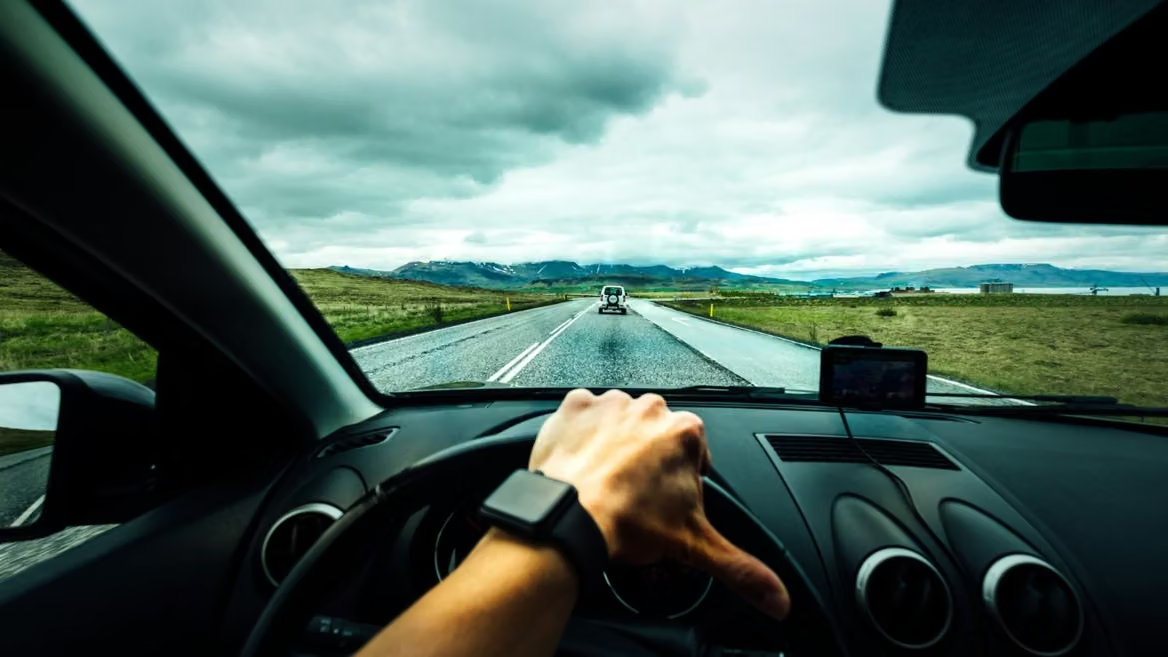
Hurt in a crash where automatic braking, lane keeping or a similar system failed? Tell us your story.
Driver assistance systems are supposed to help a careful driver. When one brakes for nothing, misses a real hazard or steers the wrong way, CBW Law reviews what the system did and what the manufacturer knew. Tell Us Your Story. Contacting us does not create an attorney-client relationship.
Advanced driver assistance systems, often called ADAS, can warn a driver, brake on their own or help steer. They are not self-driving, and the driver remains responsible for the vehicle. But when a system brakes for no reason, misses a hazard it was built to detect, or makes it too easy for a driver to stop paying attention, the design itself can become part of the case. An ADAS lawyer looks at what the system did, the vehicle's data and the manufacturer's recall history.
What driver assistance systems do
Driver assistance systems use cameras, radar and software to warn the driver or to brake or steer for a moment. NHTSA groups them into warning systems, such as forward collision warning and lane departure warning, and intervention systems, such as automatic emergency braking, lane keeping assistance, lane centering and adaptive cruise control1. Different manufacturers give the same feature different brand names1.
- Automatic emergency braking: applies the brakes when a forward crash is imminent1.
- Pedestrian automatic emergency braking: brakes for a pedestrian ahead1.
- Adaptive cruise control: adjusts speed to keep a set distance from the car ahead1.
- Lane keeping and lane centering: steer to keep the vehicle in its lane1.
- Blind spot intervention: brakes or steers to prevent a lane change into another vehicle1.
Driver assistance is not self-driving
Even the most advanced driving automation sold to consumers today requires the driver's full engagement and attention2. Systems that control both steering and speed at the same time are called Level 2 systems. They still require the driver to stay fully engaged at all times3.
That matters in a lawsuit. A claim usually does not argue that the driver had no duty to watch the road. It argues that the system did something it should not have done, failed to do what it was designed to do, or was designed or marketed in a way that made misuse predictable.
Why ADAS lawsuits are filed
Claims involving driver assistance systems generally fall into a few groups:
- Phantom braking: the system brakes hard when nothing is there
- Failure to brake or warn when a real obstacle is ahead
- Steering into another lane, a barrier or off the road
- Weak driver monitoring that lets a driver stop paying attention
- Warnings or marketing that overstate what the system can do
Federal investigators have described these issues in real cases. In a 2018 Mountain View, California crash, the NTSB found the probable cause was the vehicle's Autopilot system steering into a highway gore area because of system limitations, together with the driver's distraction and overreliance on the system. It also found that ineffective monitoring of driver engagement contributed4. In December 2023, Tesla recalled about 2 million vehicles because, in some circumstances, Autosteer's controls might not be enough to prevent driver misuse5.
What regulators require and track
Federal oversight at a glance
- Crash reporting
- Manufacturers must report certain crashes when a Level 2 system was in use within 30 seconds before the crash3.
- AEB standard
- NHTSA adopted FMVSS No. 127 in 2024, requiring AEB and pedestrian AEB on new light vehicles6.
- Rule changes
- Parts of the AEB rule have been the subject of petitions for reconsideration and a delayed amendment7.
- Data limits
- NHTSA cautions that crash reports have limitations and some were misclassified3.
A crash report under NHTSA's Standing General Order shows that a system was reportedly in use near the time of the crash. NHTSA notes the data has important limitations3. A report is not a finding that the system caused the crash.
Injuries in driver assistance crashes
- Rear-end crash injuries from sudden braking, including neck and back injuries
- Head and brain injuries
- Injuries to pedestrians and cyclists
- Fractures and internal injuries in high-speed crashes
- Fatal injuries
Who may have an ADAS claim
A review looks at:
- The vehicle and which driver assistance features it has
- Which feature was on, and what the vehicle did
- The software version and any over-the-air updates or recalls
- Vehicle data, dashcam or phone video, and witness accounts
- The road, weather and lighting conditions
- The injuries and medical records
A driver, a passenger, another motorist or a pedestrian hit by the vehicle may each have a different kind of claim.
Who may be responsible
- The vehicle manufacturer
- The supplier of the sensors, cameras or software
- Another driver whose conduct contributed
- A road authority, when a road hazard contributed
Product liability claims can reach businesses throughout the chain of manufacture and sale8.
Filing deadlines for driver assistance claims
Driver assistance cases follow ordinary state deadlines for injury and product claims. Examples:
- Arizona: generally two years for personal injury and wrongful death9.
- California: two years for personal injury or death caused by another's wrongful act or neglect10.
- New York: three years for personal injury11.
- Texas: two years for personal injury and wrongful death12, and most product liability claims must be brought within 15 years of the product's sale13.
Other rules can apply, such as special notice rules when a government vehicle or road is involved, or rules for minors. A crash also raises insurance deadlines that run on their own clock. Ask a product liability attorney to check your state's rules early.
Records that help explain a crash
What to gather
Vehicle data
- The VIN and software version, if known
- Screenshots of system settings or alerts
- Dashcam or phone video
Crash records
- The police crash report
- Photos already taken at the scene
- Names of witnesses
Your records
- Medical records and bills
- Recall or software update notices
- Insurance claim letters
Government investigation reports can explain what happened, but federal law bars using NTSB accident reports as evidence in a civil damages lawsuit14. That is one reason the vehicle and its data need to be preserved for independent review.
What happens after you contact CBW Law
How an ADAS crash review works
-
You tell us what happened
Describe the vehicle, the feature in use and what it did.
-
We check the vehicle's record
We look for recalls, software updates, investigations and complaints for that system.
-
We review the evidence
With your permission, we gather crash reports, data and medical records.
-
We explain what we see
We tell you plainly whether a claim may be possible and which deadlines apply.
A system being switched on does not mean it caused a crash. The data, the software history and the scene tell the story.
Plain English
Medical, Health & Insurance
Terms you may see in a driver assistance case.
System terms
- ADAS
- Advanced driver assistance systems: features that warn the driver or briefly brake or steer.
- Level 2
- A system that controls both steering and speed while the driver stays fully engaged3.
- Phantom braking
- Sudden, unexpected braking when there is no real obstacle.
- Over-the-air update
- A software change sent to a vehicle remotely, sometimes as a recall remedy5.
Health terms
- Whiplash
- Neck injury from the head being thrown forward and back.
- Concussion
- A mild traumatic brain injury from a blow or jolt to the head.
Claim terms
- Standing General Order
- NHTSA's requirement that manufacturers report certain crashes involving Level 2 systems3.
- Comparative fault
- A rule in many states that divides responsibility among everyone whose conduct contributed.
Questions
Frequently asked driver assistance system questions
Short answers to the questions people ask first.
Is a car with driver assistance self-driving?
No. Even the most advanced systems sold to consumers require the driver's full attention2.
Can I file an ADAS lawsuit if I was the driver?
Possibly. A claim can argue that the system behaved in a way it should not have, or that its design made misuse predictable, even when the driver also made mistakes.
Does a crash report to NHTSA prove the system failed?
No. A report shows the system was reportedly in use near the time of the crash, and NHTSA notes the data has limitations3.
Has any driver assistance system been recalled?
Yes. For example, Tesla recalled about 2 million vehicles in December 2023 over Autosteer controls5. Whether a recall relates to your crash depends on the facts.
What is phantom braking?
Sudden braking when no real obstacle is present. It can cause rear-end crashes. Whether it supports a claim depends on the vehicle, the data and the circumstances.
Can a pedestrian hit by a car using ADAS bring a claim?
A pedestrian may have claims against the driver and, depending on the evidence, against the manufacturer.
How long do I have to file an ADAS lawsuit?
What does an ADAS attorney at CBW look at first?
The vehicle, the feature that was in use, the software and recall history, the crash data and your injuries.
How much does it cost to talk to an ADAS lawyer at CBW?
Telling us your story costs nothing, and contacting us does not create an attorney-client relationship.
Tell Us Your Story
Driver assistance crashes depend on vehicle data and software records that can be overwritten or updated.
Tell us what happened. CBW Law will review your information and explain what we see. Submitting information does not establish an attorney-client relationship or guarantee representation.
Tell Us Your Story Call (800) 476-2416
This page is general information about driver assistance system failures. It is not legal or engineering advice and does not create an attorney-client relationship. A system being in use, a recall, an investigation or a crash report does not, by itself, establish that a system was defective or caused a crash. Laws and deadlines differ by state, and no outcome can be promised.