Case type Product Liability
Lithium-Ion Battery Fires & Explosions
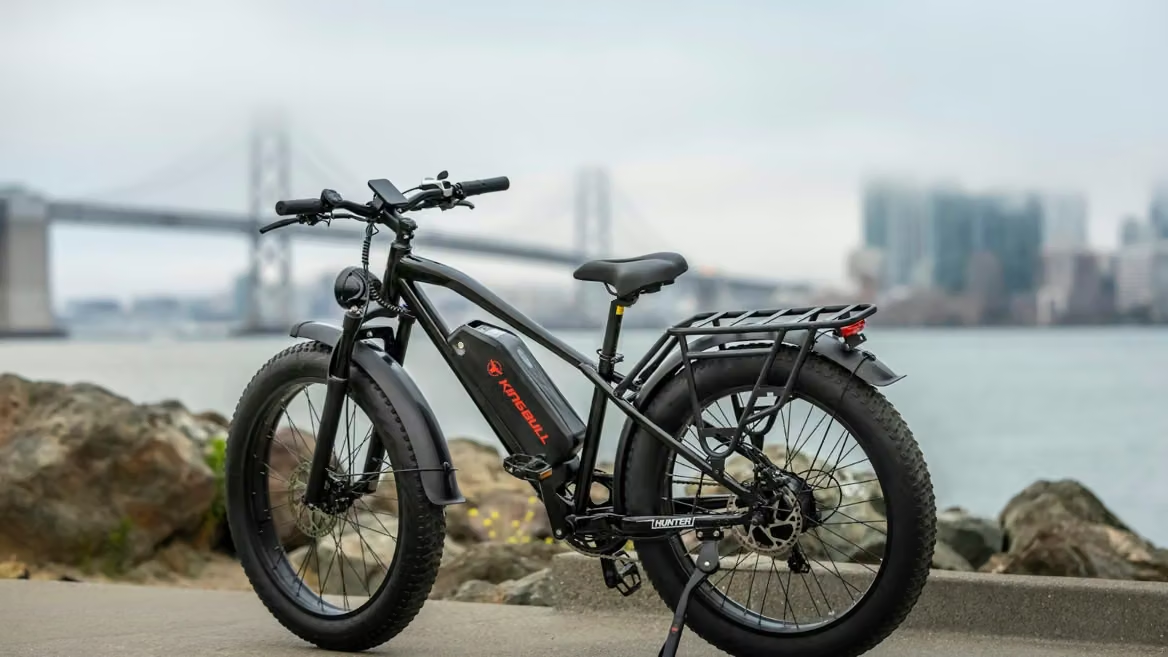
Hurt in a fire or explosion from an e-bike, scooter or other rechargeable battery? Tell us your story.
Rechargeable batteries are everywhere, and most work as intended. When one overheats, catches fire or explodes, CBW Law reviews the device, the charger, the seller and any recall. Tell Us Your Story. Contacting us does not create an attorney-client relationship.
Lithium-ion batteries power phones, tools, e-bikes and scooters. When a cell fails, it can overheat in a chain reaction called thermal runaway, leading to intense fire or explosion. Some failures trace to defective cells, designs or chargers; others to damage, the wrong charger or modified packs. A battery fire lawyer looks at the device, the charger, the seller and the fire investigation to find out what happened.
Where lithium-ion batteries are found
Lithium-ion batteries power phones, laptops, toothbrushes, power tools, cordless vacuums, power banks, toys, e-bikes, scooters and electric vehicles1. Most work without problems. When they fail, the fires can produce very hot jet flames that spread quickly and are hard to put out1.
How battery fires happen
The U.S. Fire Administration describes thermal runaway as a chain reaction of uncontrolled heating that can lead to fire or explosion2. Lithium-ion batteries contain volatile electrolytes that can release flammable gases when exposed to high heat or physical damage, and a battery fire can reignite after it seems to be out2. Conditions that can lead to failures include:
- Overcharging or overheating2
- Internal safety features that fail, or design flaws1
- Unsafe chargers without overcurrent or thermal protection1
- Physical damage, aging and water exposure21
- Modified packs, or packs rebuilt with used cells3
E-bikes, scooters and hoverboards
CPSC says many lithium-ion battery home fires and deaths have happened at night while batteries were charging and families were asleep3. In June 2026, CPSC proposed a mandatory safety standard for lithium-ion batteries used in micromobility products, citing the risk of death and injury from thermal runaway4. It held a public comment meeting on October 21, 20265. A proposed rule is not yet a requirement.
Micromobility batteries at a glance
Defect or something else?
Battery fires can come from a defective cell or pack, a poor design, a charger without protections, or from damage, the wrong charger or a modified pack. Many cases involve a product sold online by a company that is hard to identify. Investigators look at the device, the charger, the remains of the battery and the fire department's findings.
Why battery fire lawsuits are filed
A product liability claim generally argues that a battery, device or charger was defective in its design, manufacture or warnings, and that the defect caused the fire6. Claims can include injuries, deaths and property losses.
Injuries and losses
- Severe burns
- Smoke and toxic gas inhalation
- Injuries during escape
- Fatal injuries
- Destroyed homes, vehicles and belongings
Who may have a claim
- The device's brand, model and where it was bought
- The charger used and where it came from
- Whether the battery or device was recalled
- Where the fire department found the fire started
- The injuries and losses
Who may be responsible
- The device maker
- The battery pack or cell maker
- The charger maker
- The importer or online seller
- A repair shop that modified the battery
Filing deadlines for battery fire claims
State deadlines apply. For example, Arizona generally allows two years for injury and property damage7, California two years for personal injury8, New York three years for personal injury9 and Texas two years10.
Records after a battery fire
What to gather
The device
- Brand, model and where it was bought
- The charger's brand and source
- Photos already taken
Official
- Fire department report
- Insurance claim information
Injury and loss
- Medical records
- Inventory of damaged property
What happens after you contact CBW Law
How a battery fire review works
-
You tell us what happened
Share the device, the charger and what happened.
-
We identify the product
We look for the maker, importer and any recall.
-
We review the records
With your permission, we gather fire and medical records.
-
We explain what we see
We tell you plainly whether a claim may be possible and which deadlines apply.
A battery fire can start in seconds. Finding out why takes the device, the charger and the investigation together.
Plain English
Medical, Health & Insurance
Terms you may see in a battery fire case.
Battery terms
- Thermal runaway
- A chain reaction of uncontrolled heating that can lead to fire or explosion2.
- Cell
- A single battery unit; a battery pack contains many cells.
- Micromobility
- Small electric vehicles such as e-bikes, e-scooters and hoverboards.
Health terms
- Inhalation injury
- Damage to the airways from smoke or toxic gases.
- Full-thickness burn
- A burn that destroys all layers of the skin.
Claim terms
- Importer
- The company that brought a foreign-made product into the U.S., which can be responsible for it.
- Proposed rule
- A draft regulation that is not yet in force, like CPSC's 2026 micromobility battery proposal4.
Questions
Frequently asked lithium-ion battery fire questions
Short answers to the questions people ask first.
What is thermal runaway?
A chain reaction of uncontrolled heating in a battery that can lead to fire or explosion2.
Is there a federal safety standard for e-bike batteries?
CPSC proposed one in June 20264. As of Nov. 10, 2026, it was still a proposal.
Does using a different charger end my claim?
Not necessarily, but the charger is important evidence. A claim may involve the charger maker too.
What if the product was bought online from an unknown company?
A claim may still be possible against the importer, seller or other businesses in the chain. Identifying them is part of the review.
Should I keep the burned battery?
No. Do not keep or handle a damaged battery11. Leave remains to investigators, and keep photos and receipts.
Can renters bring a battery fire lawsuit?
Yes, renters can have claims for injuries and their own property. Building owners may have separate claims.
How long do I have to file a battery fire lawsuit?
It depends on the state. New York allows three years for personal injury9.
What does a battery fire attorney at CBW look at first?
The device, the charger, where they came from, the fire report and the injuries.
How much does it cost to talk to a battery fire lawyer at CBW?
Telling us your story costs nothing, and contacting us does not create an attorney-client relationship.
Tell Us Your Story
Battery fire cases often depend on identifying who made and sold the device and the charger.
Tell us what happened. CBW Law will review your information and explain what we see. Submitting information does not establish an attorney-client relationship or guarantee representation.
Tell Us Your Story Call (800) 476-2416
This page is general information about lithium-ion battery fires. It is not legal or fire safety advice and does not create an attorney-client relationship. A fire, a recall or a proposed rule does not, by itself, establish that a battery was defective or that anyone is legally responsible. Laws and deadlines differ by state, and no outcome can be promised.