Product liability Product Liability
Defective Children’s Products
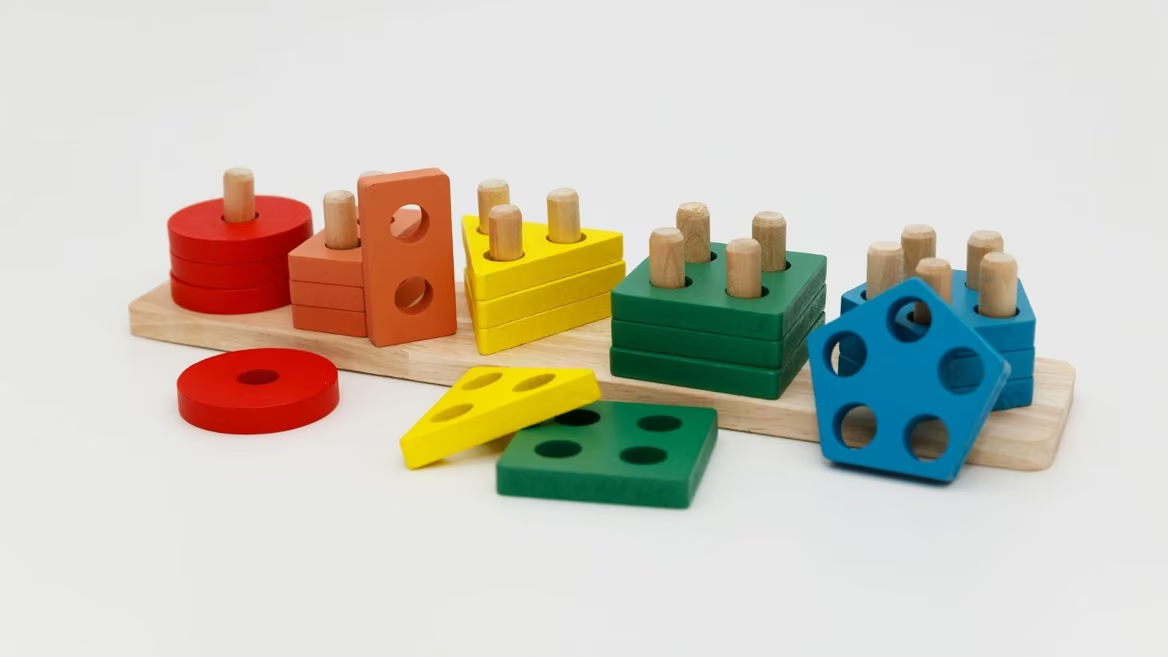
Was your child hurt by a toy, nursery product or other children's product? Tell us your story.
Products made for children are held to strict federal safety rules. When a toy, crib, carrier or other children's product hurts a child, CBW Law reviews the product, its recall history and what the law required. Tell Us Your Story. Contacting us does not create an attorney-client relationship.
Topics
Children's product topics
Infant sleep products have their own page.
-
Infant Sleep Product Deaths
Recalled inclined sleepers, loungers and other infant sleep products, and how these deaths are investigated.
Products made for children are supposed to meet stricter federal safety rules than most consumer goods. When a toy, high chair, stroller, crib or other product hurts a child, families deserve answers about what went wrong. An injury alone does not show that a product was defective, and a recall alone does not decide a claim. A children's product lawyer looks at the product, its age labeling and warnings, the federal rules that applied and any recall history.
What counts as a children's product
Under federal law, a children's product is a consumer product designed or intended primarily for children 12 or younger1. Children's products generally must meet federal children's product safety rules, be tested by a CPSC-accepted laboratory, have a written Children's Product Certificate, and carry permanent tracking information where practicable2.
Defect claims involving children's products often involve:
- Toys with small parts, magnets or loose button batteries
- Cribs, bassinets, play yards and other sleep products
- High chairs, strollers, carriers and walkers
- Furniture that tips over
- Children's sleepwear and costumes that can catch fire
- Riding toys, scooters and helmets
Infant sleep products have their own page, Infant Sleep Product Deaths, because the evidence and the questions are different.
Known hazards and federal rules
Children's product safety at a glance
- Toy injuries
- CPSC reported 11 deaths and an estimated 145,500 emergency room-treated injuries tied to toys for children 12 and under in 20223.
- Small parts
- Products for children under 3 with small parts that are a choking hazard are banned4.
- Button batteries
- A swallowed button battery can burn through a child's throat in as little as two hours5.
- Magnets
- Swallowed high-powered magnets can attract each other inside the body and may require surgery6.
CPSC says most of the toy-related deaths in its 2022 data were from choking or suffocation associated with small parts, balls or balloons3. Toys that use button or coin batteries must have a secure battery compartment that needs a screwdriver, coin or tool to open5.
Checking a recall
A CPSC recall covers only the specific brand and models named in the announcement, sometimes only units made in certain date ranges7. Recalls usually have no end date, and CPSC advises following the recall notice for that product7. Durable infant and toddler products, such as cribs, high chairs and strollers, come with product registration cards so manufacturers can reach families in a recall8.
Reports on SaferProducts.gov can show what other families have experienced, but CPSC does not guarantee the accuracy of information submitted by the public9. A report is a starting point, not proof of a defect.
Why children's product lawsuits are filed
A product liability claim generally argues that a product was defective in its design, manufacture or warnings, and that the defect caused the injury10. For children's products, claims often focus on whether the product was safe for the age it was marketed to, whether its warnings were adequate, and whether it met mandatory federal standards.
Not every injury involving a child's product means the product was defective. Investigators look at the product, its age and condition, how it was being used and whether it was assembled correctly.
Injuries in children's product cases
- Choking and airway obstruction
- Internal burns from swallowed button batteries
- Bowel injuries from swallowed magnets
- Head injuries from falls or tip-overs
- Burns from fires or flammable fabrics
- Fatal injuries
Who may have a claim
Parents or guardians usually bring claims for a child. A review considers:
- The product's brand, model, lot or date code, and where it was bought
- The child's age and how the product was being used
- Any recall, warning or registration card
- The medical records and the course of treatment
- Photos already taken of the product and the scene
Who may be responsible
- The manufacturer or importer
- The brand owner, if different
- Retailers and online marketplaces
- Distributors in the supply chain
Product liability claims can reach businesses throughout the chain of distribution10. Imported products sold online can raise extra questions about who the manufacturer or importer was.
Filing deadlines for children's product claims
State deadlines apply. Examples for adult injury claims:
- Arizona: generally two years for personal injury and wrongful death11.
- California: two years for personal injury or death caused by another's wrongful act or neglect12.
- New York: three years for personal injury13.
- Texas: two years for personal injury and wrongful death14, with most product claims limited to 15 years after the product's sale15.
When a child is injured, many states pause or extend some deadlines until the child turns 18, but a parent's own claims, such as for medical bills, and wrongful death claims may follow shorter timelines. These rules vary, so check early.
Records that help
What to keep
The product
- Brand, model and date or lot codes
- Packaging, instructions and warnings
- Registration cards and recall letters
Purchase
- Receipts or order confirmations
- The seller's name or online listing
The injury
- Medical records and bills
- Photos already taken
- Names of anyone who saw what happened
What happens after you contact CBW Law
How a children's product review works
-
You tell us what happened
Share the product, your child's age and what happened.
-
We identify the product
We check recalls, warnings and reports for that model.
-
We review the records
With your permission, we gather medical and purchase records.
-
We explain what we see
We tell you plainly whether a claim may be possible and which deadlines apply.
A child's injury is never a parent's failure to prevent the unforeseeable. The question is whether the product was as safe as the law requires.
Plain English
Medical, Health & Insurance
Terms you may see in a children's product case.
Product terms
- Children's Product Certificate
- A written certificate that a children's product meets the federal rules that apply to it2.
- Tracking label
- Permanent markings that identify where and when a children's product was made2.
- Small part
- An object that fits in CPSC's test cylinder, which approximates a young child's throat4.
Health terms
- Aspiration
- Breathing an object or liquid into the airway or lungs.
- Esophageal burn
- Damage to the food pipe, for example from a swallowed button battery5.
Claim terms
- Guardian
- An adult who brings a claim on a child's behalf, usually a parent.
- Settlement approval
- Many states require a court to approve a settlement for a minor.
Questions
Frequently asked children's product questions
Short answers to the questions people ask first.
How do I check if a children's product was recalled?
Search CPSC's recalls by brand and model, and compare date codes. A recall covers only the models named in the notice7.
Does a recall mean I have a claim?
Not by itself. A recall shows a safety problem in certain products. A children's product lawyer still has to connect it to your child's injury.
What if the product was bought secondhand?
A claim may still be possible. Secondhand products can be recalled products, so the model and date codes matter.
What if my child swallowed a battery or magnet?
Get emergency care immediately. CPSC lists the National Battery Ingestion Hotline at 800-498-86665.
Who brings a lawsuit for an injured child?
Usually a parent or guardian on the child's behalf. Many states require court approval of any settlement for a minor.
Can an online marketplace be responsible?
Sometimes. The answer depends on state law and on the marketplace's role in the sale.
How long do I have to file a children's product lawsuit?
Deadlines vary by state, and some are paused for minors. Parents' own claims may have shorter deadlines, so check early.
What does a children's product attorney at CBW look at first?
The product and its codes, the child's age, the warnings and labels, any recall and the medical records.
How much does it cost to talk to a children's product lawyer at CBW?
Telling us your story costs nothing, and contacting us does not create an attorney-client relationship.
Tell Us Your Story
When a product made for children hurts a child, families deserve clear answers.
Tell us what happened. CBW Law will review your information and explain what we see. Submitting information does not establish an attorney-client relationship or guarantee representation.
Tell Us Your Story Call (800) 476-2416
This page is general information about defective children's products. It is not legal or medical advice and does not create an attorney-client relationship. An injury, a recall or a consumer report does not, by itself, establish that a product was defective or that anyone is legally responsible. Laws and deadlines differ by state, and no outcome can be promised.