Case type Product Liability
Defective Tools & Power Equipment
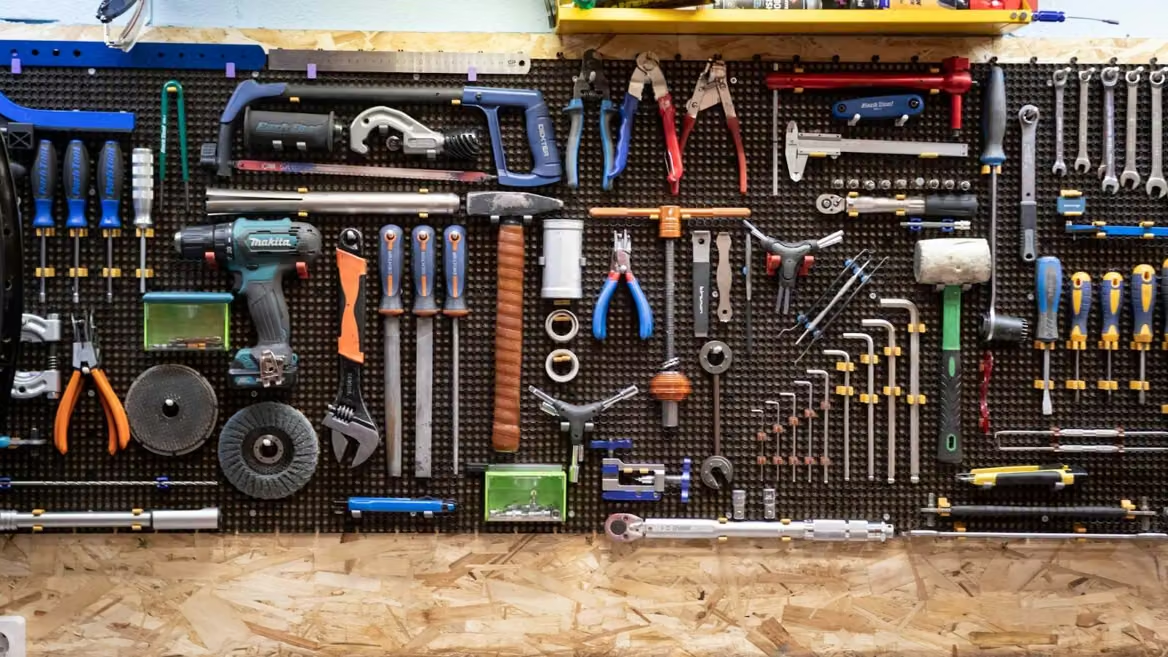
Hurt by a saw, grinder, nail gun, mower or other power tool? Tell us your story.
Power tools are built to cut, drill and drive, so their safety features matter. CBW Law reviews the tool, its guards and controls, and any recall. Tell Us Your Story. Contacting us does not create an attorney-client relationship.
Power tools are designed to be dangerous to wood, metal and stone, and safe for the people using them. When a guard fails, a switch sticks, a part flies apart or a battery overheats, serious injuries can follow. Not every tool injury means the tool was defective. A power tool lawyer looks at the tool, its safety features, its recall history and how the injury happened.
What these cases cover
This topic covers portable and consumer power equipment, at home or on the job:
- Saws: circular, table, miter and chain saws
- Grinders, sanders and drills
- Nail guns
- Lawn mowers, trimmers and leaf blowers
- Pressure washers and generators
- Cordless tools and their battery packs
Fixed industrial equipment is covered on our defective industrial machinery page.
How tool injuries happen
OSHA notes that hand and power tools can cause severe injuries when used or maintained improperly1. Product claims ask a different question: whether the tool was designed, built or labeled in a way that made a serious injury more likely than it needed to be. Examples that come up in tool claims:
- Blade guards that stick, break or do not return
- Switches or triggers that fail to stop the tool
- Kickback without adequate protection
- Parts that fly apart at speed
- Batteries or chargers that overheat
- Missing or unclear warnings
Not every kickback, broken blade or missing guard means a tool was defective. The tool's condition, accessories, maintenance and how it was being used all matter.
Recalls and model identifiers
Consumer tool recalls are announced through CPSC. A recall covers only the brand and models named, sometimes limited to certain date codes2. The model number, serial number and date code on the tool's label are how a recall is matched. Remedies can be a repair, replacement or refund2.
Cordless tools add a battery question. Power tool batteries are among the lithium-ion devices found in homes and garages3; battery fires are covered on our lithium-ion battery fires page.
Why power tool lawsuits are filed
A power tool lawsuit generally argues that a design, manufacturing or warning defect caused the injury4. A design claim may point to a safer design that was available. A warning claim may argue that the danger was not obvious and the label did not explain it.
Injuries in tool cases
- Lacerations and amputations
- Eye injuries
- Burns
- Hand and wrist injuries
- Puncture wounds from nail guns
Who may have a claim
- The tool's brand, model, serial number and date code
- Blades, bits or accessories in use
- Where and when the tool was bought
- How the tool was being used, at home or at work
- The injuries and medical records
If the injury happened at work, a product claim against the maker can exist alongside workers' compensation in some states5.
Who may be responsible
- The tool manufacturer
- The maker of a blade, battery or accessory
- The retailer or online seller
- A rental company that supplied the tool
Filing deadlines for power tool claims
State deadlines apply. Examples:
- Arizona: generally two years for personal injury and wrongful death6.
- California: two years for personal injury7.
- New York: three years for personal injury8.
- Texas: two years for personal injury9, with most product claims limited to 15 years after the product's sale10.
For work injuries in Arizona, a worker receiving workers' compensation who does not sue an outside party within one year may lose control of that claim to the insurer5.
These examples are not complete, and other rules can apply. A product liability attorney can check the rules for your state early.
Records that help
What to gather
The tool
- Brand, model, serial and date code
- Photos already taken
- Manual and packaging, if available
Purchase
- Receipts or rental agreement
- Recall notices
The injury
- Medical records
- Names of witnesses
- Incident report, if at work
What happens after you contact CBW Law
How a tool injury review works
-
You tell us what happened
Share the tool, what you were doing and how you were hurt.
-
We identify the tool
We check recalls and reports for that model.
-
We review the records
With your permission, we gather purchase and medical records.
-
We explain what we see
We tell you plainly whether a claim may be possible and which deadlines apply.
Tools are supposed to protect the people using them from foreseeable mistakes, not only from careful use.
Plain English
Medical, Health & Insurance
Terms you may see in a tool injury case.
Tool terms
- Kickback
- A sudden, forceful backward movement of a tool or workpiece.
- Blade guard
- A cover designed to shield the user from a cutting blade.
- Date code
- A code on a product label showing when it was made, used to match recalls.
Health terms
- Replantation
- Surgery to reattach an amputated finger or limb.
- Tendon laceration
- A cut to the tissue connecting muscle to bone.
Claim terms
Questions
Frequently asked power tool questions
Short answers to the questions people ask first.
How do I check if a tool was recalled?
Match the brand, model and date code to CPSC recall notices2.
Does kickback mean the tool was defective?
Not by itself. The question is whether the design and warnings reasonably protected against foreseeable kickback.
Can I bring a power tool lawsuit if I was hurt at work?
Possibly. A claim against the tool maker can exist alongside workers' compensation in some states5.
What if I was using a different brand's blade?
Accessories matter. The claim may involve the blade maker, the tool maker or both.
Should I keep the tool?
Set it aside safely without using or repairing it, keep photos and labels, and ask us before throwing it away. Do not keep damaged batteries.
What if I rented the tool?
A rental company may have duties to maintain and inspect the equipment.
How long do I have to file a power tool lawsuit?
It depends on the state. California generally allows two years for personal injury7.
What does a power tool attorney at CBW look at first?
The tool and its identifiers, the accessories, how the injury happened and your medical records.
How much does it cost to talk to a power tool lawyer at CBW?
Telling us your story costs nothing, and contacting us does not create an attorney-client relationship.
Tell Us Your Story
Tool injury cases depend on the tool's identifiers and condition, so keep the records.
Tell us what happened. CBW Law will review your information and explain what we see. Submitting information does not establish an attorney-client relationship or guarantee representation.
Tell Us Your Story Call (800) 476-2416
This page is general information about defective tools and power equipment. It is not legal advice and does not create an attorney-client relationship. An injury or a recall does not, by itself, establish that a tool was defective or that anyone is legally responsible. Laws and deadlines differ by state, and no outcome can be promised.