Case type Defective Auto Parts
Tire Defects & Tread Separation
Hurt in a crash after a tire blew out or its tread came apart? Tell us your story.
When a tire comes apart at speed, a driver can lose control in seconds. CBW Law reviews the tire, its age and history, and whether a defect may have caused the failure. Tell Us Your Story. Contacting us does not create an attorney-client relationship.
A tire failure at highway speed can turn into a rollover in seconds. Some failures come from defects in how a tire was designed or built. Others come from underinflation, overloading, age, road hazards or bad repairs, and many involve more than one cause. A tire defect lawyer starts with the tire itself, its identification number and its history.
What tread separation is
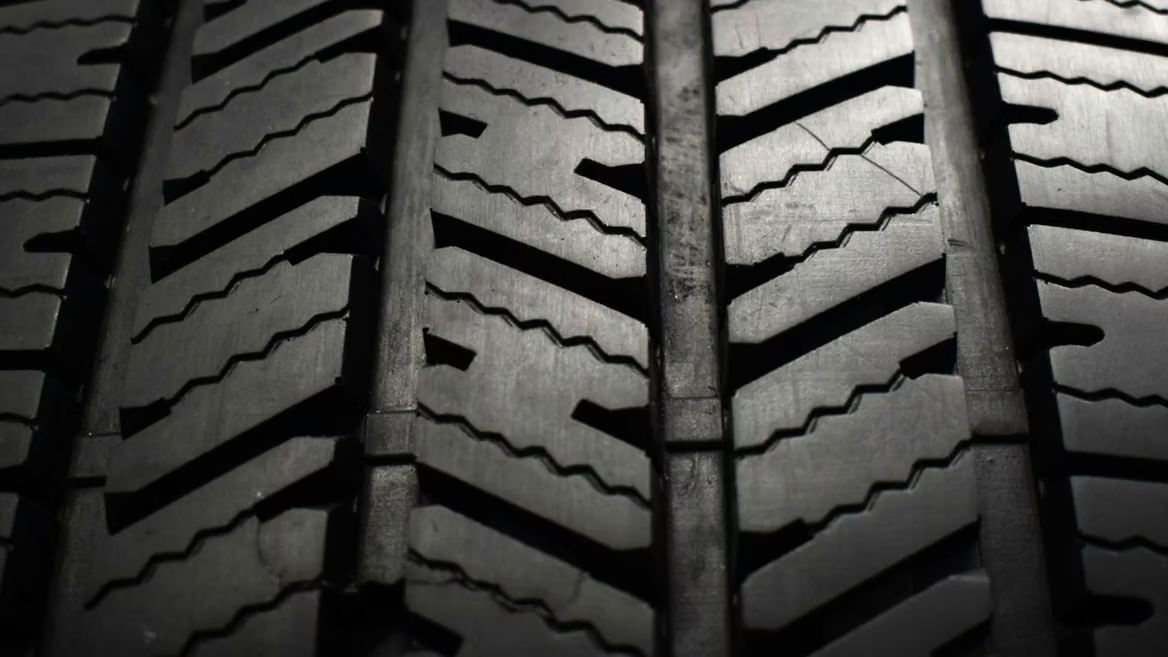
A tire is built in layers: rubber tread on the outside, steel and fabric belts underneath, and the casing that holds air. Tread separation happens when the tread and outer belt pull away from the rest of the tire. At highway speed it can cause sudden loss of control, especially in taller vehicles.
NHTSA says poor maintenance, such as underinflation and skipping tire rotations, can lead to a flat, a blowout or the tread coming off a tire1. Sustained high temperatures can also cause a tire to deteriorate, leading to blowouts and tread separation1. In 2024, 511 people died in tire-related crashes1.
Defect or maintenance? Why the cause matters
Not every tire failure is a defect. Investigators and experts look at whether the failure came from how the tire was made or from how it was used:
| Cause | What it can look like |
|---|---|
| Manufacturing defect | Poor bonding between layers, contamination or other flaws made at the factory |
| Design defect | A design that does not resist separation or heat as it should |
| Underinflation or overloading | Heat buildup and irregular wear1 |
| Road hazard | Punctures, cuts or impact damage from potholes or debris |
| Age | Rubber changes over time even with little use1 |
| Improper repair | A patch or plug done incorrectly |
Often more than one factor is in play. A tire with a manufacturing flaw may also have been underinflated. That is why the tire itself, and the pieces of tread, are important evidence.
Tire age and the TIN
Every tire carries a DOT Tire Identification Number, or TIN. Its last four digits show the week and year it was made: 0308 means the third week of 20081. The TIN may be on only one side of the tire1. NHTSA notes that some vehicle and tire manufacturers recommend replacing tires six to 10 years old regardless of tread, and that aging cannot be detected just by looking1.
Tire dealers must give buyers a way to register their tires with the manufacturer, using the TIN2. Registration is how manufacturers reach owners in a recall.
Tire recalls
Tires are recalled through NHTSA like vehicles are, and NHTSA's recall search covers tires by brand and line3. Recall remedies are free, but the free-remedy rule does not apply to tires first bought more than 5 years before the recall notice4. A tire that was never recalled can still be defective, and a recall does not prove that a specific failure came from the recalled defect.
Injuries in tire failure crashes
- Rollover injuries, including roof crush and ejection
- Head, neck and spinal injuries
- Fractures and internal injuries
- Injuries to people in other vehicles hit after a loss of control
- Fatal injuries
Who may have a tire defect claim
- The tire brand, size, line and full TIN
- Where and when the tire was bought, and whether it was registered
- The tire's age and repair history
- The vehicle and how it was loaded
- How the failure happened and the injuries that followed
Who may be responsible
- The tire manufacturer
- The vehicle manufacturer, in some design cases
- A seller that sold an old or recalled tire
- A shop that mounted or repaired the tire incorrectly
Product liability claims can reach businesses throughout the chain of manufacture and sale5.
Filing deadlines for tire defect lawsuits
Tire claims follow state injury and product liability deadlines, and some states also limit how long after a sale a product claim can be brought. Examples:
- Arizona: generally two years for personal injury and wrongful death6.
- California: two years for personal injury or death caused by another's wrongful act or neglect7.
- New York: three years for personal injury8.
- Texas: two years for personal injury and wrongful death9, and most product liability claims must be brought within 15 years of the product's sale10.
Other rules can apply, such as special notice rules when a government vehicle or road is involved, or rules for minors. A crash also raises insurance deadlines that run on their own clock. Ask a product liability attorney to check your state's rules early.
Keep the tire and the tread
Records and evidence to keep
The tire
- The failed tire and any pieces of tread, if they can be safely recovered by a tow operator or investigator
- The other tires on the vehicle
- Photos you already have
Purchase and service
- Tire receipts and registration cards
- Rotation, alignment and repair records
- The TIN, if recorded
The crash
- The police report
- Witness names
- Medical records
What happens after you contact CBW Law
How a tire defect review works
-
You tell us what happened
Share the vehicle, the tire and how the crash happened.
-
We identify the tire
We use the TIN and purchase records to check age and recalls.
-
We review the records
With your permission, we gather crash, service and medical records.
-
We explain what we see
We tell you plainly whether a claim may be possible and which deadlines apply.
A blowout is not automatically a defect. The tire itself, its age and its history decide the question.
Plain English
Medical, Health & Insurance
Terms you may see in a tire case.
Tire terms
Health terms
- Ejection
- Being thrown partly or fully out of a vehicle in a crash.
- Compression fracture
- A spinal bone that collapses under force.
Claim terms
Questions
Frequently asked tire defect questions
Short answers to the questions people ask first.
Is every blowout caused by a defective tire?
No. Underinflation, overloading, heat, age and road hazards can all cause failures1. The tire has to be examined.
How do I find out how old my tire is?
Read the last four digits of the TIN on the sidewall: week, then year1.
How do I know if my tires were recalled?
Search NHTSA's recall database by tire brand and line3, and register new tires so the manufacturer can reach you.
Are tire recall replacements free?
Usually, but the free-remedy rule does not cover tires first bought more than 5 years before the recall4.
What should I do with the failed tire?
Keep it, and any tread pieces, if they were safely recovered. Do not repair or throw them away. Never return to the roadway to collect them.
Can a shop be responsible for a tire failure?
Sometimes. Selling an aged tire or making an improper repair can contribute to a failure.
How long do I have to file a tire defect lawsuit?
What does a tire defect attorney at CBW look at first?
The tire and its TIN, purchase and service records, the vehicle, the crash report and your injuries.
How much does it cost to talk to a tire defect lawyer at CBW?
Telling us your story costs nothing, and contacting us does not create an attorney-client relationship.
Tell Us Your Story
Tire cases depend on the physical tire, which is too often thrown away after a crash.
Tell us what happened. CBW Law will review your information and explain what we see. Submitting information does not establish an attorney-client relationship or guarantee representation.
Tell Us Your Story Call (800) 476-2416
This page is general information about tire defects and tread separation. It is not legal or engineering advice and does not create an attorney-client relationship. A tire failure or a recall does not, by itself, establish that a tire was defective or that anyone is legally responsible. Laws and deadlines differ by state, and no outcome can be promised.