Case type Personal Injury
Traumatic Brain Injury
A crash, a fall or a blow to the head left you or someone you love with headaches, memory gaps or changes that are hard to explain. Tell us your story.
We hear from people with concussions and more serious brain injuries, and from the families caring for them, who want to know whether someone else's carelessness caused the harm. CBW Law reviews the medical records and the facts of the incident and explains what we find. Tell Us Your Story. Contacting us does not create an attorney-client relationship.
A traumatic brain injury can follow a car crash, a fall or a blow at work, and it does not always look serious at first. Some people feel better within weeks. Others live with changes in memory, mood or energy for much longer, and no one can say in advance which path a person will take. A brain injury, on its own, does not prove that anyone was at fault. What a traumatic brain injury lawyer looks at is how the injury happened, what the medical evaluation shows, and whether the evidence ties the harm to someone else's unsafe conduct.
How traumatic brain injuries happen
The National Institute of Neurological Disorders and Stroke (NINDS) describes a traumatic brain injury, or TBI, as a brain injury caused by an outside force. That force can be a hard bump, blow or jolt to the head or body, or an object that enters the brain5. Not every blow to the head causes a TBI, and the head does not have to strike anything5. CDC notes that a hit to the body can make the head and brain move quickly back and forth, and that this motion alone can cause a mild TBI or concussion1.
CDC reports that people most often get TBIs from falls, firearm injuries, motor vehicle crashes and assaults, and that falls lead to nearly half of TBI-related hospital stays3. In personal injury claims, the events we hear about most include:
- Car, truck, motorcycle and bicycle crashes, including rear-end impacts that snap the head forward and back
- Pedestrians struck in crosswalks, parking lots and driveways
- Falls on wet floors, broken stairs, uneven walkways or poorly lit property
- Falls from ladders, scaffolds or roofs on construction and work sites
- Being struck by falling objects, tools or loads
- Assaults at properties where security was lacking
Our pages on car accidents, slip, trip and fall injuries and construction site injuries cover those incidents in more detail. If the spine was also hurt, see spinal cord injury and paralysis. Our Arizona personal injury overview explains how claims work in general.
Concussion, moderate and severe TBI: what the terms mean
Doctors group TBIs as mild, moderate or severe3. Most TBIs each year are mild TBIs or concussions1. The word mild can mislead. CDC explains that providers use it because these injuries are usually not life-threatening, but that the effects of a mild TBI or concussion can still be serious1.
Moderate and severe TBIs may lead to long-term or lifelong health problems, and people with these injuries may need ongoing care such as rehabilitation services3. NINDS describes several kinds of damage, including bleeding in or around the brain (hematomas), bruising of brain tissue (contusions), skull fractures and diffuse axonal injury, which is widespread damage to the brain's white matter5. Some damage happens at once. Secondary injury can develop over hours, days or weeks after the event5.
Effects a brain injury can have on thinking, mood and daily life
CDC says concussion symptoms are different for each person and may change during recovery2. Some appear right away, while others do not show up for hours or days2. Commonly reported effects are physical, mental, emotional and sleep-related25:
- Headaches and dizziness
- Balance or vision problems
- Sensitivity to light or noise
- Fatigue and low energy
- Trouble concentrating
- Memory problems
- Feeling slowed down or foggy
- Irritability or anxiety
- Sadness or mood swings
- Sleeping more or less than usual
Recovery varies widely. CDC reports that most people with a mild TBI feel better within a couple of weeks, while some have symptoms for months or longer24. In the TRACK-TBI study, a large federally funded study of patients treated for mild TBI at U.S. level I trauma centers, 53% reported some injury-related limitation in daily function 12 months later, compared with 38% of patients with orthopedic injuries only7. NINDS notes that older adults are more likely than younger adults with the same injury severity to have lasting symptoms, and that recovery from a second or third concussion is generally slower5. None of these figures predicts how any one person will do.
CDC points out that a person may not recognize their own symptoms, and that problems can be overlooked by family members or even by health care providers2.
Emergency warning signs after a head injury
This is general information, not medical advice. CDC advises that people with a possible concussion need to be seen by a health care provider, and that anyone with danger signs should get emergency care right away1. CDC says the people checking on an adult should call 911 or take the person to an emergency department right away if the person2:
- Has a headache that gets worse and does not go away
- Has weakness, numbness, reduced coordination, convulsions or seizures
- Vomits repeatedly
- Has slurred speech or unusual behavior
- Has one pupil larger than the other
- Cannot recognize people or places, or becomes confused, restless or agitated
- Loses consciousness, looks very drowsy or cannot be woken up
For young children, CDC adds crying that cannot be soothed and refusing to nurse or eat2. CDC says providers should check for signs of TBI when an older adult has fallen or been in a car crash, especially if the person takes blood thinners, which may raise the risk of bleeding in the brain3.
Why a normal CT scan does not always rule out a brain injury
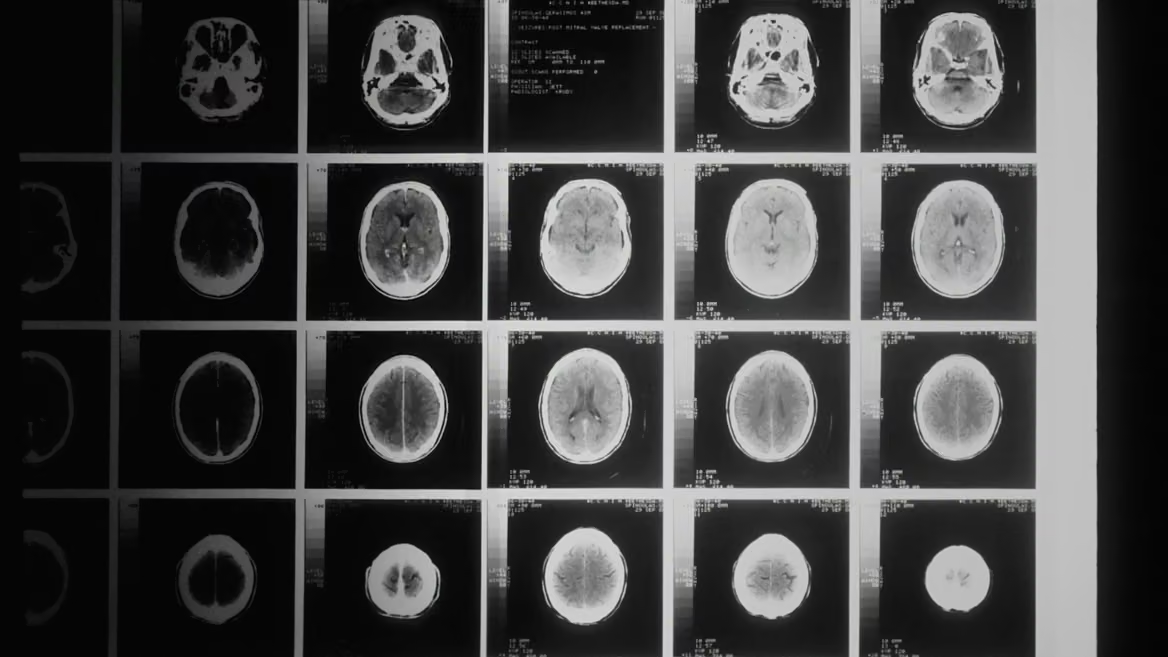
Imaging has real limits. NINDS explains that CT can show a skull fracture and bruising, bleeding or swelling of the brain, and that MRI is more sensitive and can pick up subtler changes a CT scan may miss5. Even so, the imaging, blood tests and other measures now in clinical use cannot always detect damage from mild, concussive injuries5.
What agencies and research say about imaging
- Scans and concussion
- CDC says a brain scan such as a CT is not needed to spot a concussion, but may be used when there is a risk of bleeding on the brain1.
- CT versus MRI
- In an earlier TRACK-TBI study of 135 people with mild TBI seen at three level I trauma centers, 27% of those with a normal head CT on admission had an abnormal brain MRI about 12 days after injury6.
- Testing thinking skills
- Tests of memory, concentration, processing speed and problem solving are often used alongside imaging after mild TBI5. CDC notes a person may still have a concussion even if it does not show on these tests1.
- Normal CT, ongoing problems
- In the TRACK-TBI study, 49% of mild TBI patients whose head CT showed no acute findings still reported some limitation in daily function 12 months after injury7.
The reverse is also true: symptoms alone do not make a diagnosis. Headaches, poor sleep, low mood and trouble focusing can have other causes, and CDC notes that concussion symptoms can be hard to sort out because they resemble other health problems2. A diagnosis rests on the full picture: how the injury happened, what was seen afterward, the clinical exam, any imaging and testing, and how symptoms changed over time. A sound brain injury claim is built the same way.
How fault is evaluated in a traumatic brain injury claim
A brain injury lawsuit is usually a negligence claim: did someone owe you reasonable care, fail to provide it, and cause your injury as a result? Each part needs proof.
Arizona uses pure comparative fault. If you are found partly at fault, your claim is not barred, but your damages are reduced by your share of fault11. Other states use different rules, and in some a person found partly at fault may recover less or nothing.
Who may be responsible for a brain injury
Responsibility is never presumed. Depending on the facts, a claim review may look at:
- A driver whose careless driving caused a crash, and possibly the driver's employer
- A property owner or manager who knew or should have known about a hazard
- A general contractor or subcontractor responsible for site safety
- The maker of a defective helmet, vehicle part or piece of equipment
- A business that failed to provide reasonable security
- A government agency responsible for a dangerous road or public property, under special notice rules
Evidence that connects a brain injury to the incident
The strongest claims link three things: what happened, what changed afterward, and what the medical evidence shows. These records help:
Records that help
The incident
- Police, crash or incident reports
- Photos and video of the scene
- Names and contact details of witnesses
- Damaged helmets, vehicles or equipment, kept as they are
Medical evaluation
- Ambulance and emergency room records
- Notes on loss of consciousness, confusion or memory gaps
- CT, MRI and other imaging reports
- Neurology, neuropsychology and therapy records
Changes in daily life
- Notes from family, friends and coworkers on changes they saw
- A dated symptom journal
- Work records showing missed time or lighter duties
- School records for a child
Witness observations matter more in brain injury cases than in many others. Paramedics may record that a person was dazed or kept repeating questions. A spouse may notice personality changes a doctor never sees. NINDS notes that new symptoms such as mood swings or irritability may be related to the injury even when they appear several weeks later5, so it helps to write changes down as they happen.
How ongoing needs are assessed after a brain injury
No two brain injuries follow the same course, so future needs are assessed person by person. NINDS notes that the size, severity and location of an injury all affect treatment and how quickly a person may recover5. In a claim, that assessment usually draws on:
- Treating doctors' notes on diagnosis, treatment and restrictions
- Repeat neuropsychological testing of memory, attention and processing speed
- Therapy records, including cognitive rehabilitation, which NINDS describes as an individualized training program5
- Work and school history before and after the injury
- What family members see about supervision, driving and daily tasks
- Where needed, opinions from rehabilitation or vocational specialists
Settling before the effects of a brain injury are understood can leave real needs out. That has to be weighed against the filing deadlines below.
When to talk to a brain injury attorney
Consider a legal review if a head injury came from a crash, a fall on someone else's property, a work site or an assault, and you or your family are dealing with symptoms that have not gone away. A brain injury attorney will usually ask about:
- How and where the incident happened, and who was involved
- What care you received, and when
- Whether you lost consciousness, felt dazed or have memory gaps
- How work, school, driving or relationships have changed
- Any earlier head injuries or health conditions
- What insurance may apply
- Which state's law applies and how much time remains
Filing deadlines for a brain injury lawsuit in Arizona
In Arizona, most personal injury lawsuits must be filed within two years after the cause of action accrues8. Claims against a city, county, state agency or public employee have much shorter limits. A written notice of claim generally must be filed within 180 days and must state a specific amount for which the claim can be settled9, and the lawsuit itself generally must be filed within one year10.
Brain injuries raise one more timing question. Arizona law says that if a person is under 18 or "of unsound mind" when the claim accrues, that period of disability does not count against the filing deadline12. Claims against public entities have their own notice rule for minors and incompetent persons9. Whether either rule applies after a particular brain injury is a fact-specific legal question, so no one should count on it without advice. Other states set different deadlines and exceptions. Video and vehicle data can disappear quickly, so it is wise to ask early.
A brain injury that does not show up on a scan can still change a life, and it deserves a careful look at the evidence.
What happens after you contact CBW Law
How a review works
-
You tell us what happened
Share when and where the injury happened and how life has changed since. A family member can reach out for you.
-
We collect the records
With your permission, we request medical, imaging and incident records and look for people who saw what happened.
-
We review the evidence
We look at how the injury happened, what the medical evidence shows, and whether it points to someone else's responsibility.
-
We explain what we found
We tell you whether the facts appear to support a claim, what questions remain and which deadlines apply.
Plain English
Medical, Health & Insurance
Brain injury records and insurance letters use terms that are easy to misread. These are some you may see.
Types of injury
- Concussion
- A type of mild TBI caused by a bump, blow or jolt to the head, or a hit to the body that moves the head quickly back and forth1.
- Hematoma
- Bleeding in or around the brain from a burst blood vessel. Epidural and subdural hematomas press on the outside of the brain5.
- Contusion
- Bruising or swelling of brain tissue. It can appear after a delay of hours to a day5.
- Diffuse axonal injury (DAI)
- Widespread damage to the brain's white matter, which can disrupt communication between nerve cells5.
- Post-concussion syndrome
- Concussion symptoms that last for weeks or longer5.
Tests and scores
- CT scan
- Imaging that can show a skull fracture and bruising, bleeding or swelling of the brain5.
- MRI
- Imaging that is more sensitive than CT and can pick up subtler brain changes5.
- Neuropsychological testing
- Tasks that measure memory, concentration, information processing, reaction time and problem solving5.
- Glasgow Coma Scale (GCS)
- A bedside score of responsiveness. Mild TBI is commonly defined by a score of 13 to 15 on admission7.
Recovery and care
- Secondary injury
- Damage that develops over hours, days or weeks after the first injury5.
- Cognitive rehabilitation therapy
- An individualized training program to help regain brain function and cope with memory and thinking problems5.
- Return-to-activity plan
- A provider's written guidance on when to go back to work, school, driving and other activities4.
Insurance and legal
- Bodily injury liability coverage
- The part of an at-fault person's insurance that pays for injuries they cause to others, up to the policy limit.
- Medical lien
- A claim by a provider or health plan to be repaid from a settlement or award for care it covered.
- Notice of claim
- A required written claim to an Arizona public entity, generally due within 180 days9.
- Comparative fault
- A rule that reduces damages by the injured person's share of fault11.
Questions
Frequently asked traumatic brain injury questions
Short answers to questions people and families ask after a head injury.
Can I have a concussion if I never lost consciousness?
My CT scan was normal. Does that mean I don't have a brain injury?
Not necessarily. CT is good at finding bleeding, swelling and fractures, but NINDS notes that current imaging cannot always detect damage from mild, concussive injuries5. In one study, 27% of mild TBI patients with a normal CT had an abnormal MRI6. A normal scan is one piece of evidence, not the final word.
My symptoms showed up days later. Can they still be connected?
Do I need a brain injury lawyer for a concussion?
Not always. Many concussions heal within weeks2, and some claims are simple. A lawyer can help when symptoms last, when work or school is affected, when fault is disputed, or when an insurer argues the injury is not real because a scan was normal. A short claim review can help you decide.
What if I had a head injury before this one?
An earlier injury does not by itself end a claim. It does mean the medical history matters. CDC notes that people with repeated concussions may have a longer recovery or more severe symptoms1. Records from before and after the incident help show what changed and why.
How long do I have to file a traumatic brain injury lawsuit in Arizona?
What if I was partly at fault for the accident?
In Arizona, being partly at fault does not bar a claim. Your damages are reduced by your share of fault11. Insurers often argue shared fault, so the evidence about how the incident happened matters. Other states use different rules, some of them stricter, so where the injury happened matters too.
Can a family member contact CBW Law for someone with a brain injury?
Yes. Many people with brain injuries find it hard to manage calls and paperwork, and family members often notice changes first. We can start with a family member's account. Decisions about a claim belong to the injured person or their legal representative.
How is the value of a brain injury claim decided?
There is no formula, and no one can promise a result. A claim is measured by documented losses, such as medical care, lost income, future needs and how the injury affects daily life, along with the available insurance and the strength of the evidence on fault.
Does CBW Law take every brain injury case?
No. Some head injuries happen without anyone being at fault, and some claims cannot be proven. We review what happened, what the records show and which law applies, then tell you honestly whether we can help. Contacting us does not create an attorney-client relationship.
Tell Us Your Story
A traumatic brain injury can be hard to see and hard to prove, and its effects differ from person to person. Whether there is a claim depends on how the injury happened, what the medical evidence shows and the law where it occurred.
If you or someone you love is living with a brain injury after a crash, fall or other incident, tell us what happened. We will listen, review the facts with you and explain what a claim review could involve.
Tell Us Your Story Call (800) 476-2416
This page is general information about traumatic brain injury. It is not legal or medical advice and does not create an attorney-client relationship. An accident, an injury or a loss does not, by itself, establish that anyone was negligent or legally responsible, and the law differs from state to state. No outcome can be promised in any case.