Case type IVF & Fertility Treatment Injuries
Sperm Mix-Ups
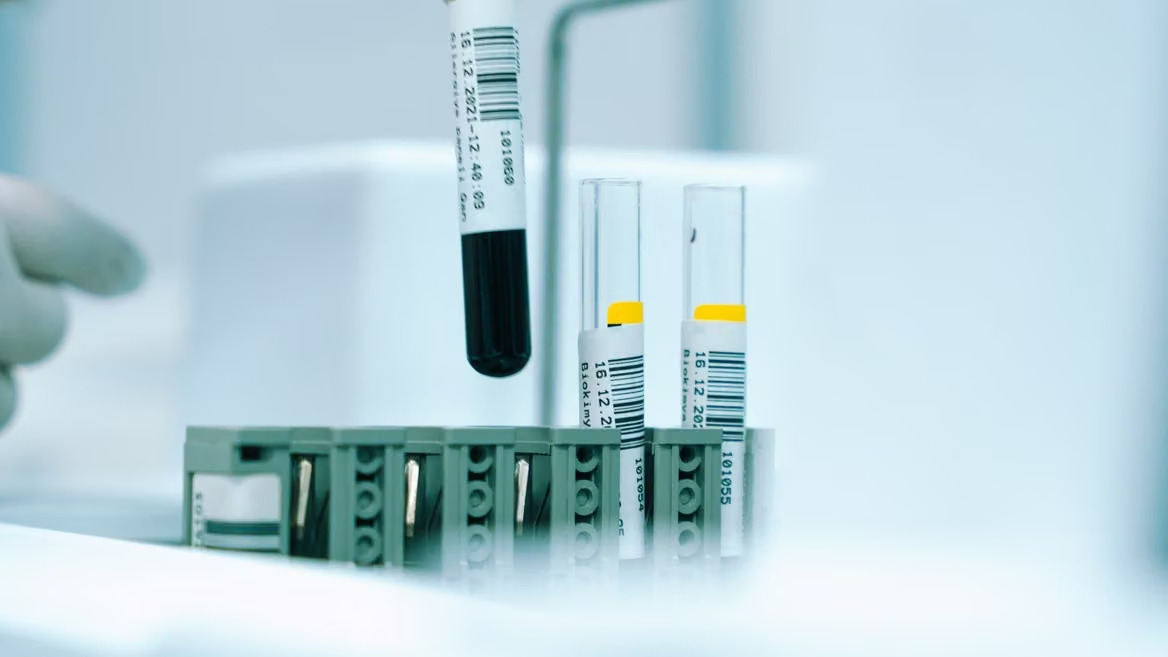
Did a DNA test, a medical result or a notice from your clinic suggest that the wrong sperm was used in your fertility treatment? Tell us your story.
CBW Law reviews sperm mix-up claims for patients and families nationwide, whether the sample was meant to come from a partner or a chosen donor. We listen, help collect the lab and donor records, and explain the options the facts may support. Tell Us Your Story. Contacting us does not create an attorney-client relationship.
A sperm mix-up happens when a fertility clinic, lab or sperm bank uses a sample other than the one a patient chose. It can involve a partner’s sperm or donor sperm, and it can happen during IVF or during simpler treatment such as insemination. These errors are uncommon, and no national system tracks them.12 For many families, the truth surfaces years later and raises hard questions about health history, identity and trust.
How a sperm mix-up happens in fertility treatment
Sperm is used in more than one kind of fertility care. In intrauterine insemination (IUI), sperm is placed into the uterus through a long, narrow tube. In IVF, eggs and sperm are combined in a lab to create embryos. Donor sperm can be used with either method.1 Each sample has to stay matched to the right patient from collection or purchase until it is used.
Reported cases and lab studies describe several ways that match can break:
- A partner’s sample is replaced by, or confused with, another man’s sample7
- Sperm left from one procedure ends up in the next patient’s procedure5
- A patient receives vials from a different donor than the one ordered6
- Dishes or tubes are mislabeled, or samples for two patients sit in the same work area3
A sperm mix-up is an accident: someone used the wrong sample by mistake. That is different from fertility fraud and unauthorized sperm use, where a doctor or someone else knowingly uses sperm the patient never agreed to. It is also different from an embryo mix-up, where an embryo goes to the wrong patient, and from disputes over whether a sperm bank described a donor accurately. At first it may not be clear which of these happened. Lab records and genetic testing can help sort that out.
Where sample identification can fail
A Belgian fertility center tracked its electronic witnessing system for more than 10 years. Sperm preparation and IVF or ICSI were the procedures most prone to critical mismatches, such as mislabeling or non-matching samples in one work area.3 Steps that carry identification risk include:
- Receiving and labeling a fresh sample
- Washing and preparing sperm
- Thawing a frozen or donor vial
- Injecting sperm into eggs (ICSI)
- Working on several patients’ samples at once
- Handling tools between patients
One reported example shows how small the trigger can be. In 2016, University Medical Center Utrecht in the Netherlands told 26 couples that sperm from an earlier ICSI procedure might have mixed with their partners’ sperm. A technician noticed material left on the tip of a pipette and reported it. The hospital’s spokesman said the technician had evidently used the wrong kind of rubber fitting on the pipette. All affected couples were offered DNA tests.5
Checks meant to keep the right sample with the right patient
Joint 2026 guidance from the American Society for Reproductive Medicine (ASRM) and the Society of Reproductive Biologists and Technologists covers both IVF labs and andrology labs, which handle sperm. It identifies points where misidentification can happen, describes manual and electronic witnessing, and explains how deviations should be graded and reported.4
Safeguards that apply to sperm samples
- Witnessing
- A second person or an electronic system confirms identity at key steps. Electronic systems flag non-matching samples in the same workstation, but staff still label dishes and tubes by hand as a backup.3
- Donor screening
- The FDA requires anonymous and directed sperm donors to be screened for infectious disease risks. ASRM’s patient guidance describes a family medical history covering at least two generations.8
- Quarantine
- Donor insemination uses frozen, quarantined sperm, and FDA and ASRM guidelines recommend holding it at least six months before use.8
- Written consent
- ASRM’s patient guidance on third-party reproduction says written consent should be obtained for any procedure.8
- Error reporting
- IVF clinics are not required to report errors to federal or state agencies, and no national database tracks them.12
Sperm mix-up cases in the news and in court
The events below come from news reports and court records. Claims made in a lawsuit are allegations unless a court decides them.
Selected reported cases
-
December 2011
Jennifer Cramblett of Ohio was inseminated with sperm from Midwest Sperm Bank, an Illinois company. Her later lawsuit alleged she had ordered sperm from Donor No. 380 and learned about five months into her pregnancy that she had received sperm from Donor No. 330.6
-
September 2014
Ms. Cramblett sued the sperm bank in Illinois state court. Her claims, as later amended, included negligence, breach of contract and breach of warranty.6
-
March–July 2016
The state court dismissed two claims outright and the rest for failure to state a claim, with leave to amend. When no second amended complaint was filed, those claims were also dismissed with prejudice, and she appealed.6
-
November–December 2016
University Medical Center Utrecht disclosed that a procedural error during ICSI from April 2015 to November 2016 might have mixed sperm for 26 couples, and it offered them DNA tests.5
-
January 2017
A federal judge paused a parallel federal lawsuit Ms. Cramblett had filed, while her state appeal was pending.6
-
April 2018
After the Illinois appeals court ruled on her state case and denied her petition for rehearing, Ms. Cramblett voluntarily dismissed her federal lawsuit.14
-
June 2025
Natalie and Joshua Strong’s daughter was born after IVF at Brown Fertility in Jacksonville, Florida.7
-
September 2026
The Strongs sued the clinic and its lead physician. The lawsuit alleges a DNA test showed Ms. Strong is the child’s biological mother but Mr. Strong is not the biological father. A clinic spokesperson declined to comment.7
A systematic review of human error in fertility labs found 22 adverse events in the published record. Eight involved insemination with the wrong sperm, more than any other category.2 An NBC News analysis counted 13 U.S. lawsuits filed from 2019 to 2024 over swapped embryos, eggs or sperm.12
How a sperm mix-up comes to light
Sometimes the lab catches the problem. In Utrecht, a technician noticed it and reported it.5 More often, families learn later through:
- Consumer DNA kits that show unexpected relatives, or no link to the intended father10
- A notice from the clinic or sperm bank about an error5
- A medical result that prompts the family to order a DNA test7
- A paternity test ordered for another reason
- Genetic testing that compares embryos with the intended parents’ DNA9
In a survey of more than 23,000 people, published in 2022, who used consumer DNA relative-matching services, 61% said they learned something new about themselves or their relatives. That included learning that a person they believed was a biological parent was not.10
Appearance alone does not prove a mix-up. Many genes shape traits such as eye color, and parents can have a child with a trait neither of them shows.11 A blood type result or a lack of family resemblance can raise questions, but a DNA test is what confirms who the genetic father is. In the Strong case, the lawsuit says a blood type result led the family to order DNA testing.7
Effects on reproductive choices, health history and family
The harm from a sperm mix-up is often less visible than a physical injury, but it can last for years. Families have described:
- Not knowing the child’s genetic father or his medical history7
- Fear that the intended partner’s sperm was used for someone else7
- Doubt about whether remaining frozen embryos were made with the right sperm7
- Hard choices about whether to use those embryos or start over
- Distress when the truth surfaces later, including for the child10
- Strain on the couple and questions about what to tell the child
- Legal uncertainty about paternity9
Paternity after a sperm mix-up depends on state law. Legal writers note that sperm donation laws are older than many IVF practices, and that a few states may treat a man as a sperm donor even if he never knew about or intended the donation.9 In the Strong case, the family says they still do not know what happened to Mr. Strong’s sperm, and they want their daughter’s genetic history for health reasons.7
Questions a sperm mix-up lawyer will ask
A sperm mix-up claim depends on facts that only records can confirm. A lawyer reviewing a possible lawsuit may look at:
- Which sample was supposed to be used: a partner’s, a known donor’s or a bank donor’s
- Donor numbers, order forms and shipping records
- Lab logs showing which sample or vial was thawed and prepared
- Witnessing records for each procedure date
- Genetic test results and how they were obtained
- What the clinic or bank said after the problem surfaced
- Consent forms and any arbitration clause12
- Where treatment happened and which state’s law applies
Depending on the facts, a claim may be framed as negligence, medical malpractice, breach of contract or a consumer protection claim.9 These cases can face early legal hurdles. Ms. Cramblett’s state claims were dismissed before the case reached discovery.6 That is why an individual review of the facts and the law matters before deciding whether a lawsuit makes sense.
Parties that may share responsibility
Depending on where the wrong sample entered the process, a review may look at:
- The fertility clinic and its andrology or embryology lab
- The physician who performed the insemination or oversaw the IVF cycle
- A sperm bank that selected, labeled or shipped the vials
- A storage facility that held frozen samples
- A separate lab that prepared or tested samples
Responsibility is never assumed. The records show where the error began and who had a chance to catch it. If embryo biopsy samples or reports were also involved, see embryo genetic testing sample mix-ups. For other kinds of treatment errors, see the IVF and fertility treatment injuries overview.
Families trusted a clinic with the most personal sample they could give. When the wrong one is used, they deserve a clear account of how.
Filing deadlines for a sperm mix-up claim
Every lawsuit has a time limit, and those limits differ by state and by type of claim. Some run from the date of the error. Others may run from when it was discovered. Claims against a sperm bank, a clinic and a physician can each follow different rules.
Arizona is one example. Its statute requires actions for injuries to the person, including medical malpractice claims, to be filed within two years after the cause of action accrues.13 When that clock starts in a particular case depends on the facts and on how Arizona courts apply the rule.
Because a sperm mix-up may not surface until a child is older, deadlines can be hard to work out on your own. A sperm mix-up attorney can tell you which limits may apply to your situation.
Records that can identify the sample used
These records can help show which sample was used and where the match broke. Save anything you already have, even if it seems minor.
Records to gather
Donor and sperm bank records
- Donor profile and donor number
- Order forms, invoices and shipping records
- Vial labels, or photos of them, if kept
- Donor screening and testing summary
Clinic and lab records
- Sperm collection and preparation records
- Thaw logs and insemination or ICSI records
- Witnessing logs and incident reports
- Consent forms for partner or donor sperm
Testing and communication
- Paternity or DNA test results
- Newborn and pediatric records, including blood type
- Emails, letters and portal messages
- Bills, receipts and insurance statements
What happens after you reach out to CBW Law
Our review process
-
Start the conversation
Tell us whose sperm was supposed to be used and what made you question it. You do not need documents to begin.
-
Build the timeline
We map the treatment dates, the donor or partner sample, and when and how the problem came to light.
-
Gather records
With your permission, we request lab, clinic and sperm bank records and review any genetic testing.
-
Explain your options
We tell you plainly what the records show and which deadlines may apply. Contacting us is not a promise that a claim can be brought or that anyone will be found at fault.
Plain English
Medical, Health & Insurance
Sperm bank paperwork, lab logs and insurance statements each use their own terms. Here is what the common ones mean.
Fertility treatments
- Intrauterine insemination (IUI)
- Placing sperm into the uterus through a long, narrow tube.1
- In vitro fertilization (IVF)
- Combining eggs and sperm in a lab to create embryos, which are then placed in the uterus.1
- ICSI
- Intracytoplasmic sperm injection: injecting a single sperm directly into an egg in the lab.5
- Donor insemination
- Insemination using sperm from a donor rather than a partner.8
Samples and donors
- Andrology lab
- The lab that receives, tests and prepares sperm samples.
- Known (directed) donor
- A donor the recipient knows, such as a friend or relative.8
- Anonymous donor
- A donor the recipient does not know, usually chosen through a sperm bank profile.8
- Quarantine
- Holding frozen donor sperm before use so the donor can be retested for infections.8
Genetic testing
- Paternity test
- A DNA test that checks whether a man is a child’s genetic father.
- Relative-matching DNA service
- A consumer DNA service that compares your DNA with other users to find genetic relatives.10
- Witnessing
- A second-person or electronic check that the right sample is matched to the right patient.4
Insurance and billing terms
- Explanation of benefits (EOB)
- A health plan statement showing what was billed and paid. It can help confirm treatment dates.
- Storage fee statement
- A bill for keeping frozen sperm or embryos. It can help show what was stored, where and for how long.
- Arbitration agreement
- A contract term that sends disputes to a private decision-maker instead of a court. Many IVF patients sign one.12
Questions
Frequently asked sperm mix-up questions
Short answers to common questions from patients and families.
What is a sperm mix-up?
A sperm mix-up happens when a clinic, lab or sperm bank mistakenly uses a sperm sample other than the one a patient chose. It can involve a partner’s sample or donor sperm, and it can happen during IVF or insemination. In one systematic review of human errors in fertility labs, insemination with the wrong sperm was the most frequent type of event identified.2
How is a sperm mix-up different from fertility fraud?
A sperm mix-up is an accident, such as a labeling or handling error. Fertility fraud involves knowingly using sperm the patient did not agree to, such as a provider’s own sperm. The records needed, the legal claims and sometimes the laws involved can differ. Our fertility fraud page covers intentional substitution.
Can a sperm mix-up involve a partner’s sperm, not just donor sperm?
Yes. In the Utrecht case, the concern was that sperm from an earlier procedure had mixed with the partners’ own samples.5 In a 2026 Florida lawsuit, a couple alleges that another man’s sperm was used instead of the husband’s.7 Partner samples go through the same lab steps as donor samples, so the same identification checks apply.
My child does not look like my partner. Does that mean there was a mix-up?
No, not by itself. Many genes shape traits like eye color, and parents can have a child with a trait neither of them shows.11 Resemblance is an unreliable guide in either direction. If you have real doubts, a DNA test is the way to find out, and the results can then be compared with the clinic’s records.
How do most families find out about a sperm mix-up?
What should I do if a DNA test suggests the wrong sperm was used?
Keep the test results and any messages about them. Write down your treatment dates, the clinic and, if donor sperm was used, the donor number. Ask the clinic or sperm bank for your records in writing. Avoid signing anything the clinic sends until you understand it. A lawyer can help you decide on next steps.
Are sperm banks regulated?
Who is the legal father after a sperm mix-up?
It depends on state law. Sperm donation laws are older than many IVF practices, and a few states may treat a man as a sperm donor even if he never knew or intended it.9 A family law attorney in your state can explain how parentage rules apply. That question is separate from whether a clinic or bank may be liable.
What if our remaining frozen embryos were made with the same sample?
Then they may raise the same question. In the Strong case, the family says they do not believe their three remaining embryos were made with the husband’s sperm.7 Genetic testing may help answer that. Before making decisions about remaining embryos, it can help to have the lab records reviewed and to talk with your doctor.
How long do I have to file a sperm mix-up lawsuit?
That turns on your state and the kind of claim. In Arizona, for example, injury claims including medical malpractice generally must be filed within two years after the cause of action accrues.13 Other states use different periods and discovery rules. Because these errors often surface late, ask an attorney about deadlines as soon as you can.
Tell Us Your Story
A sperm mix-up can change what a family knows about its own history. Lab logs, donor records and genetic testing are usually what show how the wrong sample was used.
If you believe the wrong sperm was used in your treatment, we are here to listen. Tell us your story, and we will help you understand your options.
Tell Us Your Story Call (800) 476-2416
This page is general information about sperm mix-ups. It is not legal or medical advice and does not create an attorney-client relationship. An unsuccessful cycle, a complication, an embryo loss or a testing limitation does not, by itself, establish that anyone was negligent. No outcome can be promised in any case.