Case type IVF & Fertility Treatment Injuries
Embryo Transfer Errors
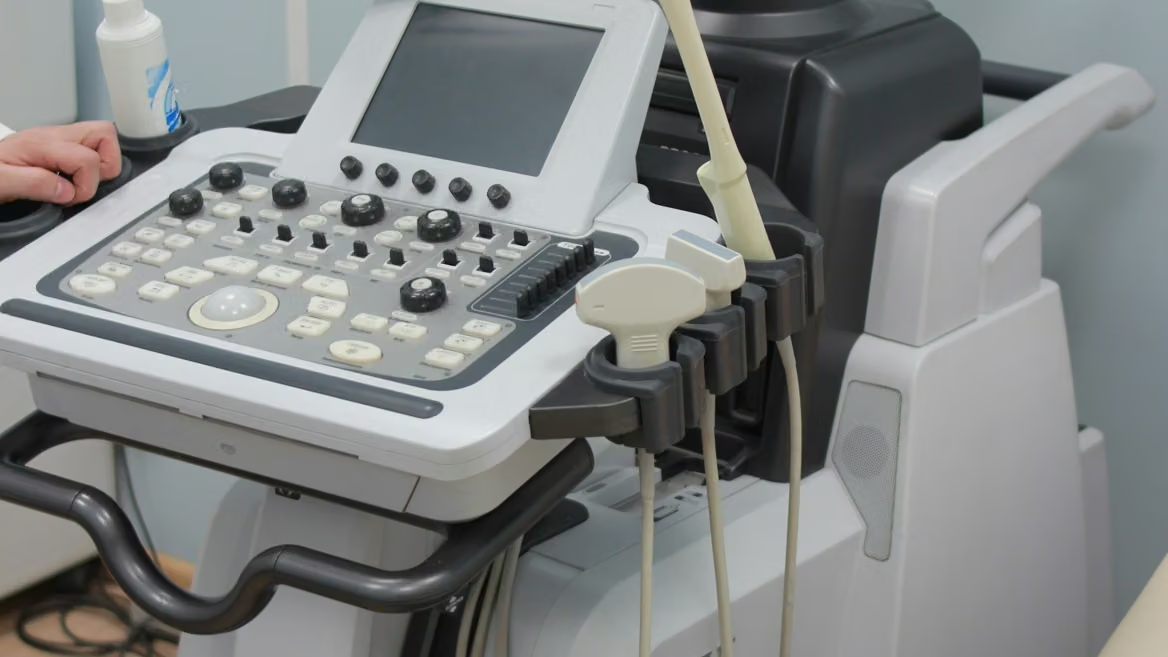
Your embryo transfer did not follow the plan you agreed to: the wrong embryo, more embryos than you chose, or an embryo you had set aside. Tell us your story.
We hear from IVF patients and families who believe a transfer departed from what they were told or what they authorized. CBW Law reviews the records, sorts out what may have gone wrong and explains the legal questions in plain terms. Tell Us Your Story. Contacting us does not create an attorney-client relationship.
Embryo transfer is the short last step of an IVF cycle, but it depends on everything that came before it: the right patient, the right embryo, the agreed number and the instructions in the chart. When one of those links breaks, the result can be a pregnancy you did not plan, a pregnancy that is not genetically yours, or the loss of an embryo you were counting on. Most transfers that do not lead to a pregnancy involve no error at all. An embryo transfer lawyer looks for something narrower: a departure from the plan, from your consent or from the safeguards that should have caught the problem.
What happens during an embryo transfer
In IVF, eggs and sperm are joined in a laboratory, and the embryos that develop are placed in the uterus a few days later. MedlinePlus describes the transfer as an office procedure, done while the patient is awake, in which a thin tube called a catheter carries the embryos through the cervix and into the uterus1. If an embryo attaches to the lining of the uterus and keeps growing, a pregnancy results1. Embryos that are not transferred may be frozen and used later1.
Patients may feel mild cramping as the catheter passes through the cervix or notice light spotting afterward, and infection is very rare5. What makes the step high-stakes is everything that has to be right before the catheter is loaded:
- The patient on the table is the patient whose embryo is in the dish
- The embryo chosen is the one named in the treatment plan
- The number transferred matches what the patient agreed to
- Any genetic-testing results the patient relied on were matched to the right embryos
- A frozen embryo was thawed from the correct storage location
- The physician, embryologist and nurse are working from the same instructions
The American Society for Reproductive Medicine (ASRM) has published a guideline that reviews the evidence on each major step of the transfer, with recommendations aimed at improving pregnancy rates2. The errors discussed here are a different kind of problem. They are about identity, numbers and instructions rather than catheter technique.
How embryo transfer errors happen
A wrong-embryo transfer is seldom the result of one slip in the transfer room. A 2026 review in F&S Reports described it as the end point of failures in tracking specimens across the IVF chain of custody. Those failures can begin with labeling, documentation, freezing, thawing, biopsy processing, embryo selection or miscommunication with the clinical staff6. An early mistake that goes unnoticed can carry forward through later steps and only appear at transfer6.
The concerns patients raise about transfers tend to fall into a few groups:
- Wrong patient. Another patient's embryo is transferred to you, or yours to someone else. Our page on embryo mix-ups covers how identification errors are traced.
- Wrong embryo. An embryo other than the one selected is thawed or loaded, including one that was set aside after PGT-A testing.
- Wrong number. More embryos are transferred than the patient authorized.
- Plan not followed. A written choice, such as single-embryo transfer or the order in which frozen embryos are used, is changed without the patient's agreement.
- Consent problems. A transfer goes ahead after consent was withdrawn, or without the signed forms the clinic's own process required.
- Communication breakdowns. The lab, the physician and the nurse each hold a different version of the plan, and no one reconciles them before transfer.
A labeling problem in the lab, covered under IVF laboratory errors, can stay hidden until an embryo is chosen months or years later.
A failed transfer is not the same as a transfer error
Many transfers of healthy-looking embryos do not lead to a pregnancy. A negative pregnancy test, or a miscarriage after transfer, is not evidence that anyone made a mistake.
The number of embryos is a good example. Transferring more than one embryo raises the chance of twins or more, and multiple pregnancy carries higher risks of preterm birth and low birth weight14. ASRM's patient guidance says doctors should transfer the minimum number of embryos needed for a good chance of pregnancy with the lowest risk of multiples5. When a patient agreed to two embryos after counseling, twins are a known risk. When a patient agreed to one and two were transferred, the facts point somewhere else.
Safeguards and professional standards at transfer
Professional societies have published guidance on identification and on how many embryos to transfer, and clinics write their own procedures. Guidelines inform the standard of care but do not define it; the European Society of Human Reproduction and Embryology (ESHRE) states that following its guidance does not establish a standard of care and that clinical judgment still applies4.
What the guidance says
- Witnessing
- A 2026 ASRM committee opinion says key points in an IVF cycle where misidentification can occur need careful witnessing, describes manual and electronic witnessing, and gives guidance for grading and reporting deviations7.
- Double checks at transfer
- Manual double witnessing at critical steps, including embryo transfer, has long been a main way to reduce risk, but it can be weakened by fatigue, interruptions and staffing limits6.
- Electronic tracking
- Barcode and radiofrequency systems can alert staff to a possible mismatch. Data show they reduce but do not eliminate error risk, and they still depend on accurate labeling at the start6.
- Number of embryos
- ASRM and the Society for Assisted Reproductive Technology publish limits on the number of embryos to transfer to promote single pregnancies and reduce multiples3. ESHRE recommends elective single-embryo transfer as the preferred approach4.
- Disclosure
- ASRM's Ethics Committee says providers have an ethical duty to disclose clinically significant errors involving embryos, and that clinics should have written policies for reducing and disclosing errors8.
A failed transfer is a loss; a transfer that ignored your instructions is a different question, and it deserves a straight answer.
How patients discover an embryo transfer error
Some errors are caught the same day. Others surface much later. The F&S Reports review notes that patients may learn through prenatal testing, or after birth, that a child is not genetically related to one or both intended parents6. It adds that genetic data from embryo testing can sometimes be compared with parents' DNA to confirm or investigate an embryo's origin6.
- A call from the clinic disclosing an incident or a near miss
- Prenatal genetic screening results that do not fit the embryo that was supposed to be transferred
- An ultrasound showing twins or triplets after a single-embryo transfer was planned
- A transfer report or lab sheet that names a different embryo, grade or number than you were told
- DNA testing after birth
ASRM's Ethics Committee treats prompt disclosure as an ethical duty for clinically significant errors8. Whether a clinic told you quickly, fully and accurately can matter to an embryo transfer lawsuit, both for what it shows about the event and for when any filing deadline began to run.
Where the law stands on embryo transfer errors
The 2026 review states that the true incidence of wrong-embryo transfer is unknown and that most cases are not reported publicly6. It cites an earlier review that identified 205 cases, affecting 307 patients, in which specimen contamination, loss, damage, mishandling or mix-up contributed to a wrong embryo transfer. Most (85%) occurred in the United States, and they led to 76 initial lawsuits6. Those figures count reported cases only. They are not a rate.
The same authors describe two broad groups of legal issues6:
- Claims against professionals for mishandling embryos or gametes, which may be framed as negligence, medical malpractice, breach of contract or violations of consumer-protection law
- Family-law disputes about parentage of any child born after a mix-up, and about any remaining embryos, where state law varies and controls the outcome
The review also notes that when a mix-up is discovered during pregnancy, the patient's legal options may now depend on the state where she lives, and that some of these questions are unresolved6. Courts do not treat embryos the same way everywhere, and the legal status of embryos varies by jurisdiction. That is one reason an embryo transfer error attorney looks closely at where treatment happened and where the family lives now.
The harm an embryo transfer error can cause
The consequences depend on what went wrong and when it was found. They can include:
- A pregnancy with more babies than planned, with the added medical risks a multiple pregnancy carries5
- A pregnancy or child who is not genetically related to one or both intended parents
- The loss of an embryo the patient had chosen to keep, use first or not use at all
- Fewer embryos left for future attempts, sometimes when no more can be created
- Additional treatment cycles, with their cost and physical demands
- Grief, anxiety and strain on relationships, including uncertainty about parentage
- Legal proceedings over custody or parentage that the family never expected
When to talk to a lawyer about an embryo transfer error
Consider speaking with an IVF lawyer if you were told about an incident, if your records do not match what you agreed to, or if testing has raised a question the clinic has not answered. A claim review does not assume anyone was at fault. It considers:
- What the signed consent forms and transfer plan said about the embryo and the number
- Which embryo the lab records say was thawed and transferred, and who verified it
- Whether witnessing or electronic tracking steps were completed and recorded
- What the clinic disclosed, when, and in what words
- Genetic testing results and how they were matched to embryos
- The medical, emotional and financial effects on you and your family
- Which state's law applies and how much time remains to file
If the concern is that genetic testing results were wrong, rather than that the transfer ignored them, our page on PGT results and testing limitations may be a better starting point.
Who may be responsible for an embryo transfer error
Responsibility depends on the facts and is never assumed. Depending on where the breakdown occurred, a review may look at:
- The fertility clinic, for its policies, staffing and supervision
- The physician who performed or ordered the transfer
- The embryology laboratory, for labeling, selection, thawing and witnessing
- A genetic testing laboratory, if results were reported for the wrong embryo
- A storage facility, if a frozen embryo was retrieved from the wrong location
- Makers of tracking or witnessing systems, if equipment failed
Filing deadlines for an embryo transfer lawsuit
Every state limits how long you have to file, and the rules for medical claims are often shorter and stricter than for other injuries. Arizona is one example. Its statute requires most personal-injury actions, including medical malpractice claims, to be brought within two years after the cause of action accrues9. Arizona also requires a claimant suing a health care professional to certify whether expert testimony is needed and, if it is, to serve a preliminary expert opinion affidavit early in the case10.
Other states set different periods. Some start the clock when an injury is discovered or should have been, and some add notice or expert steps before filing. An error found through DNA testing years later raises its own timing questions, so it is worth asking early.
Records that help in an embryo transfer error claim
You do not need every record before you call. These are the documents a review usually asks for:
Records to gather
Consent and planning
- Signed IVF and embryo transfer consent forms
- Any written plan naming the number of embryos to transfer
- Embryo disposition and storage agreements
- Notes or messages about which embryo would be used first
Transfer day and the lab
- The embryo transfer procedure note
- Embryology lab sheets showing embryo IDs, grades and thaw records
- Witnessing or electronic tracking logs, if the clinic will release them
- Genetic testing reports and the embryo numbering they used
What came after
- Pregnancy test results and early ultrasound reports
- Prenatal screening or post-birth DNA results
- Letters, emails or portal messages disclosing an incident
- Bills, receipts and explanation-of-benefits statements
What happens after you contact CBW Law
How a review works
-
You tell us what happened
Share the clinic's name, the transfer date and what you believe went wrong. Rough dates are fine.
-
We look at the paperwork
We compare the consent forms and treatment plan with the lab and transfer records, and note what is missing.
-
We check the deadlines
We identify which state's law likely applies and how much time may remain.
-
We explain your options
We tell you plainly what we found, what questions remain and whether we can help with a claim.
Plain English
Medical, Health & Insurance
Transfer records use shorthand that can be hard to follow. These are some of the terms you may see in your chart and your bills.
The transfer
- Embryo transfer
- Placing one or more embryos into the uterus through a thin catheter passed through the cervix1.
- Frozen embryo transfer (FET)
- A transfer cycle that uses embryos that were frozen earlier and then thawed1.
- Elective single-embryo transfer (eSET)
- Choosing to transfer one embryo even when more are available, to lower the chance of a multiple pregnancy4.
- Implantation
- When an embryo attaches to the lining of the uterus and continues to grow1.
Lab and identification
- Witnessing
- A second person or an electronic system confirming patient and specimen identity at key steps67.
- Chain of custody
- The documented trail linking a patient to their eggs, sperm and embryos at every step.
- Preimplantation genetic testing (PGT)
- Testing a few cells from an embryo to help decide which embryo to transfer1.
Pregnancy outcomes
Insurance and billing
- Explanation of benefits (EOB)
- A statement from your health plan showing what was billed, what it paid and what you owe.
- Cycle fee
- A bundled charge some clinics use for the services in one IVF or transfer cycle.
- Prior authorization
- A health plan's advance approval for a treatment, which can create a record of what was planned.
Questions
Frequently asked embryo transfer error questions
Short answers to questions patients ask about transfers that went wrong.
Is a failed embryo transfer grounds for a lawsuit?
Not by itself. Many transfers of good-quality embryos do not lead to pregnancy, and a negative test or early loss is a known outcome of IVF. An embryo transfer lawsuit usually depends on a specific departure from what should have happened, such as the wrong embryo, more embryos than you authorized, or a plan changed without your consent.
What counts as an embryo transfer error?
Examples include transferring another patient's embryo, transferring an embryo other than the one selected, transferring more embryos than agreed, using an embryo the patient excluded after genetic testing, or going ahead after consent was withdrawn. The common thread is that the transfer did not match the plan or the safeguards meant to protect it.
How is a transfer error different from an embryo mix-up?
The terms overlap. An embryo mix-up is an identity error: the embryo belongs to the wrong patient or was created from the wrong eggs or sperm. A transfer error is broader and also covers the wrong number of embryos or a plan that was not followed. Our embryo mix-ups page covers identity errors in more depth.
I agreed to one embryo and two were transferred. What should I do?
Ask the clinic for your consent forms, the transfer note and the embryology records, and keep any messages about the plan. Write down what you were told and when. Your medical care comes first, so follow up with your own doctor about the pregnancy. An IVF attorney can then review whether the records support what you remember.
Does the clinic have to tell me if a mistake happened?
ASRM's Ethics Committee says providers have an ethical duty to disclose clinically significant errors involving gametes and embryos and recommends written policies for disclosure8. Legal disclosure duties vary by state. How and when a clinic disclosed can be important evidence in a later claim.
Can genetic testing show whether the wrong embryo was transferred?
Sometimes. Prenatal testing or DNA testing after birth can show that a child is not related to an intended parent. Researchers note that genetic data from embryo testing can also be compared with parents' DNA to check an embryo's origin, though the method depends on correctly identified reference samples6.
Who keeps the records of which embryo was transferred?
The clinic's medical record should include the transfer note, and the embryology lab keeps its own worksheets, embryo IDs and thaw logs. Electronic witnessing systems may keep separate logs. You can request your records, and a lawyer can help identify what is missing.
How long do I have to file an embryo transfer error claim?
It depends on the state. In Arizona, for example, most medical malpractice claims must be filed within two years after the claim accrues9. Other states use different periods, discovery rules and pre-suit steps. Because a transfer error may not come to light until pregnancy or after birth, timing should be checked early.
What if I signed a consent form that mentioned risks?
A consent form covers the risks you agreed to accept, such as the chance that a transfer will fail or that two embryos may produce twins. It does not usually authorize the clinic to transfer the wrong embryo or ignore your written choices. A lawyer reads the form against what actually happened.
Does contacting CBW Law mean you will take my case?
No. Contacting us starts a review. We look at what happened, what the records show and which state's law applies, and then tell you honestly whether we can help. Many families also have questions about other parts of their treatment, which our IVF and fertility treatment injuries overview covers. Contacting us does not create an attorney-client relationship.
Tell Us Your Story
An embryo transfer can fail without anyone doing anything wrong. But when the wrong embryo is used, more embryos are transferred than you agreed to, or your written plan is set aside, you deserve to know how it happened.
If something about your transfer does not add up, tell us what happened. We will listen, look at the records with you and give you an honest view of whether a claim review makes sense.
Tell Us Your Story Call (800) 476-2416
This page is general information about embryo transfer errors. It is not legal or medical advice and does not create an attorney-client relationship. An unsuccessful cycle, a complication, an embryo loss or a testing limitation does not, by itself, establish that anyone was negligent. No outcome can be promised in any case.