Case type IVF & Fertility Treatment Injuries
Embryo Genetic Testing Sample Mix-Ups
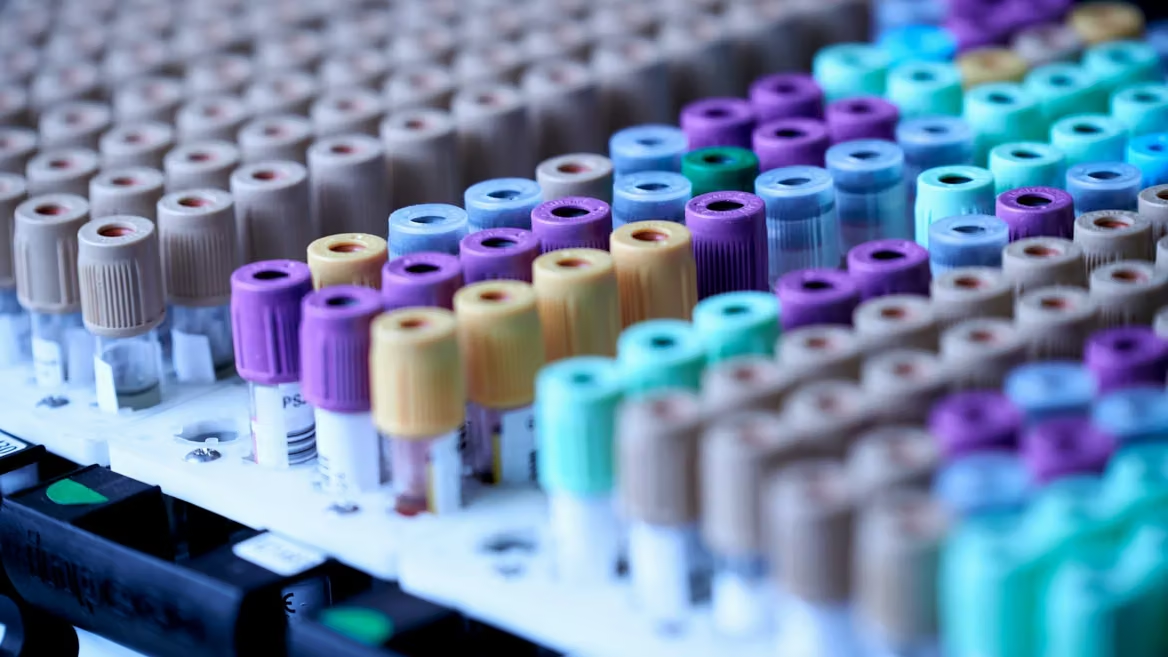
Your embryo test report was corrected, did not match a later prenatal result, or seemed to belong to someone else. Tell us your story.
CBW Law reviews cases where a preimplantation genetic testing sample, or the report that came back, may have been tied to the wrong embryo or the wrong patient. We trace the chain of custody through the records and tell you plainly what we find. Tell Us Your Story. Contacting us does not create an attorney-client relationship.
Embryo genetic testing depends on a simple promise: the result on the report belongs to the embryo it names. To keep that promise, a few cells taken in an IVF lab have to be labeled, tubed, shipped, logged and tested, and the answer has to find its way back to the right embryo. A mistake at any of those handoffs can attach one embryo's result to another. That kind of mix-up is different from transferring the wrong embryo, and different from a test that read a correctly labeled sample the wrong way.
How embryo biopsy samples move from the lab to a report
In preimplantation genetic testing, or PGT, an embryologist removes a few cells from each embryo. The cells are washed and usually placed in a small reaction tube, a step labs call "tubing"1. Many clinics do not run the genetic test themselves. In what international guidelines call transport PGT, the IVF clinic does the retrieval, culture, biopsy and transfer, and a separate genetics lab does the testing2.
Along the way, each sample passes through several hands:
- The biopsy dish is labeled with the patient's name and the embryo's number1.
- Cells from each embryo go into their own labeled tube.
- The embryo itself is frozen or cultured in its own labeled container, so it can be found again1.
- Tubes are packed and shipped to the genetics lab under an agreement between the two labs2.
- The genetics lab logs each sample on arrival. This step is often called accessioning, and certified U.S. labs must record when each specimen arrived and how it was identified4.
- The lab tests the DNA, writes a report, and sends it back in writing so the clinic can match each result to an embryo2.
The result is only as reliable as that chain. Reports based on some testing methods are expected to say that their accuracy assumes the samples were correctly identified2.
How a testing sample mix-up can happen
Most identification failures happen at a handoff, when a sample, a label or a result moves from one place or person to another. Possible errors include:
- Placing cells from embryo 3 in the tube labeled for embryo 4.
- Swapping or misnumbering tubes from the same patient.
- Mixing samples from two patients biopsied the same day.
- Entering a sample under the wrong patient or embryo number at intake.
- Transcribing results into the wrong row or report.
- Linking a correct report to the wrong frozen embryo at the clinic.
- Sending one patient's report to another patient's chart.
Errors of this kind are not new. Data collected by the European Society of Human Reproduction and Embryology (ESHRE) from 15,158 early testing cycles found 24 misdiagnoses and adverse outcomes. Listed causes included confusion of embryo and cell number and transfer of the wrong embryo, along with biological and technical causes such as contamination and mosaicism3. The authors wrote that most causes can be prevented with sound methods and quality standards, while the risk of misdiagnosis from very small samples cannot be removed entirely3.
Identification safeguards in embryo testing
ESHRE's good practice papers on PGT describe how labs should keep each sample tied to its embryo. U.S. labs certified under the federal Clinical Laboratory Improvement Amendments (CLIA) also have record and report duties. These standards do not decide any single case, but they show what careful practice looks like.
What the standards call for
- Two identifiers
- Labels, written or barcoded, should carry two unique patient identifiers plus the embryo or cell number, and should be legible and impossible to edit2.
- An independent witness
- Labeling and sample identity should be confirmed by an independent observer and signed off at critical steps2. For biopsy and tubing, witnessing is recommended at several steps, including right after biopsy, during tubing, after results are issued, and when embryos are warmed and chosen for transfer1.
- Witness even with barcodes
- To keep embryo-level tracking, a human witness is described as mandatory even when an electronic witnessing system is used1.
- Written results
- Reports should be sent securely in writing or electronically, not given orally, so the right embryos are transferred or frozen2.
- Receipt and records
- Certified labs must have written procedures for specimen labeling, transport and referral, record when a specimen arrives, and keep records that positively identify each specimen and who tested it4.
- Corrections
- When a certified lab finds an error in a reported result, it must promptly notify the ordering provider, issue a corrected report, and keep both the original and corrected versions4.
A genetic result is only useful if it belongs to the embryo it names. Keeping that link is the lab's job, not the patient's.
What published data and regulators say
Embryo testing in the U.S. sits under a mix of oversight. TIME reported in 2025 that labs performing PGT-A are subject to oversight by federal health agencies, but that the Food and Drug Administration has not authorized any add-on preimplantation genetic tests5. Much of the detailed guidance on labeling and witnessing comes from professional societies rather than statutes.
Those guidelines also expect follow-up when something goes wrong. After a misdiagnosis, ESHRE says the IVF and testing centers should investigate possible causes, change protocols to prevent a repeat, and report the misdiagnosis to its data collection2. Those investigation records can matter in a later claim review.
Lawsuits are allegations until a court or jury decides them. We found no published data on how often embryo samples are switched in U.S. labs.
How a sample mix-up can affect treatment
Because PGT results drive decisions, a switched result can ripple through a whole cycle. Depending on what happened, a mix-up may lead to:
- An embryo with a reported normal result being transferred when its true result was different.
- A healthy embryo being ranked low, left unused or discarded based on another embryo's result.
- A pregnancy affected by a condition the test was meant to screen out, especially in testing for a known family condition.
- Extra retrievals or cycles that might not have been needed.
- Wrong information about the embryo's sex or other findings shared with the family.
- Hard decisions about prenatal testing, which guidelines say should be offered to everyone who becomes pregnant after PGT2.
- Grief, loss of trust, and fear about embryos still in storage.
If embryos were set aside or discarded because of a result that may have been switched, our page on embryos discarded after genetic testing covers disposal questions in more depth.
When to talk to a lawyer about a PGT sample mix-up
Reach out once you have a reason to think a result does not belong to the embryo it names. Examples include an amended report, a prenatal or newborn result that conflicts with PGT, or a clinic message about a labeling problem. An IVF lawyer can help request records before they are lost and look at whether the facts point to a mix-up rather than a limit of the test. A review of a possible embryo testing lawsuit usually considers:
- What the original and any amended reports say, and when each was issued.
- Whether a later prenatal, newborn or repeat test conflicts with the PGT result.
- Which lab did the biopsy and which lab did the testing.
- What the witnessing and tube logs show at each handoff.
- How the clinic matched results to stored embryos.
- What decisions were made because of the result, and what can no longer be undone.
- What you were told, and when, after the problem was found.
Who may be responsible
In transport PGT, the clinic and the genetics lab are expected to sign an agreement that deals with legal, insurance and accountability issues and spells out who handles each stage2. That makes the records, not assumptions, the starting point. Depending on the facts, a review may consider:
- The IVF clinic's embryology lab, which performs the biopsy, labels tubes and stores embryos.
- The genetic testing lab, which receives, logs, tests and reports on samples.
- A courier or shipping company, if samples were lost or damaged in transit.
- The physician or genetic counselor who explained the results and guided decisions.
- A software or records vendor, if a system linked results to the wrong embryo.
Filing deadlines for embryo testing claims
Each state sets its own deadlines, and they can be short. Arizona is one example. Personal injury claims, including medical malpractice claims, generally must be filed within two years after the cause of action accrues7. When a claim against a health care professional is filed in Arizona, the claimant must also certify whether expert testimony is needed and, if so, serve a preliminary expert opinion affidavit8.
Other states use different time limits, discovery rules and notice requirements, and claims against a lab may be treated differently from claims against a doctor. A mix-up may not surface until a pregnancy or birth, so the start date of a deadline is often in dispute. Talk to a lawyer about your state's rules early.
Records that can show where a sample went
Records to request or keep
Clinic and biopsy records
- Embryology worksheets and biopsy logs
- Witnessing or electronic tracking records
- Tube and dish labeling records
- Cryostorage location records for each embryo
- Embryo transfer and thaw records
Testing lab records
- Test requisition forms
- Shipping manifests and courier tracking
- Receipt and accessioning records
- Original and amended PGT reports
- Corrected-report notices
Your own records
- Consent forms for biopsy and testing
- Portal messages and emails
- Notes from genetic counseling sessions
- Prenatal or newborn test results
- Bills and explanation of benefits forms
Certified labs may give patients access to their completed test reports4, and clinics keep their own copies. Ask for records in writing and keep a copy of each request.
What happens after you contact CBW Law
How a review works
-
You share what didn't match
Tell us what the report said, what happened next, and why something seems wrong.
-
We map the chain of custody
We identify each lab and each handoff, from biopsy to report to transfer.
-
We gather and review records
With your permission, we may request clinic and lab records and have them reviewed.
-
We explain your options
We tell you what we found, whether a claim may be possible, and the deadlines that may apply.
Plain English
Medical, Health & Insurance
Terms you may see in embryology records, testing reports and billing papers.
Lab handling terms
- Embryo biopsy
- Removing a few cells from an embryo so they can be tested1.
- Trophectoderm (TE)
- The outer layer of cells of a blastocyst-stage embryo. Biopsy samples are often taken from it1.
- Tubing
- Placing biopsied cells in a small reaction tube for DNA testing1.
- Witnessing
- A second person, or a person plus an electronic system, confirming that labels and samples match at key steps2.
Testing and report terms
- Transport PGT
- Biopsy at the IVF clinic, with testing done at a separate genetics lab2.
- Accessioning
- Logging a sample into the lab when it arrives and assigning it an identifier. Certified labs must record arrival time and specimen identity4.
- Amended or corrected report
- A new report issued after a lab finds an error in an earlier one4.
- PGT-A, PGT-M, PGT-SR
- Testing for chromosome number, for a known single-gene condition, or for a parent's chromosome rearrangement.
Clinical follow-up terms
- Misdiagnosis
- A test result that turns out to be wrong for the embryo, whatever the cause3.
- Prenatal diagnosis
- Testing during pregnancy to confirm a result. Guidelines say it should be offered after PGT2.
- Mosaicism
- A mix of cells with different chromosome results in one embryo. It can cause unexpected findings without any mix-up3.
Insurance and billing terms
- Explanation of benefits (EOB)
- An insurer's statement of what was billed and paid. It can show which lab billed for testing.
- Out-of-pocket cost
- What you paid yourself, such as testing fees not covered by a plan.
- Itemized statement
- A bill listing each charge, such as biopsy, testing per embryo and storage.
Questions
Frequently asked embryo testing mix-up questions
Short answers about switched samples and reports in embryo genetic testing.
How would I know if my embryo samples were mixed up?
Often you would not know right away. Signs can include an amended report, a clinic notice about a labeling problem, or a prenatal or newborn test that conflicts with the PGT result. None of these proves a mix-up alone, but each is worth a closer look at the records.
Is a sample mix-up the same as a wrong embryo transfer?
No. In a sample mix-up, the test result is attached to the wrong embryo or patient. In a wrong embryo transfer, the results may be correct but the wrong embryo is thawed or transferred. The records that matter, and the people who handled them, can differ.
My PGT result was wrong. Does that mean a sample was switched?
Not necessarily. Tests from a few cells have limits, and mosaicism or technical issues can produce wrong results even when every label is correct3. A review looks at whether the evidence points to an identification error, a testing error, or a known limitation.
Can a lab just send a corrected report?
Certified U.S. labs that find an error in a reported result must notify the ordering provider promptly and issue a corrected report, keeping both versions4. A corrected report does not undo decisions already made, such as a transfer or disposal, and it can be an important record.
Who is responsible when two labs were involved?
It depends on where the error happened. Guidelines expect the IVF clinic and testing lab to agree in writing on who handles each stage2. A review traces each handoff before drawing conclusions about the clinic, the lab, a courier or anyone else.
Can I get the lab's records?
You can request your records from the clinic, and labs may give patients access to completed test reports4. Internal logs and investigation files can be harder to get and may require a lawyer's help or a court process. Ask in writing and keep copies.
Should I keep my remaining embryos frozen?
That is a medical and personal decision, and CBW Law does not give medical advice. If you think results may have been switched, talk with your doctor before making any changes, and ask that the embryos and their records be preserved while questions are reviewed.
Do I need to prove exactly how the mix-up happened?
Not at the start. Most people only know that something does not add up. A lawyer can gather records, consult experts and work out where the chain of custody broke. You only need to share what you know, along with any reports and messages you already have.
How long do I have to file an embryo testing lawsuit?
It depends on the state and the type of claim. Arizona, for example, generally allows two years from when a personal injury claim accrues7. Other states differ, and some require notices or expert statements first. Contact an attorney early so deadlines can be checked.
Tell Us Your Story
An embryo genetic testing sample mix-up happens when a biopsy sample or report is tied to the wrong embryo or patient. The records from each lab and each handoff are usually what show whether that happened.
If a result no longer makes sense to you, we would like to hear from you. Tell us what happened, and CBW Law will review it carefully and tell you honestly what we see.
Tell Us Your Story Call (800) 476-2416
This page is general information about embryo genetic testing sample mix-ups. It is not legal or medical advice and does not create an attorney-client relationship. An unsuccessful cycle, a complication, an embryo loss or a testing limitation does not, by itself, establish that anyone was negligent. No outcome can be promised in any case.