Practice area Dangerous Drugs & Pharmaceutical Liability
Dangerous Drugs & Pharmaceutical Liability
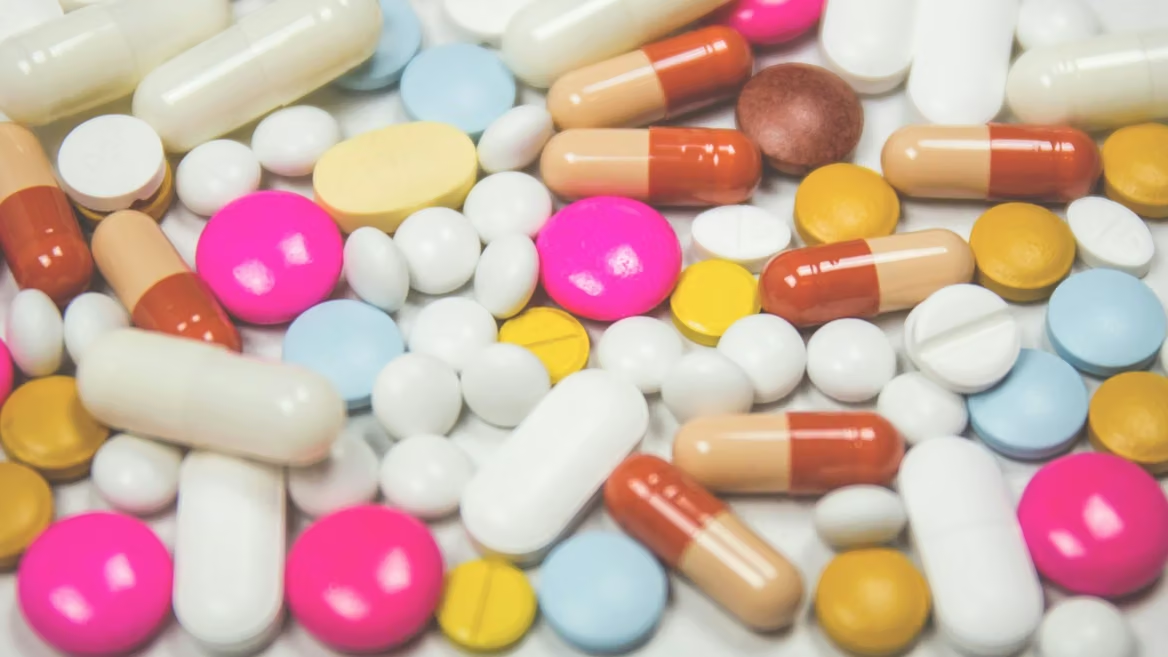
Hurt after taking a prescription drug, a recalled medicine or a pharmacy's mistake? Tell us your story.
CBW Law reviews claims from people harmed by medicines: drugs sold without adequate warnings, contaminated or recalled products, pharmacy errors and vaccine injuries. Tell Us Your Story. Contacting us does not create an attorney-client relationship.
Topics
Drug Injuries & Pharmaceutical Claims
Pick the medicine or the kind of claim to read more.
-
Suboxone Film Tooth Decay & Tooth Loss
Cavities, broken teeth and extractions after the dissolving film.
-
Tepezza Hearing Loss & Tinnitus
Hearing loss after thyroid eye disease infusions.
-
Depo-Provera & Meningioma Brain Tumors
Brain tumors after the birth control injection.
-
GLP-1 Gastroparesis & Gastrointestinal Injuries
Stomach paralysis and bowel injuries on Ozempic and similar drugs.
-
GLP-1 Vision Loss
Sudden vision loss (NAION) on GLP-1 drugs.
-
Valsartan, Losartan & Irbesartan Contamination
Recalled blood pressure drugs and cancer.
-
Proton Pump Inhibitor Kidney Injuries
Kidney disease after Nexium, Prilosec and other PPIs.
-
Zantac / Ranitidine Cancer Claims
Cancer claims about ranitidine, withdrawn in 2020.
-
Fluoroquinolone Antibiotic Injuries
Tendon rupture and nerve damage from Cipro and Levaquin.
-
Acetaminophen Use During Pregnancy
The science and the rulings on autism and ADHD claims.
-
Singulair / Montelukast Psychiatric Injuries
Mood, sleep and behavior changes on montelukast.
-
Elmiron Vision Loss & Pigmentary Maculopathy
Retina damage from the bladder drug. Claims under review now.
-
Injectafer Low Phosphate & Bone Injuries
Severe low phosphate and fractures after IV iron.
-
Stevens-Johnson Syndrome & Toxic Epidermal Necrolysis
Severe skin reactions to medicines.
-
NDMA & Carcinogen-Contaminated Medications
Medicines recalled for nitrosamine impurities.
-
Compounding Pharmacy Contamination
Contaminated or mis-made compounded drugs.
-
Pharmacy Dispensing & Dosing Errors
Wrong drug, wrong strength or wrong directions.
-
Opioid Overprescription & Dependence
Individual claims about opioid prescribing.
-
Recalled Prescription Drugs
What a recall means and when it supports a claim.
-
Vaccine Injury Compensation Program (VICP) Claims
The federal no-fault program for covered vaccines.
Every medicine carries some risk, and the company that sells it must tell doctors and patients what that risk is. Dangerous drug claims ask whether a maker warned adequately, whether a product was contaminated or made wrong, or whether a pharmacy or prescriber made a mistake. Some involve thousands of people in federal multidistrict litigation; others are individual claims. A dangerous drug lawyer starts with the exact product you took and what happened next.
How dangerous drug claims work
Most drug injury claims fall into a few types. A single case can involve more than one:
- Failure to warn: the label did not adequately describe a risk the maker knew or should have known about
- Contamination or manufacturing problems: a batch was not made the way it was supposed to be, such as the nitrosamine recalls
- Design: the drug or its form is claimed to be unreasonably dangerous, such as an acidic dissolving film
- Pharmacy and prescribing errors: the right drug was not given the right way
FDA approval does not end the question. The Supreme Court held in 2009 that FDA approval of a brand-name label does not by itself bar a state failure-to-warn claim, because brand makers can strengthen warnings on their own1.
Brand-name and generic drugs
Generic drugs are treated differently. The Supreme Court held that failure-to-warn claims against generic makers are generally preempted because their labels must match the brand label2, and later applied the same reasoning to design claims that turn on warnings3. That is why pharmacy records showing exactly which product was dispensed matter so much.
Warnings, recalls and lawsuits are different things
Four terms that are easy to confuse
- Label warning
- What the FDA-approved label tells doctors and patients. New warnings are added over time, such as the 2026 GLP-1 eye warning4 and the 2026 Injectafer boxed warning5.
- Recall
- A company removes products from the market; FDA classifies recalls by risk6.
- MDL
- Similar federal cases sent to one judge for pretrial work. Not a class action and not a settlement7.
- Settlement program
- An agreement with specific defendants and its own eligibility terms and deadlines.
None of these, on its own, shows that a drug caused a particular person's injury.
Federal drug MDLs we follow
| MDL | Court | Pending | Total filed |
|---|---|---|---|
| No. 2789, Proton pump inhibitors | D.N.J. | 11,404 | 18,755 |
| No. 3140, Depo-Provera | N.D. Fla. | 6,413 | 6,525 |
| No. 3094, GLP-1 gastrointestinal injuries | E.D. Pa. | 4,082 | 4,196 |
| No. 2804, National Prescription Opiate | N.D. Ohio | 2,877 | 3,184 |
| No. 3092, Suboxone film | N.D. Ohio | 2,016 | 2,129 |
| No. 2875, Valsartan, losartan, irbesartan | D.N.J. | 1,422 | 1,658 |
| No. 2924, Zantac (ranitidine) | S.D. Fla. | 806 | 15,018 |
| No. 3079, Tepezza | N.D. Ill. | 279 | 289 |
| No. 3163, GLP-1 vision loss (NAION) | E.D. Pa. | 278 | 278 |
| No. 2973, Elmiron | D.N.J. | 184 | 1,989 |
| No. 3043, Acetaminophen (ASD/ADHD) | S.D.N.Y. | 113 | 777 |
Counts come from the JPML's Nov. 2, 2026 report8. They show filed federal cases, not how often a drug causes harm. Several topics on this page, such as Singulair, Injectafer and fluoroquinolones, have no federal MDL; those claims proceed individually.
Who may have a drug injury claim
- You can name the drug, or a pharmacy can
- A doctor diagnosed an injury after you took it
- The timing fits what is known about the drug
- The injury led to treatment, lost time or lasting harm
- You are within your state's deadline
You do not need to know the legal theory or have every record before contacting us.
Vaccine injuries are handled differently. Covered vaccines go through the federal Vaccine Injury Compensation Program, a no-fault system, before any lawsuit9. See Vaccine Injury Compensation Program (VICP) Claims.
Filing deadlines for dangerous drug lawsuits
Deadlines depend on your state and on when you learned of the injury and its possible cause. Examples:
- Arizona: generally two years for personal injury and wrongful death10.
- California: two years for injury to or death of a person caused by another's wrongful act or neglect11.
- New York: three years for personal injury12, with a separate rule that runs from discovery for injuries caused by the latent effects of exposure to a substance in the body13.
- Texas: two years for personal injury and wrongful death14, and most product liability claims must be brought within 15 years of the product's sale, with an exception for certain latent diseases15.
When the clock starts can depend on when a person knew, or should have known, about the injury and its possible link to the medicine. Rules for children, wrongful death and claims against public hospitals can differ. Ask a dangerous drug attorney to check the rules for your state early, before records are lost.
Records that help a drug injury review
Records worth gathering
Medicine
- Pharmacy printouts showing maker and dates
- Bottles, boxes or labels you still have
- Recall letters
Medical
- Diagnosis and specialist records
- Hospital and ER records
- Test results and imaging
Impact
- Bills and insurance statements
- Work records
- Notes on daily life
What happens after you contact CBW Law
How a review works
-
Tell us what happened
Tell us which medicine you took and what happened. You do not need every record first.
-
We identify the product
We confirm the exact drug, brand or generic, and the dates from pharmacy records.
-
We gather records
With your permission, we request pharmacy, medical and billing records from the places that treated you.
-
We explain what we see
We tell you what the records show, what questions remain and what options may be open, including deadlines.
Every medicine carries some risk. A claim depends on the specific product, the warnings, the timing and the injury.
Plain English
Medical, Health & Insurance
Terms you may see in a drug injury case.
Drug terms
- Brand-name drug
- The original version sold under a trade name.
- Generic drug
- A copy with the same active ingredient; its label must match the brand label2.
- Boxed warning
- FDA's most serious label warning.
Legal terms
Records and coverage
- Pharmacy printout
- A list of every fill, with maker and dates, that pharmacies can provide.
- Lien
- A right of an insurer or health plan to be repaid from a recovery.
Questions
Dangerous drug lawsuit questions
Short answers to the questions people ask first.
What is a dangerous drug lawsuit?
A claim that a medicine caused an injury because of an inadequate warning, contamination, a design problem or an error in how it was dispensed or prescribed.
Do I need to know which company made my medicine?
No. A dangerous drug lawyer can get your pharmacy records, which usually show the maker.
Does it matter if I took a generic?
Yes. Federal law limits some warning claims against generic makers, so the exact product matters.
Is an MDL a class action?
No. An MDL coordinates individual cases before one judge for pretrial work.
Does a recall mean I have a case?
No. A dangerous drug attorney checks whether your product was affected and whether it caused your injury.
Should I stop taking my medicine?
Not without talking to your doctor or pharmacist. Some medicines are dangerous to stop suddenly.
How long do I have to file a drug injury lawsuit?
It depends on your state and on when you learned of the injury and its possible link to the drug. Vaccine claims have their own federal deadlines.
Can a family bring a claim after a death?
Yes. A dangerous drug lawyer can review a wrongful death claim under your state's rules.
Is CBW Law reviewing Elmiron claims?
Yes. CBW Law is actively pursuing Elmiron claims.
What does it cost to contact CBW Law?
Telling us your story costs nothing, and contacting us does not create an attorney-client relationship.
Tell Us Your Story
If a medicine, a recalled product or a pharmacy mistake left you or someone you love hurt, a dangerous drug attorney can review what happened.
Tell us what happened. CBW Law will review your information and explain what we see. Submitting information does not establish an attorney-client relationship or guarantee representation.
Tell Us Your Story Call (800) 476-2416
This page is general information about dangerous drug and pharmacy claims. It is not legal or medical advice and does not create an attorney-client relationship. Do not stop or change any medicine without your doctor or pharmacist. A warning, recall or MDL does not by itself establish that a drug caused any person's injury. Laws and deadlines differ by state, and no outcome can be promised.


