Case type Dangerous Drugs & Pharmaceutical Liability
Suboxone Film Tooth Decay & Tooth Loss
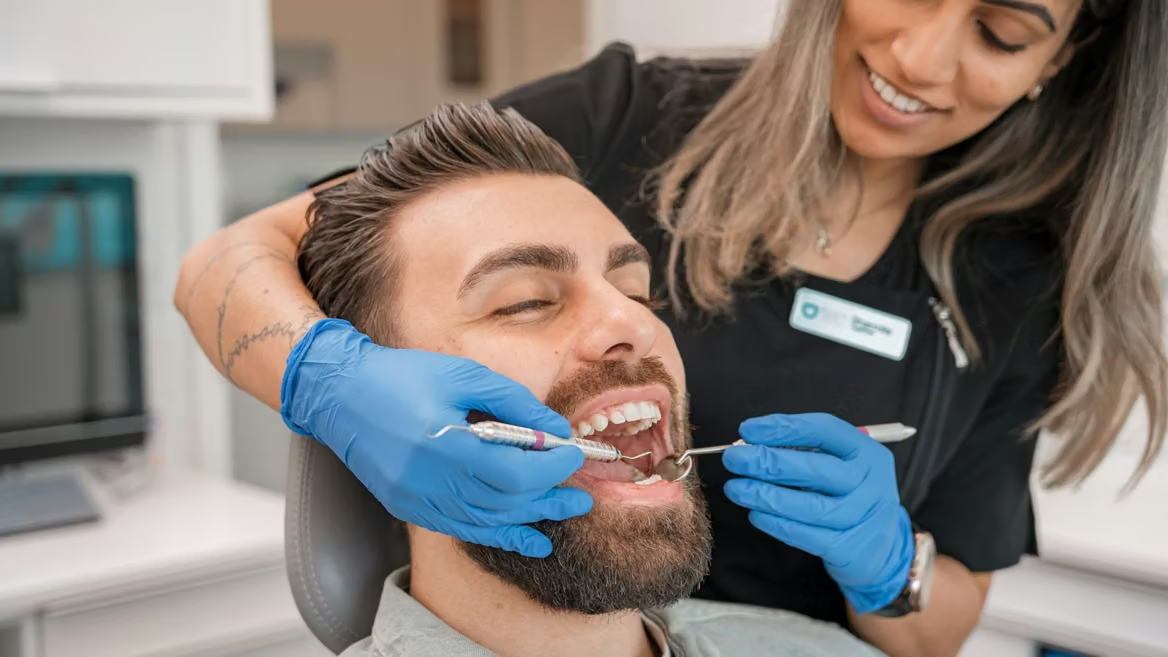
Lost teeth or needed extractions, crowns or implants after using Suboxone film? Tell us your story.
CBW Law reviews claims from people who developed serious tooth decay or tooth loss while taking buprenorphine/naloxone film that dissolves in the mouth. You can keep your treatment private and still ask questions. Tell Us Your Story. Contacting us does not create an attorney-client relationship.
Suboxone film is a buprenorphine and naloxone medicine for opioid use disorder that dissolves under the tongue or inside the cheek. The FDA-approved label now warns that cavities, tooth fractures and tooth loss have been reported with buprenorphine products that dissolve in the mouth1. Thousands of federal lawsuits allege the film was made too acidic and sold without an adequate dental warning. A Suboxone lawyer looks at the product, the dates of use and the dental records.
What the Suboxone label says about teeth
Suboxone film contains buprenorphine and naloxone. It is placed under the tongue or against the inside of the cheek and left to dissolve. The current label has a warning titled "Dental Adverse Events"1. It says reported problems include:
- Cavities and tooth decay, some rampant
- Tooth erosion
- Dental abscesses and infection
- Fillings falling out
- Tooth fractures
- In some cases, total tooth loss
The label says treatment for these events included extractions, root canals, dental surgery, fillings, crowns, implants and dentures. It also says multiple cases were reported in people with no prior history of dental problems1.
The label tells prescribers to refer patients for regular dental checkups. It advises gently rinsing the teeth and gums with water and swallowing once the film has fully dissolved, then waiting at least one hour before brushing1. A dental journal article described the 2022 FDA warning and stressed that patients should not stop buprenorphine because of the dental risk2.
Why there are Suboxone film lawsuits
In February 2024 the Judicial Panel on Multidistrict Litigation sent federal Suboxone film cases to the Northern District of Ohio as MDL No. 30923. The Panel described the cases as alleging the film was designed to be acidic, leading to dental erosion and decay, and that the defendants knew of the risk but failed to warn. These are allegations, not findings. The Panel also narrowed the case name because the litigation did not include marketing or sales-practice claims3.
MDL 3092 at a glance
Key dates in the Suboxone film MDL
-
Feb. 5, 2024
Transfer order creating MDL No. 3092 is filed in the Northern District of Ohio3.
-
Nov. 4, 2024
Case Management Order 12 sets a census protocol for plaintiffs4.
-
Dec. 31, 2024
The court grants in part and denies in part a motion to dismiss4.
-
Mar. 2025 to Mar. 2026
The court enters, then amends, a bellwether protocol for selecting test cases4.
-
July 16, 2026
An order sets rules for depositions of the treating providers of core discovery plaintiffs4.
A bellwether is a test case. Its result can inform the parties, but it does not decide anyone else's claim.
Dental injuries involved
Claims focus on dental harm that needed real treatment, documented by a dentist. The kinds of harm described in the label and the lawsuits include:
- Multiple cavities that spread quickly
- Cracked or broken teeth
- Teeth that had to be pulled
- Root canals, crowns or implants
- Dentures or partials
- Infection or abscess needing surgery
Many things affect teeth, including diet, dry mouth, smoking, other medicines and access to dental care. A review looks at the dental history before and after the film was used, not only the damage today.
Who may have a Suboxone tooth decay claim
A review usually asks:
- Did you use Suboxone film, or another buprenorphine product that dissolves in the mouth? Which one, and when?
- When did dental problems start, and what did your dentist find?
- What treatment followed: fillings, root canals, extractions, crowns, implants or dentures?
- What did your teeth look like before treatment, if records exist?
- Have you signed any release or joined any earlier claim?
You do not need every record before contacting us. We can help request them.
Who may be responsible
An investigation may look at the companies that made, sold and labeled the film, and at what they knew about dental risks and when. The Panel's order names the product as Suboxone film and the claims as product liability claims3. Your prescriber and pharmacy are usually not the focus of these cases; they help supply the records.
Filing deadlines for Suboxone lawsuits
Deadlines depend on your state and on when you learned of the injury and its possible cause. Examples:
- Arizona: generally two years for personal injury and wrongful death7.
- California: two years for injury to or death of a person caused by another's wrongful act or neglect8.
- New York: three years for personal injury9, with a separate rule that runs from discovery for injuries caused by the latent effects of exposure to a substance in the body10.
- Texas: two years for personal injury and wrongful death11, and most product liability claims must be brought within 15 years of the product's sale, with an exception for certain latent diseases12.
When the clock starts can depend on when a person knew, or should have known, about the injury and its possible link to the medicine. Rules for children, wrongful death and claims against public hospitals can differ. Ask a Suboxone attorney to check the rules for your state early, before records are lost.
Records that help a Suboxone review
Records worth gathering
Medicine
- Pharmacy printout of fills
- Product name and form (film, tablet)
- Dates you started and stopped
Dental care
- Dental charts and X-rays
- Treatment plans and estimates
- Extraction, implant or denture records
Cost and impact
- Dental bills and insurance statements
- Photos you already have
- Notes on pain, eating or work
What happens after you contact CBW Law
How a review works
-
Tell us what happened
Share what you remember about the medicine, your teeth and the dental work that followed. You do not need every record first.
-
We confirm the product
We work to confirm which buprenorphine product you used, its form and the dates from your pharmacy records.
-
We gather records
With your permission, we request pharmacy, medical and billing records from the places that treated you.
-
We explain what we see
We tell you what the records show, what questions remain and what options may be open, including deadlines.
Dental decay has many causes. A Suboxone claim depends on the product used, the timing and what your dental records show.
Plain English
Medical, Health & Insurance
Terms you may see in a Suboxone dental case.
Medicine terms
- Buprenorphine
- A medicine used to treat opioid use disorder and some pain.
- Sublingual film
- A thin strip that dissolves under the tongue.
- Buccal
- Placed against the inside of the cheek.
Dental terms
- Caries
- Tooth decay, or cavities.
- Erosion
- Loss of tooth enamel from acid.
- Abscess
- A pocket of infection in a tooth or gum.
Treatment and coverage
- Extraction
- Removing a tooth.
- Implant
- A post placed in the jaw to hold a replacement tooth.
- Dental coverage
- Many medical plans exclude most dental work, so dental bills are often separate.
Questions
Suboxone lawsuit questions
Short answers to the questions people ask first.
Is there a Suboxone lawsuit for tooth decay?
Yes. Federal Suboxone film cases about dental injuries are coordinated in MDL No. 3092 in the Northern District of Ohio. Each case is still an individual claim.
Do I need to stop taking Suboxone to file a claim?
No. Never change your treatment because of a legal claim. Talk with your prescriber about dental care.
Does the claim cover Suboxone tablets?
The federal MDL is about the film. A Suboxone lawyer will ask which product and form you used.
What if I had dental problems before Suboxone?
That does not end a review, but it matters. A Suboxone attorney compares your dental records before and after.
Do I need X-rays or dental records?
They help. We can request them from your dentists with your permission.
Is the Suboxone MDL a class action?
No. An MDL coordinates individual lawsuits for pretrial work. It is not a class action or a settlement.
How long do I have to file a Suboxone lawsuit?
It depends on your state and on when you learned about the injury and its possible link to the film.
Will my treatment for opioid use disorder become public?
Court filings can include medical information. Ask a Suboxone lawyer how privacy is handled before anything is filed.
Who pays for dental work while a case is pending?
Usually you or your insurance. A Suboxone attorney can explain how medical costs are treated in a claim.
What does it cost to contact CBW Law?
Telling us your story costs nothing, and contacting us does not create an attorney-client relationship.
Tell Us Your Story
If Suboxone film left you with broken teeth, extractions or costly dental work, a Suboxone attorney can review what happened.
Tell us what happened. CBW Law will review your information and explain what we see. Submitting information does not establish an attorney-client relationship or guarantee representation.
Tell Us Your Story Call (800) 476-2416
This page is general information about Suboxone film and dental injuries. It is not legal, medical or dental advice and does not create an attorney-client relationship. Do not stop or change any medicine without talking to your prescriber. Dental problems have many causes, and an MDL or label warning does not by itself establish that the film caused any person's injury. Laws and deadlines differ by state, and no outcome can be promised.