Case type Dangerous Drugs & Pharmaceutical Liability
GLP-1 Gastroparesis & Gastrointestinal Injuries
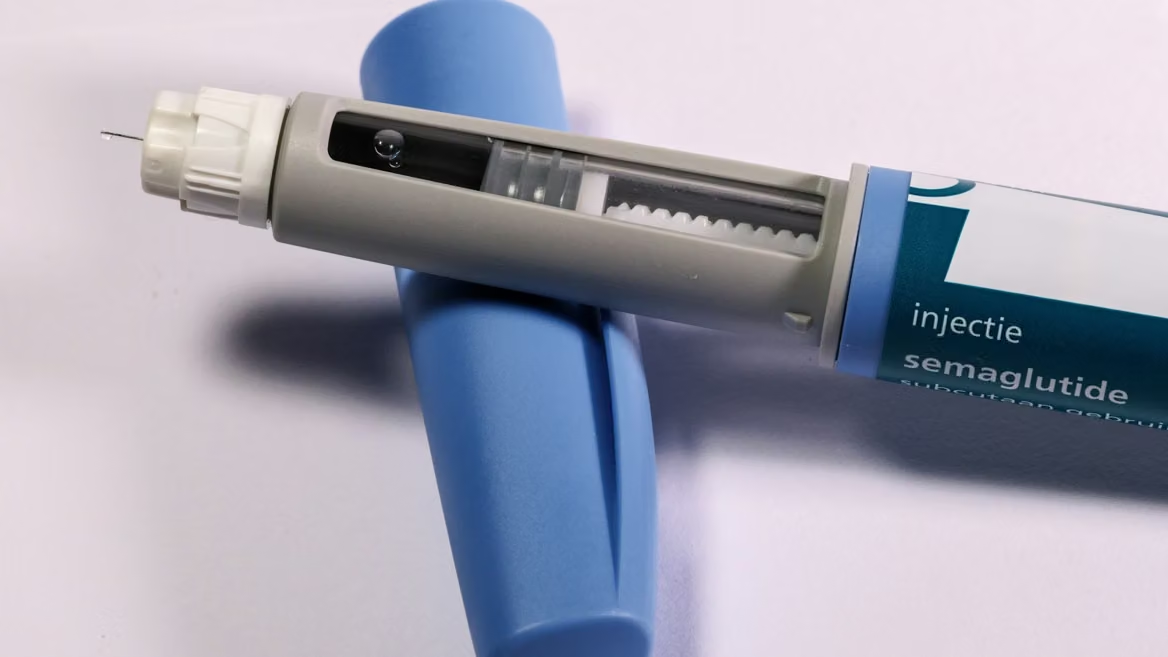
Diagnosed with gastroparesis or a serious bowel problem while taking a GLP-1 drug? Tell us your story.
CBW Law reviews claims from people who developed severe stomach or bowel injuries while taking GLP-1 drugs such as Ozempic, Wegovy, Rybelsus, Trulicity or Mounjaro. Tell Us Your Story. Contacting us does not create an attorney-client relationship.
GLP-1 drugs treat type 2 diabetes and obesity, and they slow how fast the stomach empties1. Thousands of federal lawsuits claim the makers did not adequately warn that the drugs can cause gastroparesis and other gastrointestinal injuries. Those cases are coordinated in Philadelphia as MDL No. 3094. A GLP-1 lawyer looks at the exact drug, the diagnosis and how it was confirmed.
What GLP-1 labels say about the stomach
GLP-1 receptor agonists copy a gut hormone that lowers blood sugar after meals and affects appetite2. The class includes Ozempic, Wegovy and Rybelsus (semaglutide), Trulicity (dulaglutide), Mounjaro and Zepbound (tirzepatide) and others2.
The Ozempic label has a warning titled "Severe Gastrointestinal Adverse Reactions," updated in October 2025. It says use of the drug has been associated with gastrointestinal reactions, sometimes severe, and that severe reactions have also been reported after approval with GLP-1 drugs. It says Ozempic is not recommended in patients with severe gastroparesis1. The label also says Ozempic delays gastric emptying and warns about acute pancreatitis1.
The GLP-1 gastrointestinal lawsuits
Federal GLP-1 stomach injury cases are coordinated before Judge Karen S. Marston in the Eastern District of Pennsylvania as MDL No. 30943. The court's page names Ozempic, Wegovy and Rybelsus (Novo Nordisk) and Trulicity and Mounjaro (Eli Lilly). It describes the central question as whether the defendants knew or should have known their drugs can cause gastroparesis and other gastrointestinal injuries. The defendants deny the allegations3.
MDL 3094 at a glance
The court has been deciding certain cross-cutting issues before individual cases move forward. Its April 30, 2026 order set briefing on expert-evidence (Rule 702) and summary judgment motions for two of those issues, with a hearing in September 20266. A ruling on those motions could affect many cases. We will update this page when the court rules.
Gastrointestinal injuries involved
Claims in this area center on serious, documented stomach and bowel injuries, such as:
- Gastroparesis, or delayed stomach emptying
- Intestinal blockage or ileus
- Severe, persistent vomiting needing hospital care
- Dehydration or kidney injury from severe vomiting
- Surgery or feeding tubes after GI complications
Mild nausea is common with these drugs and usually is not a legal injury. How a diagnosis was made also matters, so a review asks what testing was done, such as a gastric emptying study.
Who may have a GLP-1 stomach injury claim
- Which drug and dose you took, and the dates
- Whether it was a brand-name drug or a compounded version
- What diagnosis you received, and how it was confirmed
- Emergency visits, hospital stays or procedures
- Stomach problems or diabetes complications you had before the drug
Compounded semaglutide and tirzepatide are not FDA-approved and raise different questions7. You do not need every record before contacting us.
Who may be responsible
The federal cases name the companies that make and sell the brand-name drugs3. An investigation may also look at the source of a compounded product, if one was used.
Filing deadlines for GLP-1 lawsuits
Deadlines depend on your state and on when you learned of the injury and its possible cause. Examples:
- Arizona: generally two years for personal injury and wrongful death8.
- California: two years for injury to or death of a person caused by another's wrongful act or neglect9.
- New York: three years for personal injury10, with a separate rule that runs from discovery for injuries caused by the latent effects of exposure to a substance in the body11.
- Texas: two years for personal injury and wrongful death12, and most product liability claims must be brought within 15 years of the product's sale, with an exception for certain latent diseases13.
When the clock starts can depend on when a person knew, or should have known, about the injury and its possible link to the medicine. Rules for children, wrongful death and claims against public hospitals can differ. Ask a GLP-1 attorney to check the rules for your state early, before records are lost.
Records that help a GLP-1 review
Records worth gathering
Medicine
- Pharmacy printout
- Drug name, dose and dates
- Pen or box if you still have it
Diagnosis
- Gastric emptying study
- Endoscopy or imaging
- GI specialist notes
Care and cost
- ER and hospital records
- Surgery or feeding tube records
- Bills and time off work
What happens after you contact CBW Law
How a review works
-
Tell us what happened
Share what you remember about the drug, your symptoms and the care that followed. You do not need every record first.
-
We confirm the drug and diagnosis
We check which product you used and how your diagnosis was made.
-
We gather records
With your permission, we request pharmacy, medical and billing records from the places that treated you.
-
We explain what we see
We tell you what the records show, what questions remain and what options may be open, including deadlines.
Stomach side effects are common with GLP-1 drugs. A claim depends on a serious, documented injury and the records behind it.
Plain English
Medical, Health & Insurance
Terms you may see in a GLP-1 stomach injury case.
Drug terms
- GLP-1 receptor agonist
- A drug that mimics the gut hormone GLP-1.
- Semaglutide
- The drug in Ozempic, Wegovy and Rybelsus.
- Tirzepatide
- The drug in Mounjaro and Zepbound; it acts on GLP-1 and GIP receptors.
Diagnosis terms
- Gastroparesis
- A condition where the stomach empties too slowly without a blockage.
- Gastric emptying study
- A test that measures how fast food leaves the stomach.
- Ileus
- A stop in the normal movement of the bowel.
Care and coverage
- Compounded drug
- A drug mixed by a pharmacy that is not FDA-approved7.
- Prior authorization
- Insurer approval needed before some drugs or tests are covered.
Questions
GLP-1 lawsuit questions
Short answers to the questions people ask first.
Is there an Ozempic lawsuit for gastroparesis?
Yes. Federal cases about gastroparesis and other GI injuries from GLP-1 drugs, including Ozempic, are coordinated in MDL No. 3094.
Do I need a gastric emptying study?
It is one of the main ways doctors confirm gastroparesis. A GLP-1 lawyer will ask how your diagnosis was made.
Does Mounjaro count?
The court's page names Mounjaro among the products in the MDL. A GLP-1 attorney will confirm which drug you used.
What about compounded semaglutide?
Compounded drugs are not FDA-approved and are not the same products. They raise different questions about who may be responsible.
Is nausea enough for a GLP-1 lawsuit?
Usually not. Claims focus on serious, documented injuries such as gastroparesis or bowel blockage.
Is the GLP-1 vision loss case the same?
No. Vision loss claims are in a separate MDL.
How long do I have to file a GLP-1 lawsuit?
It depends on your state and on when you learned about the injury and its possible link to the drug.
Should I stop my GLP-1 drug?
That is a decision for you and your doctor. Do not stop or change a medicine because of a claim.
Is MDL 3094 a class action?
No. It coordinates individual lawsuits.
What does it cost to contact CBW Law?
Telling us your story costs nothing, and contacting us does not create an attorney-client relationship.
Tell Us Your Story
If a GLP-1 drug was followed by gastroparesis, a bowel blockage or a hospital stay, a GLP-1 attorney can review what happened.
Tell us what happened. CBW Law will review your information and explain what we see. Submitting information does not establish an attorney-client relationship or guarantee representation.
Tell Us Your Story Call (800) 476-2416
This page is general information about GLP-1 drugs and stomach injuries. It is not legal or medical advice and does not create an attorney-client relationship. Do not stop or change any medicine without your doctor. Stomach problems have many causes, and an MDL or a label warning does not by itself establish that a drug caused any person's injury. Laws and deadlines differ by state, and no outcome can be promised.