Case type Dangerous Drugs & Pharmaceutical Liability
Recalled Prescription Drugs
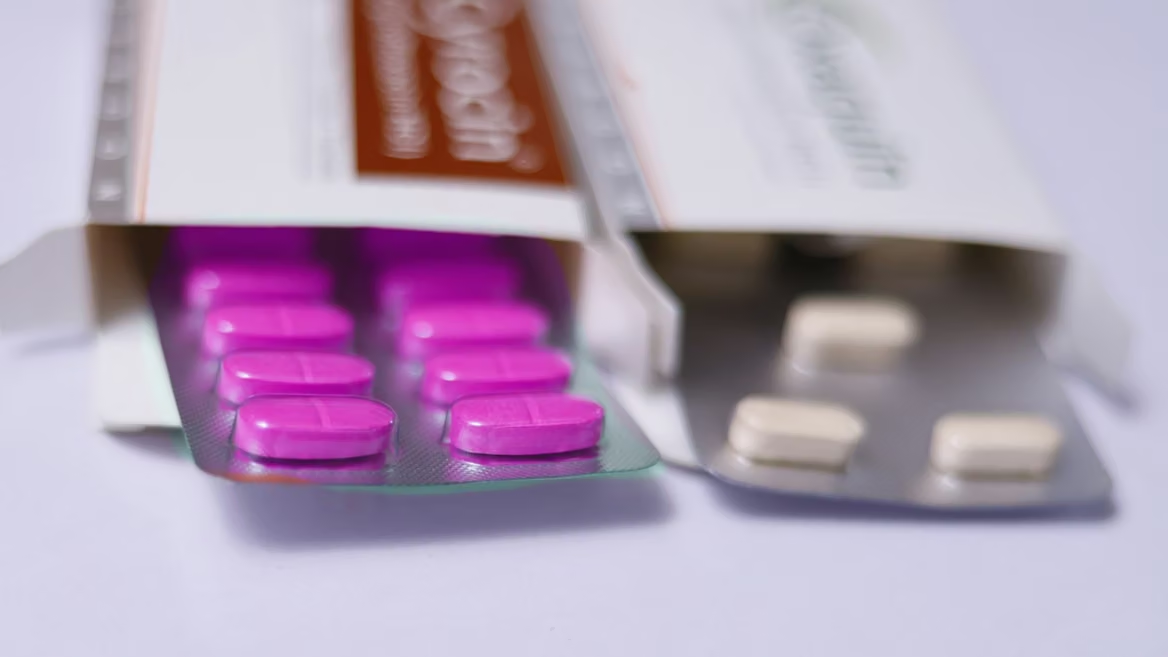
Hurt by a prescription medicine that was later recalled? Tell us your story.
CBW Law reviews claims from people injured by prescription medicines that were recalled for contamination, wrong strength, mislabeling or other defects. Tell Us Your Story. Contacting us does not create an attorney-client relationship.
A drug recall is an action by a company to remove a product from the market. It can happen on the company's own initiative, at FDA's request or by FDA order1. FDA sorts recalls into three classes by how likely they are to cause harm1. A recall alone does not prove a medicine hurt anyone. A drug recall lawyer looks at whether the problem in the recall matches the injury.
How FDA classifies drug recalls
FDA recall classes
- Class I
- A reasonable probability that using the product will cause serious health problems or death1
- Class II
- May cause temporary or medically reversible health problems, or serious harm is remote1
- Class III
- Not likely to cause health problems1
- Market withdrawal
- A minor violation that would not be subject to FDA legal action1
FDA publishes classified recalls in its weekly Enforcement Reports, which can be searched by product2.
What to do if your medicine is recalled
- For a Class I recall, FDA recommends following the recalling company's instructions3
- For Class II and III recalls, patients can generally keep taking the medicine unless the company says otherwise3
- FDA warns that stopping a medicine can sometimes be more harmful than continuing it3
- Talk to your doctor or pharmacist about questions or a replacement3
When a recall may support an injury claim
Most people who take a recalled medicine are not injured by it. A recall becomes part of a claim when:
- Your pharmacy records show you received the recalled product or lot
- The defect in the recall could cause the kind of harm you had
- The timing fits: you took it before the injury
- Doctors documented the injury and its treatment
Some recalls led to large groups of lawsuits. See NDMA & Carcinogen-Contaminated Medications, Valsartan, Losartan & Irbesartan Contamination and Zantac / Ranitidine Cancer Claims.
Common reasons for drug recalls
- Contamination with germs or particles
- Impurities such as nitrosamines
- Too much or too little active ingredient
- Mislabeling or mix-ups in packaging
- Failed dissolution or stability tests
- Sterility problems in injectable drugs
Who may be responsible
An investigation may look at the company that made the recalled product, and sometimes at distributors or pharmacies that kept selling it after a recall. Recall notices name the recalling firm.
Filing deadlines for drug recall lawsuits
Deadlines depend on your state and on when you learned of the injury and its possible cause. Examples:
- Arizona: generally two years for personal injury and wrongful death4.
- California: two years for injury to or death of a person caused by another's wrongful act or neglect5.
- New York: three years for personal injury6, with a separate rule that runs from discovery for injuries caused by the latent effects of exposure to a substance in the body7.
- Texas: two years for personal injury and wrongful death8, and most product liability claims must be brought within 15 years of the product's sale, with an exception for certain latent diseases9.
When the clock starts can depend on when a person knew, or should have known, about the injury and its possible link to the medicine. Rules for children, wrongful death and claims against public hospitals can differ. Ask a drug recall attorney to check the rules for your state early, before records are lost.
Records that help a drug recall review
Records worth gathering
Product
- Pharmacy printout with maker and lot
- Recall letter or notice
- Bottle or packaging you still have
Injury
- Doctor and hospital records
- Lab results
- Dates symptoms began
Cost
- Bills and insurance statements
- Time off work
What happens after you contact CBW Law
How a review works
-
Tell us what happened
Tell us about the medicine, the recall and what happened. You do not need every record first.
-
We match product to recall
We check whether your product and lot fall within the recall and what the defect was.
-
We gather records
With your permission, we request pharmacy, medical and billing records from the places that treated you.
-
We explain what we see
We tell you what the records show, what questions remain and what options may be open, including deadlines.
A recall does not by itself prove a medicine caused an injury. A claim depends on the recalled lot, the defect and the harm.
Plain English
Medical, Health & Insurance
Terms you may see in a drug recall case.
Recall terms
Quality terms
- Impurity
- An unwanted substance in a drug.
- Potency
- The strength of the active ingredient.
Care and coverage
- Replacement fill
- A new supply from an unaffected lot or maker.
- Formulary
- Your plan's list of covered drugs.
Questions
Drug recall lawsuit questions
Short answers to the questions people ask first.
Does a recall mean I can sue?
Not by itself. A drug recall lawyer looks at whether you received the recalled product and whether it caused your injury.
Should I stop a recalled medicine?
Not without talking to your doctor or pharmacist. FDA says stopping can sometimes be more harmful.
How do I know if my medicine was recalled?
Your pharmacy may contact you, and FDA posts Enforcement Reports. A drug recall attorney can also check.
What is a Class I recall?
The most serious: a reasonable probability of serious harm or death.
What if I threw away the bottle?
Pharmacy records usually show the maker and often the lot.
Can I sue the pharmacy?
Sometimes, if it sold a product after a recall or made its own error. A drug recall lawyer can review the facts.
How long do I have to file a drug recall lawsuit?
It depends on your state and on when you learned of the injury and its possible link to the product.
Are recalls always voluntary?
Recalls can be on a company's own initiative, at FDA's request or by FDA order.
What does it cost to contact CBW Law?
Telling us your story costs nothing, and contacting us does not create an attorney-client relationship.
Tell Us Your Story
If a recalled medicine was followed by an injury, a drug recall attorney can check whether your product was affected and what it means.
Tell us what happened. CBW Law will review your information and explain what we see. Submitting information does not establish an attorney-client relationship or guarantee representation.
Tell Us Your Story Call (800) 476-2416
This page is general information about drug recalls. It is not legal or medical advice and does not create an attorney-client relationship. Do not stop any medicine without your doctor or pharmacist. A recall does not by itself establish that a product caused any person's injury. Laws and deadlines differ by state, and no outcome can be promised.