Case category Sexual Assault & Abuse
Clergy & Church Sexual Abuse
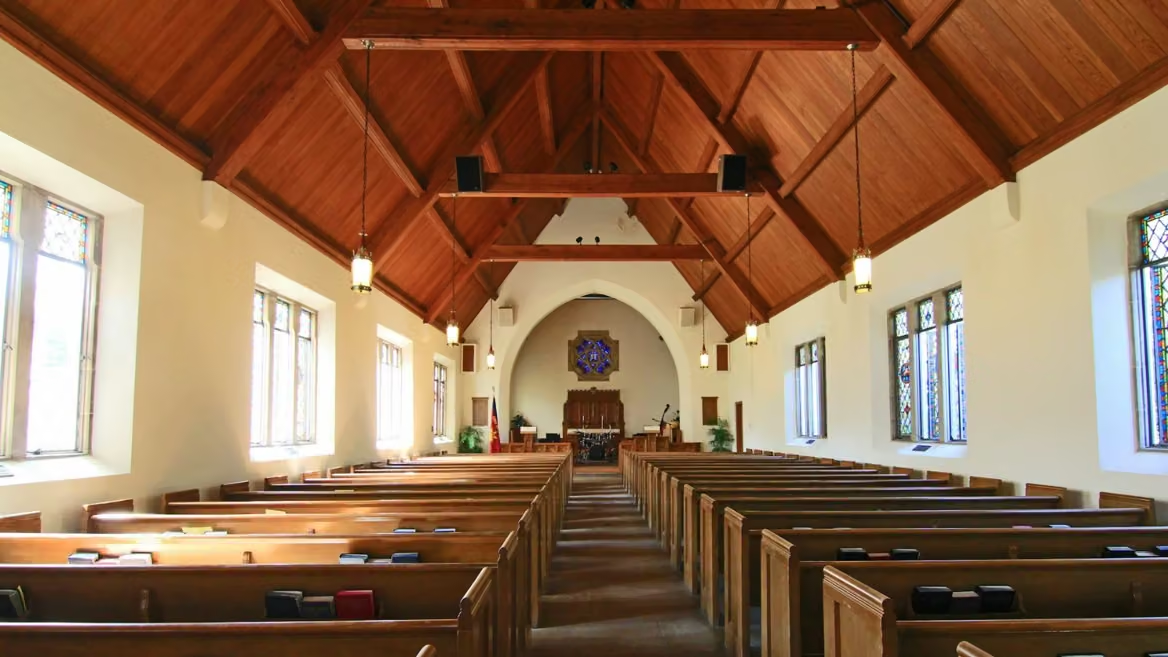
Abused by a priest, pastor, church employee or volunteer, as a child or as an adult? You can take your time.
Many survivors of clergy and church sexual abuse wait years or decades before telling anyone. CBW Law reviews whether a civil claim may be possible against the person who caused the harm and any religious organization that may share responsibility. You can Tell Us Your Story without giving a detailed account. Contacting us does not create an attorney-client relationship.
Clergy and church sexual abuse is sexual abuse committed by someone who held a religious role or worked or volunteered for a religious organization. It can involve children or adults. Survivors may be able to bring a civil claim against the person who abused them, and in some cases against a church, diocese, religious order or affiliated group, depending on what the organization knew and did. A civil claim is separate from any criminal case and from any internal church process. Deadlines vary widely by state, and some states have reopened older claims. A clergy abuse lawyer can review the rules that apply to your situation.
What clergy and church sexual abuse can involve
This kind of abuse can happen in a parish, a congregation, a religious school, a youth group, a camp, a mission trip, a retreat or a counseling session. The person responsible may be a priest, deacon, pastor, minister, rabbi, imam, elder, youth leader, choir director, teacher, employee or volunteer. What these situations share is that the person had trust and authority because of a religious role.
The CDC reports that about 90% of child sexual abuse is committed by someone the child or family knows and trusts1. A religious leader may also be trusted by parents, which can make it easier to gain access to a child and harder for anyone to question that access.
Abuse of adults
Adults can be abused too. Many people seek a religious leader's help during grief, illness, marriage problems or a personal crisis. When a leader uses that dependence to start sexual contact, the law in some states treats it as abuse even if the adult did not physically resist. Texas, for example, says a sexual assault is without consent when a clergyman causes a person to submit by exploiting the person's emotional dependency on the clergyman as a spiritual adviser2. Texas civil law also covers some clergy who provide mental health services, but not religious, moral and spiritual counseling3.
Some church bodies also treat abuse of adults as a church offense. The Catholic Church's procedures, updated in 2023, cover reports involving minors, vulnerable adults and acts committed through abuse of authority4.
Grooming and the barriers to speaking up
Abuse often follows a pattern of building trust and isolating the person. The U.S. Department of Justice's sex offender website lists warning signs in adults that include5:
- Ignoring a child's or teen's boundaries, or keeping them from setting limits
- Insisting on hugging, touching or holding when the young person does not want it
- Turning to a young person for emotional comfort or sharing private adult matters
- Having secret interactions, games or communications
- Giving gifts, money or special privileges
In a religious setting, survivors often describe being told that the relationship was spiritual or blessed, that speaking up would hurt the church, or that no one would believe them. Fear of losing a faith community, family pressure and shame can keep people silent for years. Research on child sexual abuse disclosure finds that telling someone is usually a gradual process rather than a single event, and that barriers to disclosure continue to outweigh the things that help6. Waiting is common. It does not mean what happened was your fault.
The individual and the religious institution
A civil claim can be brought against the person who committed the abuse. It may also name an organization, but only if the facts and the law support it. Being affiliated with a church does not make the church automatically responsible.
Claims against an organization usually focus on its own conduct. Questions a review may look at include:
- Hiring and screening: what the organization checked before giving the person access to children or vulnerable adults
- Supervision: whether the organization allowed one-on-one access, overnight trips or private counseling without safeguards
- Prior complaints: whether anyone had reported concerns about the person before
- Retention and transfers: whether the person was kept in ministry or moved to another place after concerns were raised
- Response to reports: whether leaders contacted civil authorities, protected the person who reported and followed their own policies
Religious organizations are structured in different ways, so the possible defendants differ too. Depending on the faith and the facts, a claim might involve a local congregation, a diocese or regional body, a religious order, a school, a camp, or a national organization. Each one's role depends on who employed, assigned and supervised the person.
Many states list clergy as mandatory reporters of suspected child abuse, though states treat confidential communications differently7. In Arizona, for example, clergy must report, but a narrow exception covers confidential communications and confessions; it does not cover what a member of the clergy personally observes8. A failure to report can matter in some civil claims. Arizona's childhood abuse statute specifically includes claims based on a failure to report9.
Civil claims, criminal cases and church proceedings
Three separate processes can follow clergy abuse, and you can choose whether to take part in each one:
- A criminal case is brought by a prosecutor to punish a crime. The survivor is not a party to the criminal case and does not need to hire a lawyer for it10.
- A civil claim is brought by the survivor and seeks money for the harm. It does not require a criminal charge or conviction.
- An internal church process is run by the religious body under its own rules. It can lead to discipline or removal from ministry, but it does not award damages and is not a court.
Church procedures do not replace the law. The Catholic Church's 2023 procedures state that they apply without prejudice to obligations under state law, including duties to report to civil authorities4. The U.S. Conference of Catholic Bishops' Charter, revised in June 2026, includes cooperation with civil authorities among its commitments11. Other faiths have their own rules. Talking with a lawyer before speaking with an internal review board can help you understand how what you share may be used.
When a diocese or religious organization files for bankruptcy
Some religious organizations facing many abuse claims have filed for bankruptcy. Others have settled outside bankruptcy. Each situation is different, so it is important to check the specific organization and court.
When an organization files for bankruptcy, federal law generally stops lawsuits against it from starting or continuing12. The bankruptcy court then sets a deadline, often called a bar date, for filing a proof of claim. A person who must file a claim and does not may not be treated as a creditor for voting and payment13. A bar date can be much earlier than a state's ordinary filing deadline.
- A bankruptcy plan may create a trust with its own rules for reviewing and paying abuse claims, as in the Boy Scouts of America case14.
- Claims against other people or organizations, such as the individual abuser or a separate entity, may or may not be affected. That depends on the plan and the court's orders.
- Settlement amounts in one bankruptcy or settlement do not show what any other survivor's claim is worth.
In October 2026, for example, the Archdiocese of New York announced a settlement with about 1,300 survivors that, as reported, avoids a bankruptcy filing. Our news article explains what was announced and what it does not mean for people who never filed a claim.
Filing deadlines for a clergy abuse lawsuit
There is no single national deadline. The time to file depends on the state, your age when the abuse happened, when you understood the harm, and who the claim is against. These examples were verified against the statutes on November 6, 2026:
- Arizona: a claim based on sexual abuse of a minor generally must be filed within twelve years after the survivor turns 189. A 2019 law revived older claims until December 31, 2020, and that window has closed15.
- California: for childhood sexual assault that happened on or after January 1, 2024, there is no time limit. Older abuse follows the law as it read on December 31, 202316, generally until age 40 or five years from discovering the injury, whichever is later17. A revival window for older claims ran from January 1, 2020, through December 31, 202217.
- New York: survivors of childhood sexual abuse may sue the abuser or a responsible institution until age 551810. The Child Victims Act window for older claims closed on August 14, 202119.
- Texas: claims based on listed child sexual abuse offenses generally must be filed within 30 years after the claim accrues20.
Adults abused by clergy may face shorter deadlines. Some states have opened temporary windows for adult survivors too. California, for example, currently has a window for certain older adult sexual assault claims that runs through December 31, 2027, with special requirements for claims against private entities21. Our page on sexual abuse lookback windows and filing deadlines explains these laws in more detail.
Records that may help a clergy sexual abuse claim
You do not need any documents to ask for a review. Many survivors have none, especially when the abuse happened long ago. If you have any of these, keep them somewhere safe:
Records that may be useful
Your own notes
- A dated note of what you remember, in your own words, kept private
- Names of people you told, and roughly when
- Names of possible witnesses or others who may have been harmed
Church connections
- Where the person served, and the years
- Parish bulletins, directories, photos or programs
- Letters, cards, emails, texts or social media messages
Prior reports
- Any report you made to the church, police or child protective services
- Responses or letters you received
- Public lists of accused clergy, if the organization keeps one
Treatment records, only if relevant
- Counseling or medical records you choose to share
- Insurance statements showing dates of care
A lawyer can request records from churches, schools and agencies, so you do not need to gather them yourself. Federal law gives you the right to get copies of most of your own medical records22.
Privacy and the limits of anonymity in court
Many survivors worry about their name becoming public. The answer depends on the court and the process:
- Contacting a lawyer does not file anything or notify anyone. You decide what to share and when.
- Lawsuits are generally public. The federal rules require a complaint to name the parties, so filing under initials or a pseudonym usually requires the court's permission23. State courts have their own rules.
- In a lawsuit, the other side can ask questions and request records, which may include counseling records if your emotional harm is part of the claim.
- Federal evidence rules limit evidence about a survivor's other sexual behavior in civil cases, though they do not bar it in every situation24.
- Bankruptcy claims processes often have their own confidentiality procedures, set by the court.
No lawyer can promise complete anonymity. A clergy abuse attorney can explain the options in the court where a claim would be filed before you decide anything.
Privacy when you contact us
You choose what to share. The form asks for your name, email and phone so we can reach you. The description box is optional, and you do not need to describe what happened in detail to ask for a review.
After you submit the form, a copy of what you sent is emailed to the address you enter. If someone else can read that inbox or your phone's messages, consider leaving the description blank, using an email address only you can access, or calling us instead. You can use the description box to tell us the safest way and time to reach you.
We treat what you share with care. Even so, information you send through a website or email is not the same as a privileged attorney-client communication, and submitting the form does not create an attorney-client relationship or guarantee representation.
What happens after you contact CBW Law
How a review works
-
You reach out
Use the form or call. Share only what you are comfortable sharing. A short note, or none at all, is enough to start.
-
We talk at your pace
We ask a few questions about where and when it happened and who was involved. You can skip any question.
-
We look at the law that applies
We check the deadlines, the possible defendants and any notice or bankruptcy rules that may apply where it happened.
-
We explain your options
We tell you what we found and what we did not find. Deciding whether to take any step is up to you.
What happened was not your fault, no matter how long ago it was, how it began or who the person was.
Plain English
Medical, Health & Insurance
Words you may see in church records, court papers and medical records.
Church and legal terms
- Diocese
- A regional unit of some churches, led by a bishop, that oversees parishes and clergy in an area.
- Religious order
- A community of members, such as monks, nuns or brothers, that may assign its own members to parishes, schools or ministries.
- Bar date
- The deadline a bankruptcy court sets for filing a proof of claim13.
- Mandatory reporter
- A person required by state law to report suspected child abuse; many states include clergy7.
Care and support
- Post-traumatic stress disorder (PTSD)
- A condition in which fear, stress or memories of a traumatic event continue long afterward and get in the way of daily life25.
- Trauma-informed care
- An approach to care that recognizes the effects of trauma and avoids practices that may cause further harm.
- Victim compensation
- A state program that may repay some crime-related costs, such as medical care, counseling and lost wages, under that state's rules26.
Records and insurance
- Right of access
- Your federal right to see and get copies of most of your medical and billing records22.
- Psychotherapy notes
- A therapist's separately kept notes about session content, which are treated differently from the rest of a medical record27.
- Explanation of benefits (EOB)
- A health plan statement listing what was billed, what the plan paid and what you owe. It can help confirm dates of treatment.
Questions
Frequently asked clergy abuse lawsuit questions
Short answers to questions survivors often ask. Every situation depends on its facts and the state where it happened.
Can adults bring clergy sexual abuse claims?
Sometimes. Adults abused by a religious leader may have civil claims, and some states treat exploitation of a person's emotional dependency on a spiritual adviser as a crime2. Deadlines for adults are often shorter than for childhood abuse, so it helps to ask a clergy abuse lawyer early.
What if the abuse happened decades ago?
You may still have options. Some states give childhood survivors until a certain age, such as 55 in New York18, and some have reopened expired claims for a time. Others have not. A review can check the rules for the state where it happened.
What if the religious institution filed for bankruptcy?
Do I need to have reported the abuse before?
No. You do not need a prior report to the church, the police or anyone else to ask about a church sexual abuse lawsuit. If you did report, records of that report may help.
Does there need to be a criminal conviction?
No. A civil claim is separate from a criminal case and uses a different standard of proof. Many civil claims involve people who were never charged.
Can I sue the church, or only the person who abused me?
It depends on the facts. A claim against a church, diocese or order usually requires evidence that the organization itself failed in a duty, such as ignoring warnings or failing to supervise. Affiliation alone is not enough.
Will my name be made public in a clergy abuse lawsuit?
Court cases are usually public, but some courts allow survivors to use initials or a pseudonym with permission23. A lawyer can explain the options before anything is filed.
Will I have to talk about every detail?
Not to start. A first conversation can be brief, and you can skip questions. If a lawsuit is filed later, you may be asked about what happened, and your lawyer can prepare you.
Does a church's internal investigation affect my claim?
An internal process is separate from a civil claim and does not decide your legal rights4. It may create records that matter later, so it can help to talk with a lawyer before taking part.
Does contacting CBW Law mean I am filing a lawsuit?
No. Telling us your story starts a conversation. It does not create an attorney-client relationship or guarantee representation, and you decide what happens next.
Tell Us Your Story
If someone in a religious role abused you, you can ask questions without having every answer or every document.
Tell us as much or as little as you want, and let us know the safest way to reach you. We will explain what a claim review could involve.
Submitting information does not establish an attorney-client relationship or guarantee that CBW Law will represent you. Every claim depends on its own facts and the law that applies.
Tell Us Your Story Call (800) 476-2416
This page is general information, not legal advice. Reading it or contacting CBW Law does not create an attorney-client relationship. Allegations described here are allegations unless a court or agency has made a finding. Laws and deadlines differ by state and change over time; state-specific statements were last verified on November 6, 2026. No outcome can be promised in any case. If you are in immediate danger, call 911.


