Case category Sexual Assault & Abuse
Property Manager & Building Super Sexual Assault
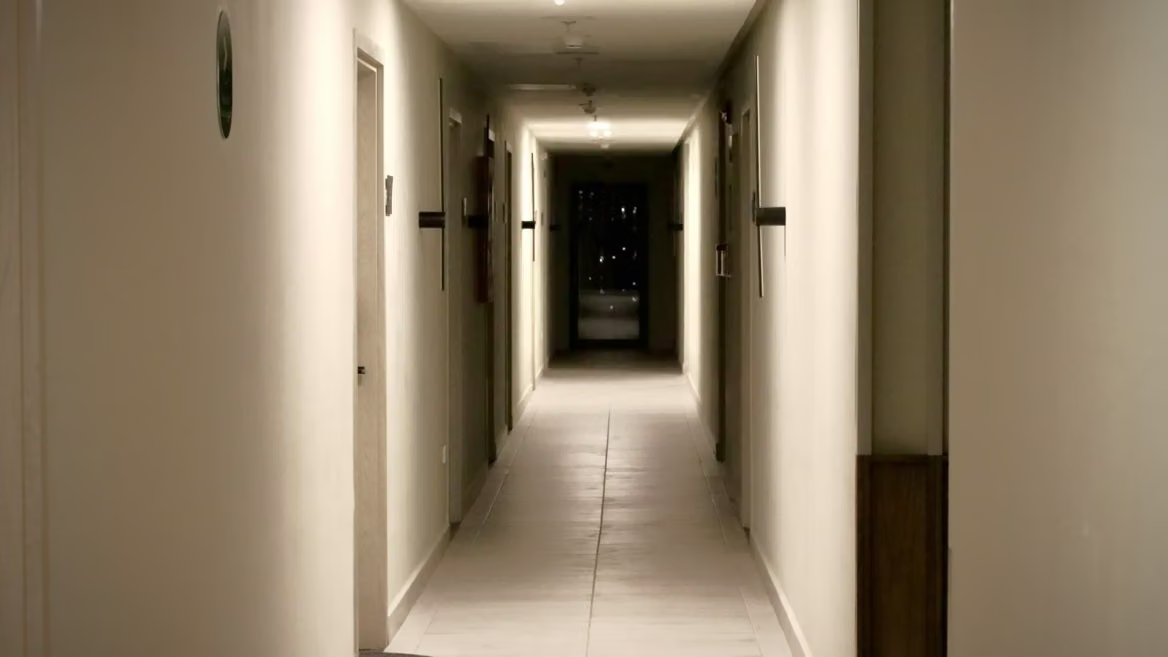
Assaulted or pressured for sex by someone who controls your home? Needing a place to live is not consent, and you can tell us what happened.
A property manager, building super or maintenance worker may have keys to your home and a say over your rent, your repairs and your lease. When that person sexually assaults or harasses a tenant, federal fair housing law, state landlord-tenant law and ordinary injury law may all apply, and the building’s owner or management company may be responsible too. You can Tell Us Your Story without a detailed account. Contacting us does not create an attorney-client relationship.
Your home is supposed to be the one place you can lock the door. When the person with the master key, or the person who decides whether your lease is renewed, uses that power for sex, the law treats it seriously. Federal rules say an unwelcome sexual demand tied to housing can be illegal even if the tenant gave in to it. Owners and management companies can be held responsible for their managers and staff. A tenant harassment lawyer can help you understand which claims may fit.
What property manager sexual abuse can look like
Federal enforcement cases describe a familiar pattern1. It can include:
- Sexual assault or unwanted touching in your unit, a hallway or an office
- Entering your home without notice or permission
- Offering reduced rent, deposits or fees in exchange for sex
- Threatening eviction or nonrenewal if you refuse
- Delaying or refusing repairs after you say no
- Sexual comments, texts or photos you did not ask for
- Showing up at your door at night or watching your comings and goings
- Targeting tenants who are behind on rent or have nowhere else to go
The people involved may be a property manager, a leasing agent, a building superintendent, a maintenance worker, an on-site manager or the landlord personally. The Justice Department’s Sexual Harassment in Housing Initiative focuses on exactly these roles: landlords, property managers, maintenance workers and others who control housing2.
Sexual harassment is illegal under fair housing law
The federal Fair Housing Act bars discrimination because of sex in the terms, conditions or privileges of renting a home3. It also bars threats, coercion and interference with people who use their fair housing rights4. A HUD rule describes two kinds of illegal harassment5:
- Quid pro quo harassment: an unwelcome sexual request or demand made a condition of renting, the terms of the lease, or services such as repairs. The rule says this can be harassment even if the tenant gives in.
- Hostile environment harassment: unwelcome conduct severe or pervasive enough to interfere with your use and enjoyment of your home.
Another HUD rule lists specific illegal acts, including failing or delaying repairs because of sex and limiting services because a person refused to provide sexual favors6.
Keys, entry and your right to privacy
State landlord-tenant laws limit when a landlord or its staff can come into your home. For example:
- Arizona requires notice before entry except in an emergency or where notice is impracticable, and says a landlord must not abuse the right of access or use it to harass the tenant7.
- California limits entry to specific reasons, generally requires reasonable written notice and normal business hours, and bars a landlord from using access to harass a tenant8.
Who controlled the master keys, whether entries were logged and whether repair visits followed the rules can all matter. If an assault happened because locks, lighting or building access were neglected, our guide to sexual assault and negligent security explains how those claims work.
When the owner or management company is responsible
Under HUD’s liability rule, an owner or company may be directly liable for failing to act on harassment by its employee or agent that it knew or should have known about. It can also be vicariously liable for its agent’s or employee’s conduct, consistent with agency law9. The same rule says a fix may not punish the person harassed, for example by evicting them9.
In a February 2026 settlement, the Justice Department resolved claims that two Kentucky property managers harassed female tenants for years. The lawsuit named 17 property owners as responsible for their managers’ conduct, and the settlement barred the two men from managing rental property1. Questions a review may ask include:
- Did other tenants complain about the same person, and what happened?
- Did the company check the person’s background before giving them keys?
- Was anyone supervising the super or on-site manager?
- After you complained, did your rent, repairs or lease change?
- Does the building receive public housing funds, which can add other rules?
Where you can report
These are separate paths, and you can use more than one or none:
- Police: for a crime such as sexual assault or unlawful entry.
- HUD or a state or local fair housing agency: HUD accepts complaints online, by phone and by mail10.
- The Justice Department: its Housing Discrimination Tip Line is 1-800-896-77431.
- A civil claim: a lawsuit you bring for money damages, which does not require a criminal charge.
Filing deadlines for a property manager sexual assault lawsuit
Every claim has a time limit, and some are shorter than people expect. The deadline that applies depends on your state, the type of claim and the facts of your situation.
Do not wait, and do not assume it is too late. Tell us your story as soon as you can, and we will look at the time limits that apply to you.
Records that may help
You do not need any documents to ask for a review. Keep what you have, and do not worry about what you do not have.
Records that may be useful
Your tenancy
- Your lease and any renewal or nonrenewal notice
- Rent receipts, ledgers and late notices
- Repair requests and when they were handled
The person
- Texts, call logs, voicemails or social media messages
- Notes of dates the person entered or came to your door
- Photos or video of your door, lock or hallway, if safe to take
Reports
- Names of neighbors or others you told
- Any police report or fair housing complaint
- Medical or counseling records you choose to share
Privacy when you contact us
You choose what to share. The form asks for your name, email and phone so we can reach you. The description box is optional, and you do not need to describe what happened in detail to ask for a review.
After you submit the form, a copy of what you sent is emailed to the address you enter. If someone else can read that inbox or your phone’s messages, consider leaving the description blank, using an email address only you can access, or calling us instead. You can use the description box to tell us the safest way and time to reach you.
We treat what you share with care. Even so, information you send through a website or email is not the same as a privileged attorney-client communication, and submitting the form does not create an attorney-client relationship or guarantee representation.
What happens after you contact CBW Law
How a review works
-
You reach out
Use the form or call. Share only what you are comfortable sharing. A short note, or none at all, is enough to start.
-
We talk at your pace
We ask a few questions about where and when it happened and who was involved. You can skip any question.
-
We look at the law that applies
We check the deadlines, who owns and manages the property, any public-housing rules, and the state and federal laws that may apply.
-
We explain your options
We tell you what we found and what we did not find. Deciding whether to take any step is up to you.
No one should have to trade their safety for a place to live.
Plain English
Medical, Health & Insurance
Words you may see in housing complaints, medical records and court papers.
Housing and legal terms
- Quid pro quo harassment
- A sexual demand made a condition of housing, rent or services, which can be illegal even if the tenant gives in5.
- Hostile environment harassment
- Unwelcome conduct severe or pervasive enough to interfere with the use and enjoyment of a home5.
- Vicarious liability
- Responsibility of an owner or company for what its agent or employee did9.
- Right of entry
- The limited legal right of a landlord or its staff to come into a rented home, usually with notice8.
Care after an assault
- Medical forensic exam
- An exam after a sexual assault that can treat injuries and collect evidence, done under state and local rules.
- Post-traumatic stress disorder (PTSD)
- A condition in which fear, stress or memories of a traumatic event continue long afterward and get in the way of daily life11.
- Victim compensation
- A state program that may repay some crime-related costs, such as medical care, counseling and lost wages12.
Questions
Frequently asked property manager sexual assault lawsuit questions
Short answers to questions tenants ask. Every situation depends on its facts and the state where it happened.
I went along with it because I needed the apartment. Do I still have a claim?
You may. HUD’s rule says an unwelcome demand can be quid pro quo harassment even if the person gives in5. Needing housing is not consent.
Can the building owner be responsible for what the super did?
Sometimes. An owner may be liable for failing to act on harassment it knew or should have known about, and vicariously liable for its agents and employees9.
Will I be evicted if I report?
The person came into my apartment without warning. Is that allowed?
I live in public or subsidized housing. Does this page apply?
Yes. Fair housing rules apply, and claims involving a public housing authority may also involve special notice rules with short time limits. Ask early.
Do I need a police report?
No. A civil claim does not require a police report, a criminal charge or a conviction.
How long do I have to file?
Every claim has a time limit, and it depends on your state and the facts. Contact us as soon as you can so a lawyer can check the deadline that applies to you.
Does contacting CBW Law mean I am filing a lawsuit?
No. It starts a conversation. It does not create an attorney-client relationship or guarantee representation.
Tell Us Your Story
If someone who manages or maintains your home sexually assaulted or pressured you, you can ask questions before deciding whether to report or file anything.
Tell us as much or as little as you want, and the safest way to reach you. Time limits apply, so it helps to reach out soon.
Submitting information does not establish an attorney-client relationship or guarantee that CBW Law will represent you. Every claim depends on its own facts and the law that applies.
Tell Us Your Story Call (800) 476-2416
This page is general information, not legal advice. Reading it or contacting CBW Law does not create an attorney-client relationship. Allegations described here are allegations unless a court or agency has made a finding. Laws and deadlines differ by state and change over time; state-specific statements were last verified on November 16, 2026. No outcome can be promised in any case. If you are in immediate danger, call 911.


