Case type Occupational Disease & Toxic Exposure
Coal Workers’ Pneumoconiosis & Black Lung
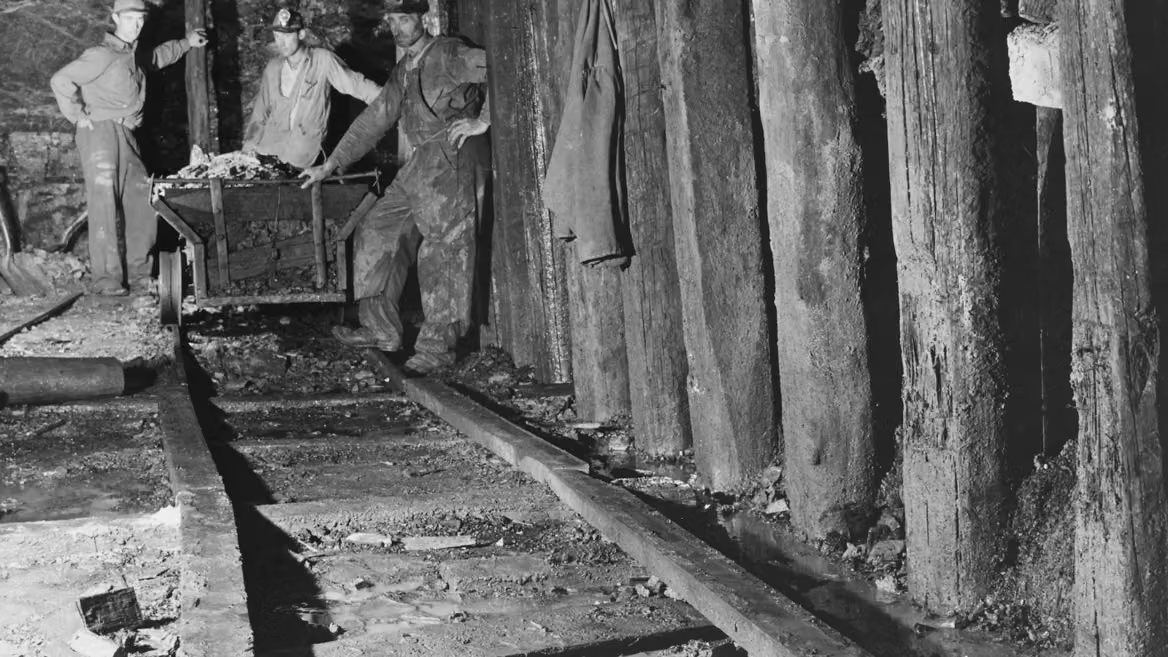
Mined coal and now short of breath or diagnosed with black lung? Tell us your story.
CBW Law reviews claims from coal miners and their families involving coal workers’ pneumoconiosis. Tell Us Your Story. Contacting us does not create an attorney-client relationship.
Coal workers’ pneumoconiosis, known as black lung, is lung disease caused by breathing coal mine dust. It ranges from a mild form seen on X-rays to progressive massive fibrosis, a severe and disabling form. A federal program provides benefits to miners totally disabled by the disease and to survivors. A black lung lawyer helps miners and families understand the medical evidence and the separate routes for benefits and claims.
What black lung is
Coal workers’ pneumoconiosis occurs in two forms: simple, and complicated, also called progressive massive fibrosis1. Symptoms can include cough, shortness of breath and coughing up black sputum1. The outlook for the simple form is usually good; the complicated form can be disabling1.
Severe disease remains a problem. A 2018 study described 416 miners with progressive massive fibrosis identified at three clinics in Virginia2.
Black lung, silicosis and other lung disease
Coal mine dust can contain silica, and miners can develop silicosis, which is a related but separate disease. See Silicosis. Miners can also have COPD and other conditions. Doctors distinguish these with imaging, lung function tests and work history.
Federal black lung rules recognize both "clinical" pneumoconiosis, the disease doctors see on imaging, and "legal" pneumoconiosis, a broader category of lung disease arising from coal mine work3. That is one reason a COPD diagnosis does not automatically rule out a benefits claim.
How it is diagnosed
- Chest X-ray, often read by specially trained readers
- Chest CT scan
- Lung function (pulmonary function) tests
- Detailed work history, including years and jobs underground or at the surface
Tests are used together; a single test rarely tells the full story1.
Federal black lung benefits
The federal Black Lung Benefits Act provides compensation to coal miners who are totally disabled by pneumoconiosis arising out of coal mine employment, and to survivors of miners whose deaths are attributable to the disease, along with medical coverage for related lung disease4. Miners apply on Form CM-911 and survivors on Form CM-9125. A claim can be filed on behalf of someone who cannot file for themselves5.
A free lung evaluation
A miner who applies can get a complete pulmonary evaluation at no cost: a physical exam, a breathing test, a chest X-ray and a blood gas study6. The miner chooses the doctor from a list of authorized physicians, and the program pays for the exam and travel6.
The 15-year presumption
Miners with 15 or more years of underground work, or surface work with similar dust conditions, who have a totally disabling breathing impairment can rely on a presumption that the disability, or the death, was caused by black lung3. The other side can try to rebut it3. Survivors can use the same presumption3.
What the presumption needs
- Work history
- 15 years underground or in substantially similar surface conditions3.
- Total disability
- A totally disabling respiratory or pulmonary impairment3.
- Result
- Pneumoconiosis is presumed to have caused the disability or death, unless rebutted3.
Work records, Social Security earnings and coworker statements often prove the years.
Dust rules and mine conditions
In 2024 MSHA lowered the silica limit for all miners7, but a federal appeals court stayed the compliance deadlines in 2025 and MSHA continues to enforce the earlier standards while it proposes a new rule8. Mine dust records and citations can be useful context in a review.
Jobs and work histories that matter
- Continuous miner and longwall operators at the working face
- Roof bolters, who drill into rock that can contain silica
- Surface miners and drillers, especially with dusty conditions
- Preparation plant and tipple workers
- Contract miners who moved between mines and companies
Many miners worked for several companies over a career, and some of those companies no longer exist. That does not end a claim. The black lung program has rules for which company, insurer or fund is responsible.
Survivors and families
Widows, widowers and some other survivors can file their own claim when a miner’s death is attributable to black lung45. Death certificates and autopsy reports sometimes miss black lung, so a review also looks at the miner’s treatment records and work history.
Symptoms miners often describe
- Shortness of breath, first with effort and later at rest1
- A cough that does not go away1
- Coughing up black sputum1
- Trouble keeping up at work or with daily tasks
Early black lung may cause no symptoms at all and show up only on an X-ray1. That is why miners are encouraged to get regular chest X-rays, and why a normal feeling day does not rule out disease.
If a claim was denied
Many black lung claims are denied the first time, and some miners file more than once as their breathing gets worse. A denial does not always end the matter. A black lung attorney can look at the reason for the denial, the medical evidence that was missing and whether new tests or a worsening condition change the picture.
Filing deadlines for a black lung claim
Every claim has a time limit, and some are shorter than people expect. The deadline that applies depends on your state, the type of claim and the facts of your situation.
Do not wait, and do not assume it is too late. Tell us your story as soon as you can, and we will look at the time limits that apply to you.
Records that help
Records worth gathering
Work
- Mines, employers and years
- Job titles: continuous miner operator, roof bolter and others
- Union and Social Security earnings records
Medical
- Chest X-rays and CT scans
- Lung function tests
- Pulmonologist notes
Claims
- Any prior black lung claim and decisions
- State workers’ compensation records
What happens after you contact CBW Law
How a review works
-
Tell us what happened
Tell us where and when you mined and what doctors have found. You do not need records first.
-
We review the routes
We look at federal benefits, any prior claims and other options.
-
We gather records
With your permission, we request work, medical and other records from the places involved.
-
We explain what we see
We tell you what the records show, what questions remain and what options may be open, including deadlines.
Years underground leave a medical and work record. A review puts the two together.
Plain English
Medical, Health & Insurance
Terms you may see in black lung records.
Disease terms
Testing terms
Questions
Black lung claim and lawsuit questions
Short answers to the questions people ask first.
What is black lung?
Coal workers’ pneumoconiosis, lung disease caused by breathing coal mine dust.
Who can get federal black lung benefits?
Coal miners totally disabled by black lung from mine work, and survivors of miners whose deaths are attributable to it.
Do I have to pay for the lung tests?
No. A miner who applies can get a complete pulmonary evaluation paid for by the program.
What is the 15-year presumption?
Miners with 15 years of qualifying work and a totally disabling breathing impairment are presumed to have black lung disability unless the other side proves otherwise.
Is a benefits claim the same as a lawsuit?
No. They are separate processes with different rules.
Can family members file?
Survivors of miners whose deaths were due to black lung may file for benefits.
I was denied before. Can I ask again?
A black lung lawyer can review a prior denial and what has changed.
Is black lung the same as silicosis?
No, though miners can have both.
How long do I have to file?
Every claim has a time limit, and it depends on your state and the facts. Contact us as soon as you can so a lawyer can check the deadline that applies to you.
Do I need X-rays first?
No. We can help identify the records.
What does it cost to contact CBW Law?
Telling us your story costs nothing, and contacting us does not create an attorney-client relationship.
Tell Us Your Story
If years in coal mining left you or a family member with lung disease, a black lung attorney can review what happened.
Tell us what happened. CBW Law will review your information and explain what we see. Submitting information does not establish an attorney-client relationship or guarantee representation.
Tell Us Your Story Call (800) 476-2416
This page is general information about coal workers’ pneumoconiosis. It is not legal or medical advice and does not create an attorney-client relationship. A diagnosis does not by itself establish entitlement to benefits or a claim. No outcome can be promised.