Case type Occupational Disease & Toxic Exposure
Benzene Exposure & Leukemia
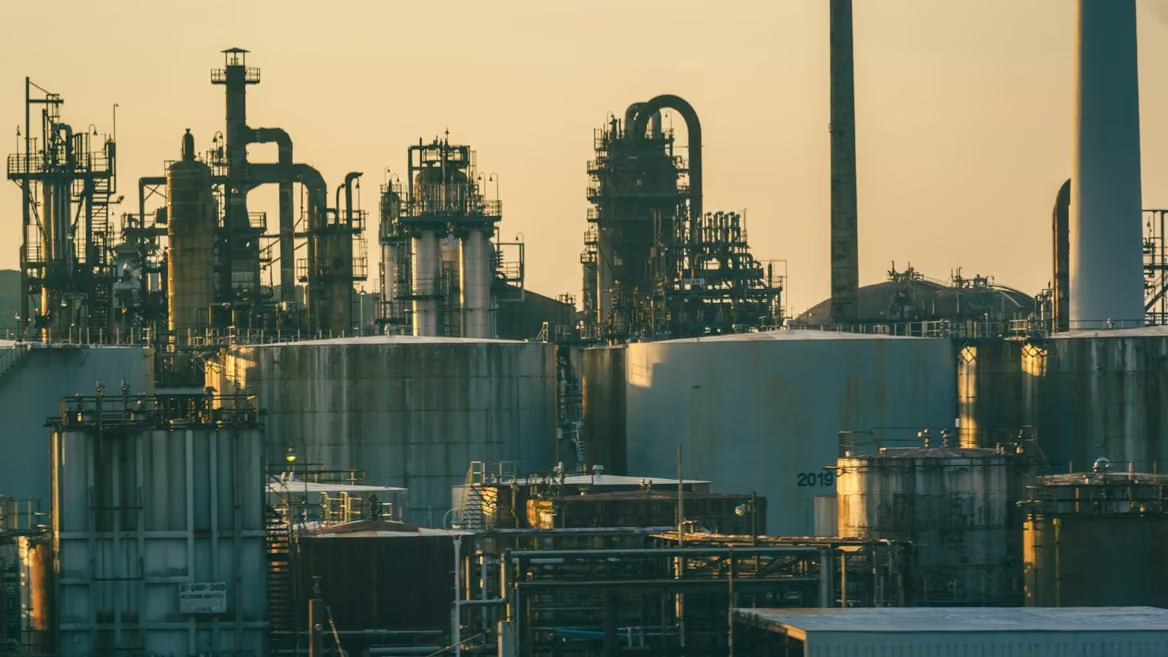
Diagnosed with leukemia after years around fuel, solvents or chemical plants? Tell us your story.
CBW Law reviews claims from people diagnosed with leukemia or related blood disorders after benzene exposure at work or from contaminated products. Tell Us Your Story. Contacting us does not create an attorney-client relationship.
Benzene is a chemical in crude oil, gasoline and many industrial processes. Health agencies agree that long-term exposure damages the blood and bone marrow and can cause leukemia. Whether a particular person's leukemia is connected to benzene depends on how much exposure they had, for how long, and exactly which blood cancer they were diagnosed with. A benzene lawyer starts with the work history and the diagnosis.
What benzene is
Benzene is a colorless liquid that evaporates quickly. It is found in cigarette smoke, gasoline and vehicle exhaust, and it is used to make plastics, resins, nylon, detergents, rubber and other products1. It can also show up in some glues, adhesives, cleaning products and paint strippers2. Smoking accounts for about half of benzene exposure in the U.S. population2, which matters when a review looks at other sources.
Benzene is not the same as "solvents" in general. Many solvents contain no benzene at all. For other chemicals, see Chemical & Solvent Exposure.
Where workplace exposure happens
Benzene enters the body mainly through breathing, and it can also be absorbed through the skin3. Health agencies name these settings1:
- Plants that make or use benzene, including petroleum refining and chemical manufacturing
- Gas stations and fuel handling
- Dry cleaning
- Firefighting
- Work near underground fuel tanks, landfills and hazardous waste sites
Tasks that tend to matter most
Job titles can hide very different exposures. Two people at the same refinery may have had little in common. A review usually asks about tasks like these:
- Opening, gauging or cleaning tanks, vessels and lines that held fuel or benzene streams
- Taking product samples or changing filters by hand
- Using fuel, thinners or solvent blends to clean parts, tools or skin
- Working near loading racks, rail cars, tank trucks or marine terminals
- Maintenance turnarounds, when closed systems are opened up
- Laboratory work with petroleum products
Federal workplace limits show how seriously regulators take benzene. OSHA's limit is 1 part per million averaged over a shift; NIOSH recommends a far lower 0.1 ppm3. Exposure below a legal limit does not rule out a claim, and exposure above it does not prove one.
Medical monitoring under the OSHA benzene standard
OSHA's benzene standard does more than set an air limit. It sets an action level of 0.5 ppm averaged over a shift, and it requires employers to offer medical surveillance to workers who are exposed at or above that level on 30 or more days a year, or above the legal limit on 10 or more days a year4. The exam includes a work history and a complete blood count with a differential, repeated yearly4.
Why these records can matter
- Blood counts
- Years of yearly blood tests can show when counts began to change.
- Air monitoring
- Employers must keep exposure measurements for at least 30 years4.
- Medical files
- Surveillance records are kept for the length of employment plus 30 years4.
- Your access
- Workers and their representatives can request exposure and medical records4.
Some work is outside the standard, including retail fuel dispensing and oil and gas drilling and production4. Those workers can still have been exposed.
Benzene in consumer products
Benzene can also turn up where it does not belong. FDA has warned drug makers that some ingredients, including certain thickeners and benzoyl peroxide, can be sources of benzene contamination5. In 2025 FDA tested 95 benzoyl peroxide acne products and found elevated benzene in six, which led to limited recalls; FDA said more than 90% had undetectable or extremely low levels and called the cancer risk from these products very low6.
Product contamination is a different question from workplace exposure. A product claim depends on the exact product and lot, how it was used and the level of benzene involved.
What the evidence shows about leukemia
Long-term benzene exposure reduces red and white blood cells and can lead to anemia, and it can cause leukemia, including acute myelogenous leukemia1. NCI states that benzene exposure increases the risk of leukemia and other blood disorders2. OSHA links long-term workplace exposure to leukemia deaths, and notes that some people developed leukemia after exposures lasting from under five years to more than 307.
Why the exact diagnosis matters
- Leukemia subtype: acute myeloid, acute lymphoblastic, chronic lymphocytic or chronic myeloid
- Related bone marrow disorders such as myelodysplastic syndromes or aplastic anemia
- Dates of diagnosis compared with the years of exposure
- Other risk factors, such as smoking or prior chemotherapy
A treating hematologist's records usually answer these questions. You do not need to sort them out before contacting us.
Short-term exposure is a different problem
Breathing high levels of benzene over a short time can cause drowsiness, dizziness and unconsciousness7. Those effects pass or need emergency care; they are not the same as leukemia, which develops after longer exposure. If you were sick right after a release or spill, get medical care first and keep the records.
What exposure records can show
Many claims turn on how much benzene a person actually breathed or touched. Useful records include:
Records that may help
Work history
- Employers, job titles and years
- Specific tasks, such as tank cleaning or fuel transfer
- Union records
Exposure
- Air monitoring results the employer already has
- Safety data sheets for products used
- Respirator and medical surveillance records
Medical
- Bone marrow biopsy and pathology reports
- Blood counts over time
- Hematology and oncology notes
A safety data sheet shows that a product contained benzene8. It does not show how much a particular worker was exposed to. Coworkers, job descriptions and existing monitoring data often fill that gap.
Who may be responsible
Depending on the facts, a benzene lawsuit may look at manufacturers or suppliers of benzene-containing products, companies that controlled a worksite where the person was not their employee, and makers of contaminated consumer products. Contractors at refineries and plants often worked on sites owned by someone else, which can matter. Claims against a direct employer are often handled through workers' compensation, and the rules differ by state.
Families and survivors
Leukemia is sometimes diagnosed after a person has retired or moved on, and some families start asking questions only after a death. A spouse or child can contact us with what they know about the person's jobs. Old pay stubs, union cards, photos and coworkers' names are often enough to start. See also Wrongful Death.
Filing deadlines for a benzene leukemia lawsuit
Every claim has a time limit, and some are shorter than people expect. The deadline that applies depends on your state, the type of claim and the facts of your situation.
Do not wait, and do not assume it is too late. Tell us your story as soon as you can, and we will look at the time limits that apply to you.
What happens after you contact CBW Law
How a review works
-
Tell us what happened
Tell us where you worked or what product you used, and your diagnosis. You do not need records first.
-
We map the exposure
We list each job, task and product that may have involved benzene.
-
We gather records
With your permission, we request work, medical and other records from the places involved.
-
We explain what we see
We tell you what the records show, what questions remain and what options may be open, including deadlines.
Benzene exposure does not mean a person will develop leukemia, and leukemia does not always mean benzene was the cause. A review looks at both.
Plain English
Medical, Health & Insurance
Terms you may see in benzene and leukemia records.
Blood cancers
- Acute myeloid leukemia (AML)
- A fast-growing cancer of the bone marrow; also called acute myelogenous leukemia1.
- Myelodysplastic syndromes
- Disorders in which the bone marrow does not make healthy blood cells.
- Aplastic anemia
- Bone marrow failure leading to low counts of all blood cells.
Tests
- Complete blood count (CBC)
- A blood test counting red cells, white cells and platelets; part of OSHA benzene monitoring4.
- Bone marrow biopsy
- A sample of marrow used to confirm the type of blood cancer.
Exposure terms
Questions
Benzene leukemia lawsuit questions
Short answers to the questions people ask first.
What is a benzene lawsuit?
A claim that exposure to benzene from a product or a workplace caused leukemia or a related blood disorder.
Which work histories may be relevant?
Refining, chemical manufacturing, fuel handling, gas stations, dry cleaning and firefighting are among the settings health agencies name. The tasks matter as much as the job title.
Why does the exact leukemia diagnosis matter?
The evidence is strongest for acute myeloid leukemia and bone marrow damage. A benzene lawyer looks at the pathology report to see which diagnosis applies.
Can I get my old blood test results from work?
Often, yes. OSHA requires employers to keep benzene medical surveillance records and to give them to workers on request. A benzene attorney can help ask for them.
What can exposure records establish?
They can show where benzene was present and sometimes how much. They rarely tell the whole story alone, so work history and coworker accounts matter too.
I used a recalled acne product. Do I have a claim?
A recall alone is not a claim. FDA called the cancer risk from those products very low. A benzene attorney would look at the product, use and diagnosis.
Does smoking end a claim?
No, but it is a factor a review will consider.
My father died of leukemia after years at a refinery. Can our family ask?
Yes. Families can ask a benzene lawyer to review a work history after a death.
How long do I have to file?
Every claim has a time limit, and it depends on your state and the facts. Contact us as soon as you can so a lawyer can check the deadline that applies to you.
Do I need my old employer's records first?
No. We can help identify and request records.
What does it cost to contact CBW Law?
Telling us your story costs nothing, and contacting us does not create an attorney-client relationship.
Tell Us Your Story
If you were diagnosed with leukemia after benzene exposure at work or from a product, a benzene attorney can review what happened.
Tell us what happened. CBW Law will review your information and explain what we see. Submitting information does not establish an attorney-client relationship or guarantee representation.
Tell Us Your Story Call (800) 476-2416
This page is general information about benzene exposure and leukemia claims. It is not legal or medical advice and does not create an attorney-client relationship. Exposure to benzene does not by itself establish that it caused any person's illness. Laws differ by state, and no outcome can be promised.