Case type Mental Health & Behavioral Health Liability
Suicide in Custody or Institutional Care
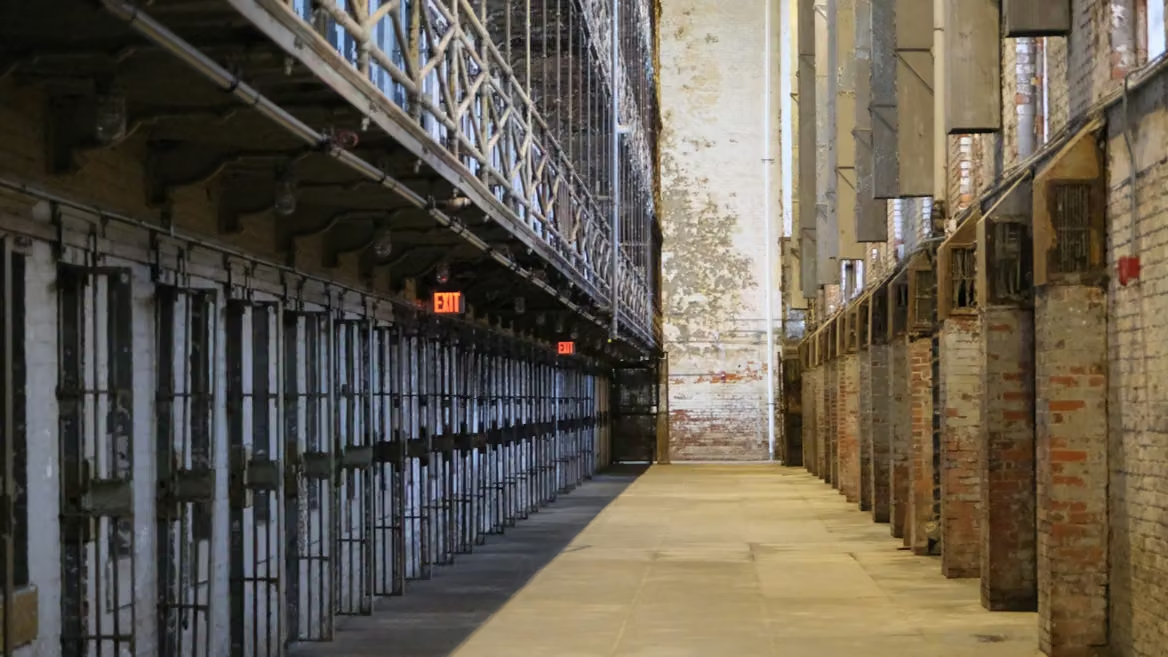
Did someone you love die or attempt suicide in a jail, prison or locked facility? Tell us your story.
CBW Law reviews suicide and attempted-suicide claims involving jails, prisons, juvenile facilities, psychiatric hospitals and other institutions. Tell Us Your Story. Contacting us does not create an attorney-client relationship.
When a jail, prison, juvenile facility or locked treatment setting takes custody of a person, it controls their surroundings, their access to care and who checks on them. Suicide in custody claims ask whether the facility screened for risk, watched people it knew were at risk, removed obvious dangers and responded quickly when something went wrong. A jail suicide lawyer looks at intake records, observation logs, video and policies to see what was known and what was done.
If someone is in danger now
Call or text 988, or chat at 988lifeline.org, to reach the 988 Suicide & Crisis Lifeline. It is free, confidential and available 24/71.
If a life is in immediate danger, call 911. Legal questions can wait.
Why custody settings are different
People in custody cannot see their own doctor, call for help freely or leave. That is why facilities are expected to plan for suicide risk. Federal data show the problem has grown: according to Bureau of Justice Statistics data cited by the National Institute of Corrections, suicides from 2001 to 2019 increased 85% in state prisons, 61% in federal prisons and 13% in local jails2.
A death in custody is not automatically a legal claim. The facts, the type of facility and the law that applies all matter.
Where failures happen
Reviews of in-custody suicides often focus on a few points:
- Intake screening: whether risk questions were asked and answered honestly, and whether answers reached medical or mental health staff
- Information from family, police or court that was not passed on
- Observation: whether a person on watch was checked as ordered, and whether logs match video
- Housing: isolation cells and cells with ligature points or unsafe fixtures
- Medicine and withdrawal: missed psychiatric medicines, or alcohol, benzodiazepine or opioid withdrawal that went untreated
- Emergency response: how fast staff entered, began CPR and called for help
Withdrawal can be dangerous. Alcohol withdrawal can quickly become life-threatening3, and FDA warns that stopping benzodiazepines abruptly can cause seizures4.
Jails, prisons and other institutions
The type of facility shapes the claim
- County or city jail
- Often a federal civil rights claim and state-law claims against the county, the sheriff and any contracted medical company.
- State prison
- Federal civil rights claims and state-law claims, each with immunity and notice rules.
- Federal prison
- Claims against the United States start with a written administrative claim5.
- Juvenile facility
- Similar to adult facilities, with added duties for children.
- Psychiatric hospital or residential program
- Usually medical malpractice and negligence claims; see Negligent Psychiatric Care.
Civil rights and negligence claims
Federal law allows a civil claim against a person who, acting under state authority, violates someone's constitutional rights6. In custody cases, that often means a claim that officials knew of a serious risk and failed to respond reasonably. The exact test differs for people held before trial and people serving a sentence, and courts in different parts of the country apply different standards. There is no single test that fits every custody case.
State negligence and wrongful death claims may also be available, especially against private medical contractors. Many jails and prisons hire private companies for health care.
What families can do now
- Ask in writing for the death certificate and the autopsy report
- Write down the names of staff and officials you spoke with, and what they said
- Keep letters, emails, phone logs and commissary or messaging records
- Ask a lawyer about preserving video quickly, since some systems record over footage
You do not need to file a police report, and you do not need to wait for an internal investigation to finish before asking for a review.
Filing deadlines for a jail or prison suicide lawsuit
Deadlines depend on the state, the type of defendant and when the injury was discovered. Examples:
- Arizona: generally two years for personal injury and wrongful death7, and claims against a public entity or public employee must first be filed within 180 days8 Claims against licensed health care professionals also need a certification about expert testimony early in the case9.
- California: two years for injury or death caused by another's wrongful act or neglect10. Separate, shorter rules can apply to claims against health care providers and public agencies.
- New York: three years for most personal injury claims11; two years and six months for medical malpractice, measured from the act or the end of continuous treatment for the same condition12; and a notice of claim within 90 days for most claims against a public entity13.
- Texas: two years for personal injury and wrongful death14. Claims against health care providers follow their own statute with added requirements.
- Federal facilities, such as a VA hospital or a federal prison: a written claim must first go to the federal agency, generally within two years15, before any lawsuit5.
Federal civil rights claims borrow the injury deadline of the state where they are filed. Public-entity notice periods can be as short as 90 days. Juvenile and wrongful death rules can differ. Ask a jail suicide attorney to check deadlines right away.
Records that help a review
Records a lawyer may request
Facility
- Intake screening forms
- Observation and cell-check logs
- Video footage
Medical
- Medical and mental health records
- Medicine administration records
- Autopsy and death investigation reports
Policy
- Suicide prevention policies
- Health care contracts
- Training records
What happens after you contact CBW Law
How a review works
-
Tell us what happened
Tell us where the person was held and what you know. You do not need records first.
-
We move to preserve evidence
Where appropriate, we send preservation letters for video, logs and records.
-
We gather records
We request facility, medical and investigation records through the channels the law allows.
-
We explain what we see
We tell you what the records show, what questions remain and what options may be open, including deadlines.
A facility that takes custody of a person takes on responsibility for that person's safety.
Plain English
Medical, Health & Insurance
Terms you may see in custody and death investigation records.
Custody terms
- Intake screening
- Questions asked at booking about health, medicines and risk.
- Suicide watch
- An order for close or constant observation.
- Pretrial detainee
- A person held before trial who has not been convicted.
Medical terms
- Withdrawal
- Symptoms after stopping alcohol or certain drugs; some forms are emergencies3.
- Autopsy
- An examination after death to find the cause and manner of death.
Legal terms
- Section 1983
- The federal law used for many civil rights claims against state and local officials6.
- Qualified immunity
- A defense that can shield some public employees from damages.
Questions
Jail and custody suicide lawsuit questions
Short answers to the questions people ask first.
What is a jail suicide lawsuit?
A civil claim that a jail, prison or its staff or contractors failed to take reasonable steps to prevent a suicide or attempt.
Is a death in custody automatically a claim?
No. A jail suicide lawyer looks at what the facility knew and how it responded.
Who can bring the claim?
Usually the estate or certain family members under state law. A person who survived an attempt can bring their own claim.
Can the medical company be sued?
Often, yes. Many facilities contract out health care, and those companies can be responsible for their staff.
What about psychiatric hospitals or treatment centers?
Those are usually malpractice or negligence claims rather than civil rights claims.
Do I need a police report?
No. You do not need to file a police report to ask for a review.
How long do I have?
It depends on the state and the facility. Notice periods for public entities can be very short, so ask early.
What does it cost to contact CBW Law?
Telling us your story costs nothing, and contacting us does not create an attorney-client relationship.
Tell Us Your Story
If someone you love died or was hurt in a suicide attempt in custody, a jail suicide attorney can review what happened.
Tell us what happened. CBW Law will review your information and explain what we see. Submitting information does not establish an attorney-client relationship or guarantee representation.
Tell Us Your Story Call (800) 476-2416
This page is general information about suicide in custody claims. It is not legal advice and does not create an attorney-client relationship. If someone is in danger, call or text 988 or call 911. A death in custody does not by itself establish that a facility or person is liable. Laws, immunities and deadlines differ by state and by facility, and no outcome can be promised.