Case type Mental Health & Behavioral Health Liability
Residential Treatment Facility Abuse
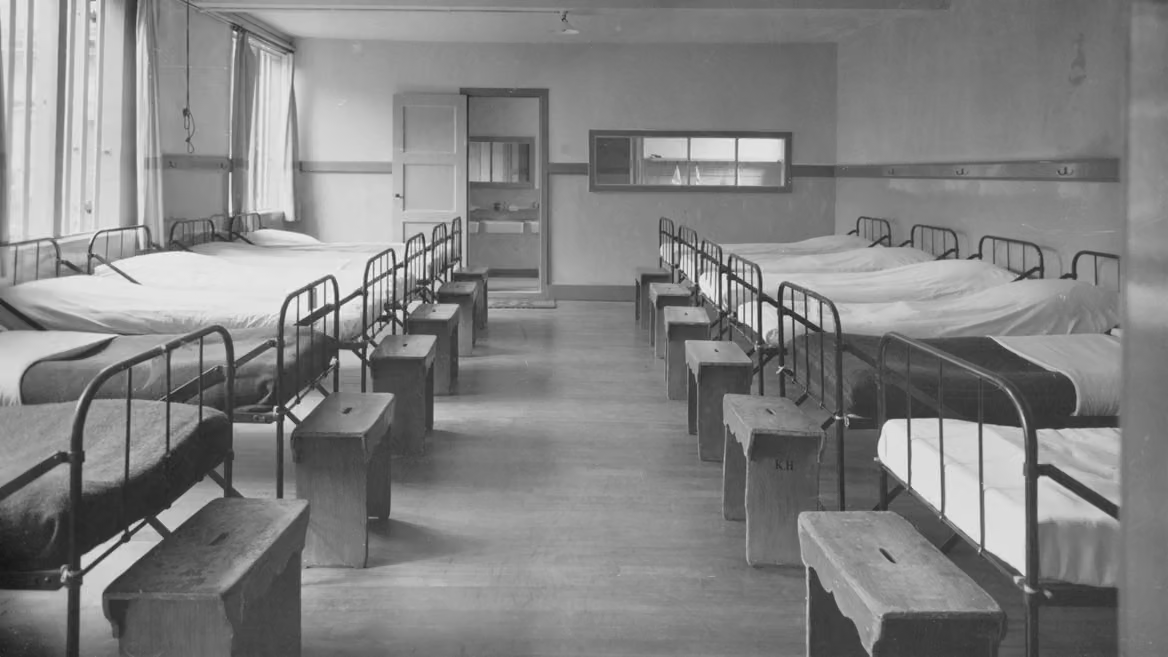
Was your child, or were you, abused or neglected in a residential treatment center? Tell us your story.
CBW Law reviews abuse and neglect claims involving residential treatment centers, psychiatric residential treatment facilities and similar programs. Tell Us Your Story. Contacting us does not create an attorney-client relationship.
Residential treatment centers house young people and adults for weeks or months while providing mental health or behavioral treatment. Families are often told the program is a last resort, and residents often have little contact with the outside world. Residential treatment facility abuse claims ask whether the program kept residents safe, used restraint and seclusion only as the law allows, gave medicines properly and reported serious incidents. A residential treatment abuse lawyer looks at the program's records and its oversight history.
What federal reviews have found
In 2024 testimony, the U.S. Government Accountability Office said state and local agencies are largely responsible for preventing abuse and neglect in youth residential facilities, and that incidents continue1. GAO pointed to challenges including monitoring youth placed out of state, inappropriate psychotropic prescribing and staff injuring youth during restraint1. That testimony drew mainly on earlier GAO work rather than new data.
Programs differ widely. Some are licensed psychiatric facilities that bill Medicaid; others are private programs with lighter oversight. The type of program shapes the rules that apply.
Forms of abuse and neglect
- Physical abuse by staff, including hitting, choking or throwing residents
- Restraint or seclusion used for discipline or convenience
- Sexual abuse by staff or other residents
- Withholding food, sleep, bathroom access or family contact as punishment
- Overmedication or medicine used to control behavior
- Ignoring medical complaints or injuries
- Harm from other residents because of poor supervision
- Humiliation, threats and isolation
Sexual abuse in youth placements is also covered on Foster Care & Group Home Sexual Abuse.
Restraint, seclusion and incident reporting
For psychiatric residential treatment facilities serving people under 21, federal Medicaid rules say residents have a right to be free from restraint or seclusion used for coercion, discipline, convenience or retaliation, and allow it only to ensure safety during an emergency2. Those rules require a face-to-face assessment within one hour and require facilities to report serious occurrences, including a death, a serious injury or a suicide attempt, to the state Medicaid agency and the state protection and advocacy system, and to notify parents or guardians within 24 hours2.
Not every residential program is covered by those federal rules. State licensing rules fill much of the gap. For injuries from holds and isolation, see Physical Restraint & Seclusion Injuries.
Who may be responsible
- The program and its parent or management company
- Staff members and supervisors
- Medical and psychiatric providers who worked there
- Transport companies hired to move a young person to the program
- Placing agencies, depending on state law and the facts
Former residents and adult survivors
Many people come forward years later. Deadlines for claims that began in childhood are often longer, and some states have special rules for childhood sexual abuse. A residential treatment abuse attorney can check what applies now.
Filing deadlines for a residential treatment facility abuse lawsuit
Deadlines depend on the state, the type of defendant and when the injury was discovered. Examples:
- Arizona: generally two years for personal injury and wrongful death3, and claims against a public entity or public employee must first be filed within 180 days4 Claims against licensed health care professionals also need a certification about expert testimony early in the case5.
- California: two years for injury or death caused by another's wrongful act or neglect6. Separate, shorter rules can apply to claims against health care providers and public agencies.
- New York: three years for most personal injury claims7; two years and six months for medical malpractice, measured from the act or the end of continuous treatment for the same condition8; and a notice of claim within 90 days for most claims against a public entity9.
- Texas: two years for personal injury and wrongful death10. Claims against health care providers follow their own statute with added requirements.
Rules for children, people who lacked capacity and wrongful death claims can differ. Ask a residential treatment abuse attorney to check the deadlines for your state early, while records still exist.
Records that help a review
Records worth gathering
Program
- Enrollment contract and handbook
- Treatment plans and progress reports
- Incident or restraint reports
Medical
- Medicine records
- Outside medical records
- Photos of injuries
Family
- Letters, emails and call logs
- Bills and payment records
- Notes of what your child said
What happens after you contact CBW Law
How a review works
-
Tell us what happened
Tell us the program name, the dates and what happened. You do not need records first.
-
We look at the program
We check licensing, ownership and oversight records that are public.
-
We gather records
With your permission, we request treatment, facility and billing records from the places involved.
-
We explain what we see
We tell you what the records show, what questions remain and what options may be open, including deadlines.
Treatment does not include abuse, and safety is not optional.
Plain English
Medical, Health & Insurance
Terms you may see in residential treatment records.
Program terms
- PRTF
- Psychiatric residential treatment facility: a non-hospital facility providing inpatient psychiatric care to people under 212.
- Serious occurrence
- A death, serious injury or suicide attempt that must be reported under federal PRTF rules2.
- Level system
- A points or privileges system some programs use.
Medicine terms
- Psychotropic medicine
- A medicine that affects mood, thinking or behavior.
- Chemical restraint
- A drug used to control behavior rather than as standard treatment.
Questions
Residential treatment abuse lawsuit questions
Short answers to the questions people ask first.
What is a residential treatment facility abuse lawsuit?
A civil claim that a residential program or its staff abused or neglected a resident, or failed to keep the resident safe.
I was in a program years ago. Can I still bring a claim?
Possibly. Deadlines for childhood injuries are often longer. A residential treatment abuse lawyer can check your state.
Do waivers or arbitration agreements stop a claim?
Not always. They can matter, and a lawyer will read them closely.
Can the program be responsible for another resident's attack?
Sometimes, if supervision or placement decisions fell short.
What if the program was out of state?
Claims can be brought, but which state's law applies can change the deadline and the rules.
Do I need a police report?
No. You can report if you choose, but it is not required for a review.
How long do I have to file?
It depends on the state, the resident's age and the type of claim.
What does it cost to contact CBW Law?
Telling us your story costs nothing, and contacting us does not create an attorney-client relationship.
Tell Us Your Story
If you or your child was abused or neglected in a residential treatment program, a residential treatment abuse attorney can review what happened.
Tell us what happened. CBW Law will review your information and explain what we see. Submitting information does not establish an attorney-client relationship or guarantee representation.
Tell Us Your Story Call (800) 476-2416
This page is general information about residential treatment abuse claims. It is not legal advice and does not create an attorney-client relationship. If someone is in danger, call 911, or call or text 988 in a mental health crisis. Federal reports describe patterns, not the facts of any one program. Laws and deadlines differ by state, and no outcome can be promised.