Case type Defective Medical Devices
Insulin Pump & Glucose Monitor Failures
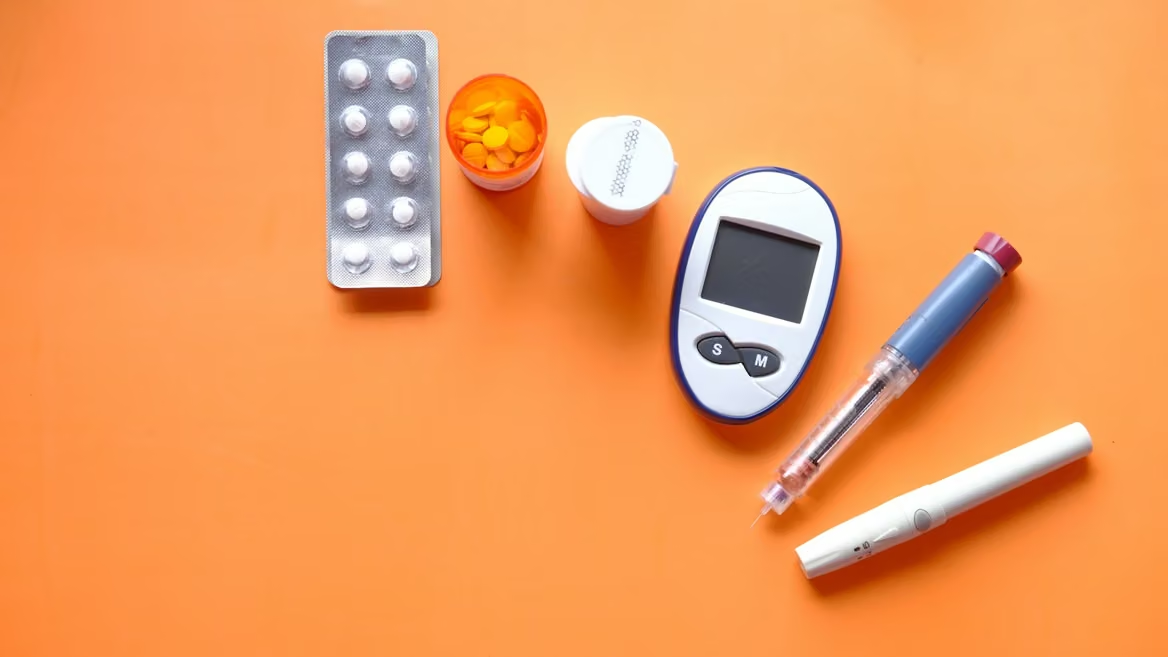
Hospitalized after an insulin pump, pod or software problem? Tell us your story.
CBW Law reviews claims from people hurt after an insulin pump, pod, infusion set or dosing software failed. Tell Us Your Story. Contacting us does not create an attorney-client relationship.
Insulin pumps and automated systems deliver insulin around the clock, so a leak, a stopped pump or a software error can quickly lead to dangerous blood sugar. The FDA has posted serious recalls for Omnipod Pods and Tandem pumps and software. A claim depends on tracing the device problem to the medical event that followed. An insulin pump lawyer starts with the device data.
Pumps, sensors and the systems that connect them
An insulin pump delivers insulin through a small tube or a wearable pod. A continuous glucose monitor (CGM) measures glucose with a sensor and sends readings to a phone, receiver or pump. In automated systems, pump software uses CGM readings to adjust insulin. That means a problem can start in several places:
- The pump or pod that delivers insulin
- The infusion set or cannula that carries insulin into the body
- The CGM sensor that measures glucose
- The software or app that decides how much insulin to give
- The connection between devices
This page focuses on insulin delivery and automated systems. Recalls of glucose meters, sensors and receivers are covered on our glucose monitor recall page.
Recent insulin pump recalls
The FDA has posted several serious recalls and corrections for insulin pumps. Each covers specific products, lots or software versions:
Omnipod Pods
Insulet recalled Pods from certain lots used with the Omnipod 5, Omnipod DASH and original Omnipod systems because a small tear in the cannula, just above the skin, could let insulin leak outside the Pod instead of entering the body. A user might notice wetness or the smell of insulin, but the leak can go unnoticed1. In a separate recall, certain Omnipod 5 Pods could have a tear in internal tubing that lets insulin leak inside the Pod. Under-delivery can cause high blood glucose and, in the most severe cases, diabetic ketoacidosis (DKA)2.
Tandem t:slim X2
Tandem corrected certain t:slim X2 pumps because a speaker wiring problem can trigger an error called Malfunction 16, which stops insulin delivery and the real-time display of CGM readings. The FDA notice reports 59 injuries and no deaths. Users were told to keep using the pump with added precautions and to switch to another insulin method if the error occurs3.
Tandem software issues
In 2025, Tandem recalled software version 7.9 used with Control-IQ+ technology on t:slim X2 and Mobi pumps. When a CGM reading was above 255 mg/dL at the start or end of a gap in sensor data, the software could misread the glucose trend and under- or over-deliver insulin, risking severe low or high blood sugar. Customers were told to turn off Control-IQ+ until it was fixed4. Separately, certain Tandem Mobi software versions could falsely detect a vibration motor failure (Malfunction 12); the fix is a software update and a backup insulin plan5.
| Product | Problem | What it can cause |
|---|---|---|
| Omnipod Pods (certain lots) | Tear in the cannula1 | Insulin leaks outside; under-delivery |
| Omnipod 5 Pods (certain lots) | Tear in internal tubing2 | High glucose; DKA in severe cases |
| t:slim X2 (certain serials) | Speaker wiring, Malfunction 163 | Insulin delivery stops |
| t:slim X2 / Mobi, software 7.9 with Control-IQ+ | Trend misread around CGM gaps4 | Under- or over-delivery |
Tracing the chain of events
An insulin device claim depends on connecting the device problem to a medical event. A review tries to rebuild the sequence:
From device problem to injury
-
The device event
A leak, a stopped pump, a missed alarm, a lost connection or a software error.
-
The insulin effect
Too little or too much insulin was delivered, or a reading led to the wrong decision.
-
The medical event
High or low blood sugar, DKA, a seizure, a fall or a crash.
-
The treatment
Emergency care, hospital stay and recovery.
Device data downloads, alarm history, phone app records and emergency records help show each step. Not every high or low reading comes from a device defect; illness, food, activity, insulin storage and site problems also affect glucose.
Who may have an insulin pump claim
- DKA or severe high blood sugar after a pump, pod or software problem
- Severe low blood sugar after over-delivery
- Emergency care or a hospital stay tied to a device malfunction
- A device from a recalled lot, serial range or software version
- Records or data showing the device event
Who may be responsible
An investigation may look at the maker of the pump, pod, infusion set, sensor or software involved, based on the recall and device data. In connected systems, more than one company may be involved.
Filing deadlines for insulin pump lawsuits
Deadlines depend on your state and on when you learned of the problem and its possible cause. Examples:
- Arizona: generally two years for personal injury and wrongful death6.
- California: two years for injury to or death of a person caused by another's wrongful act or neglect7.
- New York: three years for personal injury8, with a separate rule that runs from discovery for injuries caused by the latent effects of exposure to a substance in the body9.
- Texas: two years for personal injury and wrongful death10, and most product liability claims must be brought within 15 years of the product's sale11.
When the clock starts can depend on when a person knew, or should have known, about the injury and its possible cause. Rules for minors, wrongful death and claims against public hospitals can differ. A device that was part of an earlier settlement can raise its own questions. Ask a medical device attorney to check the rules for your state early, before records are lost.
Records that help an insulin pump review
Records worth gathering
Device
- Pump model and serial number
- Pod or infusion set lot numbers
- Software or app version
Data
- Pump and CGM downloads
- Alarm and error history
- Screenshots you already have
Care
- Emergency and hospital records
- Lab results, such as ketones
- Replacement or recall letters
What happens after you contact CBW Law
How a review works
-
Tell us what happened
Share what you remember about the pump, the problem and the treatment that followed. You do not need every record first.
-
We identify the device
We work to confirm the maker, model and lot or serial number, and whether any recall or safety notice covers it.
-
We gather records
With your permission, we request operative reports, imaging, device data and other records from your providers.
-
We explain what we see
We tell you what the records show, what questions remain and what options may be open, including deadlines.
Diabetes is hard to manage even when every device works. A claim depends on connecting a device problem to what happened.
Plain English
Medical, Health & Insurance
Terms you may see in an insulin pump case.
Device terms
- Pod
- A tubeless pump worn on the body.
- Cannula
- The small tube that carries insulin under the skin.
- Automated insulin delivery
- Software that adjusts insulin based on CGM readings.
Health terms
- Hyperglycemia
- High blood sugar.
- Hypoglycemia
- Low blood sugar.
- DKA
- Diabetic ketoacidosis, a serious result of too little insulin2.
Data
- Device download
- A report pulled from a pump, CGM or app.
Questions
Insulin pump lawsuit questions
Short answers to the questions people ask first.
Was the pump or the sensor the problem?
That's one of the first questions in a review. Device data and alarm history usually help answer it.
Is a recalled pod enough for a claim?
Not by itself. An insulin pump lawyer looks for a medical event tied to the device problem.
What is DKA?
Diabetic ketoacidosis, a serious condition that can develop when the body doesn't get enough insulin.
Should I stop using my pump because of a recall?
Follow the FDA notice and your diabetes team. Some notices say to keep using the pump with precautions.
Did my pump alarm?
Pump and app records often show alarms. Keep the data you have.
Is my glucose monitor recall covered here?
Monitor recalls are covered on our glucose monitor recall page. This page focuses on insulin delivery.
Do I need an insulin pump attorney if I was hospitalized?
If a device problem may have led to your hospital stay, an insulin pump attorney can review your records.
How long do I have to file an insulin pump lawsuit?
It depends on your state and on when you learned of the problem and its possible cause.
What records matter most?
Device downloads, lot numbers, software versions and emergency records.
What does it cost to contact CBW Law?
Telling us your story costs nothing, and contacting us does not create an attorney-client relationship.
Tell Us Your Story
If an insulin pump or dosing system failed and you were hurt, an insulin pump attorney can review what happened.
Tell us what happened. CBW Law will review your information and explain what we see. Submitting information does not establish an attorney-client relationship or guarantee representation.
Tell Us Your Story Call (800) 476-2416
This page is general information about insulin pump failures. It is not legal or medical advice and does not create an attorney-client relationship. A recall or a high or low reading does not, by itself, establish that a device was defective or that anyone is legally responsible. Never change doses or settings, or stop therapy, without your diabetes team's advice. Laws and deadlines differ by state, and no outcome can be promised.