Case type Defective Medical Devices
Hip Implant Failure
Needed hip revision surgery sooner than expected? Tell us your story.
CBW Law reviews claims from people whose hip implants wore out early, shed metal debris or had to be replaced. Tell Us Your Story. Contacting us does not create an attorney-client relationship.
Hip replacements are meant to last many years, but some fail early. Metal-on-metal hips can release debris that damages bone and tissue. Some plastic liners have worn out early, including Exactech parts packed in defective bags. Failure often means revision surgery and a long recovery. A hip implant lawyer looks at which part failed and why.
The parts of a hip implant
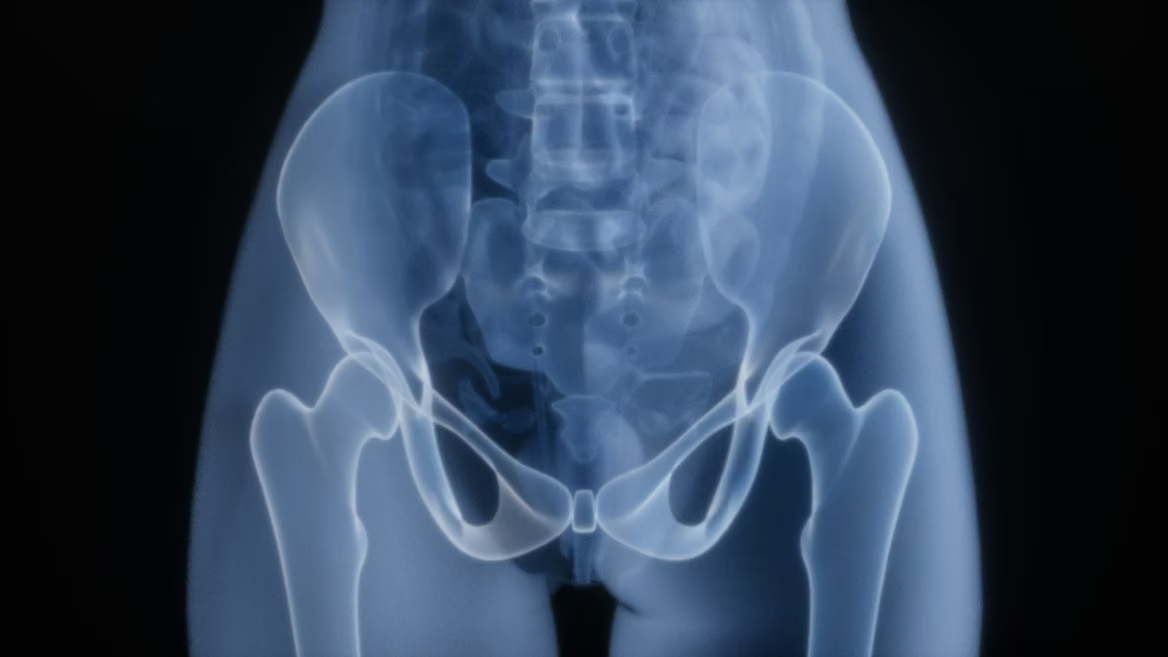
A total hip replacement is not one piece. It usually has a stem that goes into the thigh bone, a ball (the femoral head) on top of the stem, a cup set into the pelvis and often a liner inside the cup. Many systems are modular, so the ball, liner and stem may come from different product lines or even different makers. A claim is about a specific component, which is why the implant record listing every part matters.
Hip implants are described by what rubs together: metal-on-metal, metal-on-plastic (polyethylene), ceramic-on-plastic or ceramic-on-ceramic. Each combination wears differently, and a problem with one doesn't apply to the others.
Metal-on-metal hip implants
In a metal-on-metal hip, the ball and cup are both metal. As they rub, they release tiny particles, and wear and corrosion can also happen where the metal ball meets the stem. Some metal ions, such as cobalt and chromium, enter the bloodstream. The FDA says there is no way to completely avoid this, and that it's not possible to predict who will react, how, when or how severely1.
Over time, metal particles can damage the bone and soft tissue around some implants. Doctors call this an adverse local tissue reaction, or more broadly an adverse reaction to metal debris. Tissue damage can lead to pain, loosening, implant failure and revision surgery to replace the hip. The FDA notes that surgeons may consider earlier revision for a progressing reaction to prevent extensive damage to bone, muscle and nerves1.
Polyethylene wear and the Exactech recall
Many hips use a plastic (polyethylene) liner. Exactech recalled devices made between 2004 and August 2021 that were packed in bags missing one of their oxygen barrier layers. Oxygen reaching the plastic before implantation can cause oxidation, which can lead to early and excessive wear, cracking or fracture of components, bone loss and revision surgery2.
For hips, Exactech recalled some GXL liners for its Novation, Acumatch and MCS systems in June 2021 for excessive and premature wear, when the root cause was unknown; the FDA classified that recall as Class II on July 22, 2021. In August 2022, the recall expanded to all Exactech hip devices with polyethylene parts in the defective bags, classified as Class II on Sept. 9, 20222.
The FDA does not recommend surgery to remove a well-functioning Exactech device in someone without symptoms. It advises contacting a provider for new or worsening pain, swelling, inability to bear weight, grinding or other noise, or weakness around the implant2.
Hip implant litigation
Several groups of federal hip implant cases have been coordinated in multidistrict litigation. The JPML's Nov. 2, 2026 report lists these hip MDLs and Exactech's polyethylene MDL3:
| MDL | Court | Pending | Total |
|---|---|---|---|
| No. 3044, Exactech polyethylene orthopedic products | E.D.N.Y. | 1,838 | 1,847 |
| No. 2197, DePuy ASR hip | N.D. Ohio | 103 | 10,455 |
| No. 2768, Stryker LFIT V40 femoral head | D. Mass. | 47 | 1,240 |
| No. 2441, Stryker Rejuvenate and ABG II | D. Minn. | 6 | 3,639 |
| No. 2859, Zimmer M/L Taper | S.D.N.Y. | 2 | 333 |
Large totals with few pending cases usually mean most cases were resolved or closed. That doesn't tell you whether a new claim is possible, which depends on the product, the dates, any settlement terms and the state. If a manufacturer is in bankruptcy, claims may have to go through a special process with its own deadlines.
Who may have a hip implant claim
- Revision surgery earlier than expected, with findings about the implant
- Metal debris damage to tissue or bone, documented by imaging or at surgery
- Early polyethylene wear, cracking or loosening of a recalled component
- Dislocation or fracture of a component
- Lasting limits on walking, work or daily activity after a failed implant
Hips can fail for reasons other than a defect, including infection, falls, bone quality and how the parts were positioned. A review looks at which part failed and why.
Who may be responsible
An investigation may look at the maker of each component involved, based on recalls, labeling and the failure found at revision. Surgical choices and technique are reviewed separately under medical malpractice rules.
Filing deadlines for hip implant lawsuits
Deadlines depend on your state and on when you learned of the failure and its possible cause. Examples:
- Arizona: generally two years for personal injury and wrongful death4.
- California: two years for injury to or death of a person caused by another's wrongful act or neglect5.
- New York: three years for personal injury6, with a separate rule that runs from discovery for injuries caused by the latent effects of exposure to a substance in the body7.
- Texas: two years for personal injury and wrongful death8, and most product liability claims must be brought within 15 years of the product's sale9.
When the clock starts can depend on when a person knew, or should have known, about the injury and its possible cause. Rules for minors, wrongful death and claims against public hospitals can differ. A device that was part of an earlier settlement can raise its own questions. Ask a medical device attorney to check the rules for your state early, before records are lost.
Records that help a hip implant review
Records worth gathering
Implant record
- Labels for the cup, liner, head and stem
- Lot and serial numbers
- Date of the first surgery
Failure
- X-rays, MRI or CT
- Metal ion test results, if done
- Revision operative report and pathology
Recall papers
- Exactech or other recall letters
- Notes from your surgeon about the recall
What happens after you contact CBW Law
How a review works
-
Tell us what happened
Share what you remember about the hip implant, the problem and the treatment that followed. You do not need every record first.
-
We identify the device
We work to confirm the maker, model and lot or serial number, and whether any recall or safety notice covers it.
-
We gather records
With your permission, we request operative reports, imaging, device data and other records from your providers.
-
We explain what we see
We tell you what the records show, what questions remain and what options may be open, including deadlines.
A revision surgery does not by itself prove a defect. The question is which component failed, how, and why.
Plain English
Medical, Health & Insurance
Terms you may see in a hip implant case.
Implant parts
- Femoral head
- The ball of a hip implant.
- Acetabular cup
- The socket part set into the pelvis.
- Liner
- The layer inside the cup that the ball moves against, often polyethylene.
Problems
Treatment
- Revision surgery
- An operation to remove and replace a failed implant or part of it.
Questions
Hip implant lawsuit questions
Short answers to the questions people ask first.
Are all hip implants metal-on-metal?
No. Many use plastic or ceramic parts. Each type wears differently.
Does a high metal-ion test prove my hip failed?
Not by itself. Doctors use it alongside symptoms, imaging and surgical findings.
Does needing a revision mean my implant was defective?
Not necessarily. Hips can fail for many reasons. A hip implant lawyer looks at what the revision found.
Should I have my Exactech hip removed?
The FDA does not recommend removing a well-functioning Exactech device in someone without symptoms. Talk to your surgeon.
How do I know which parts I have?
The operative report and implant stickers list each component. We can help request them.
Is there a hip implant class action?
Federal hip cases have been coordinated in multidistrict litigation, which handles individual cases together. It is not a class action.
What if the manufacturer is in bankruptcy?
Claims may need to go through a bankruptcy claims process with its own deadlines. A hip implant attorney has to check current court records.
How long do I have to file a hip implant lawsuit?
It depends on your state and on when you learned about the failure and its possible cause.
Can I still bring a claim if my revision was years ago?
Possibly, depending on your state's rules. Bring the dates to your review.
What does it cost to contact CBW Law?
Telling us your story costs nothing, and contacting us does not create an attorney-client relationship.
Tell Us Your Story
If your hip implant failed early, a hip implant attorney can review what happened.
Tell us what happened. CBW Law will review your information and explain what we see. Submitting information does not establish an attorney-client relationship or guarantee representation.
Tell Us Your Story Call (800) 476-2416
This page is general information about hip implant failure. It is not legal or medical advice and does not create an attorney-client relationship. A revision surgery, a recall or a test result does not, by itself, establish that an implant was defective or that anyone is legally responsible. Talk to your surgeon before any decision about your implant. Laws and deadlines differ by state, and no outcome can be promised.